
 Français
 Español
 Deutsch
 Italiano
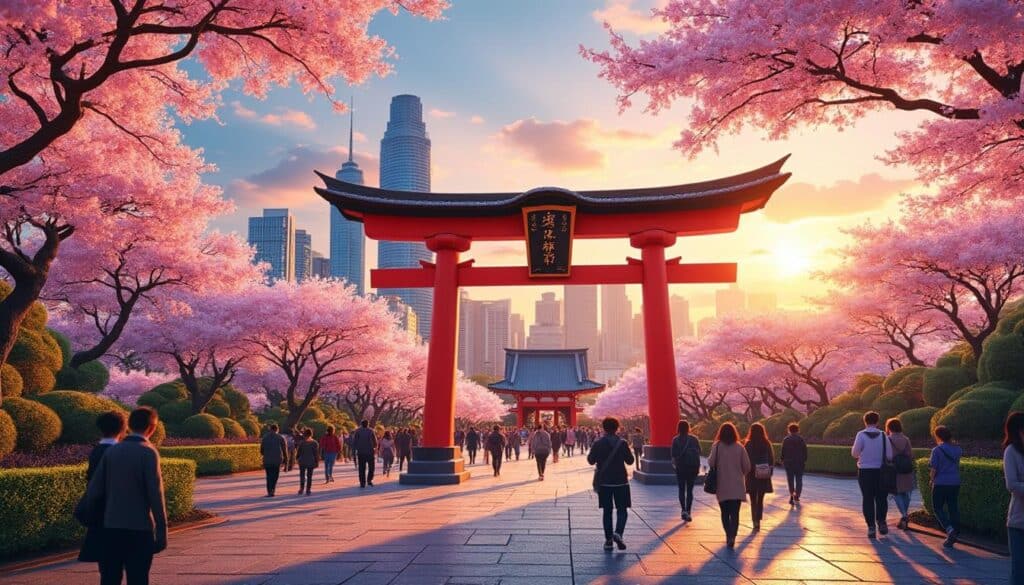
Exploring the transformation of Chiba over centuries is like delving into a rich tapestry of history, showcasing a journey from its archaic origins to its modern incarnation. Known today as Chiba City, nestled on Japan’s eastern Kanto region and adjacent to Tokyo Bay, this vibrant city stands as a vital hub of cultural and economic activity. But before it earned its current name, Chiba had a different identity, shaped by historical events, influential figures, and evolving cultural dynamics. In this article, we embark on a captivating exploration of Chiba’s former name, uncovering the stories and transformations that have defined this remarkable city.
The Ancient Origins of Chiba: Birth of a Name
The name “Chiba,” consisting of the kanji characters 千 (sen, meaning “thousand”) and 葉 (yo, meaning “leaves”), first emerged during the Heian period. During this era, a notable warrior named Taira Tsuneshige moved to the region and established his influence. He titled himself Chiba Tsuneshige, marking the earliest recorded reference to the name.
The name “Chiba” began its journey as a kuni no miyatsuko, or regional command office, designated as “Chiha no Kuni no Miyatsuko” in ancient documents. It wasn’t just a name; it was a mark of power and authority for the ruling clans, particularly the Chiba clan, a branch of the powerful Taira lineage. This title symbolized their dominion over the territory, showcasing the region’s growing regional importance.
Several records and historical documents have been critical in tracing Chiba’s journey through history, such as the Man’yōshū, a book of classical Japanese poetry dating back to the 8th century. Chiba is believed to have been depicted in these poems, emphasizing its historic status.
A fascinating aspect of Chiba’s past lies in its strategic position. The area developed into a jōkamachi (castle town), further cementing its significance during the feudal eras. The Chiba clan, particularly under leaders such as Chiba Tsunetane, collaborated with Minamoto no Yoritomo to establish the Kamakura Shogunate, underscoring Chiba’s reach and influence across Japan. But as history progressed, Chiba’s identity fluctuated, subject to the control of different clans and actors.
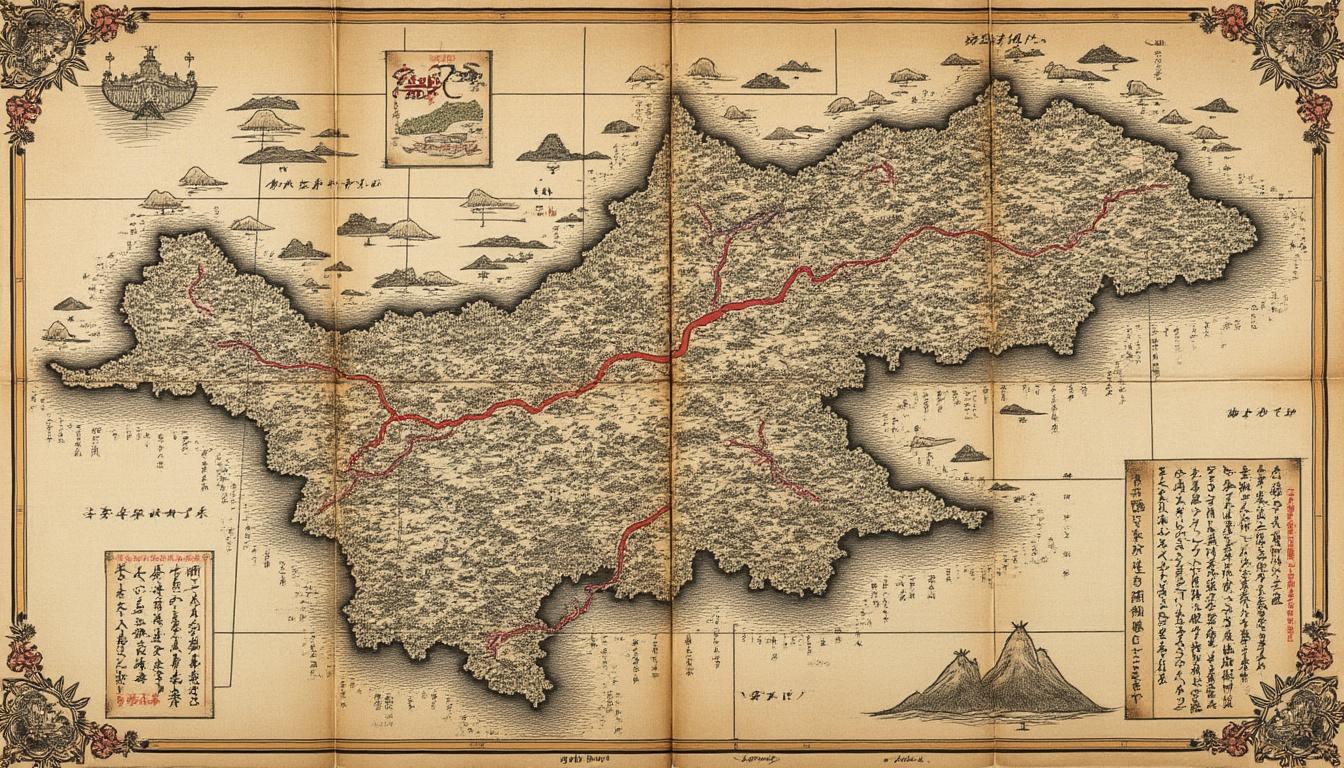
The Historical Significance of Chiba: Clans and Conflicts
In the medieval era, Chiba stood as a battleground and a seat of power for several influential clans. The Chiba clan’s influence peaked during the late Heian and Kamakura periods, bringing growth and prosperity to the region. But the tides of power were fickle. Eventually, during the Nanboku-chō period and the Muromachi period, the Chiba clan’s dominance waned. The emerging Hara clan constructed the Inohana Castle, becoming the new power brokers in the region. They reshaped Chiba’s legacy, linking their name with the city’s evolving identity.
Relationship dynamics between clans were complex. Alliances shifted frequently, driven by both political aspirations and territorial ambitions. Chiba’s unique geographical location served as a crossroads in the struggle for dominance throughout the Kanto region. This period of fluctuating power struggles and dynamic leadership led to significant developments in Chiba’s infrastructure and cultural landscape.
Testaments to Time: Chiba’s Historical Structures
Despite wars and conflict, many structures built by various clans underlie modern-day Chiba. These historical monuments act as silent sentinels, offering glimpses into the city’s storied past. While some structures have been lost to time, others have been preserved or reconstructed, maintaining Chiba’s rich historical tapestry.
Among notable attractions is the Kasori Shell Midden, known as the world’s largest shell mound. This fascinating archaeological site offers an intriguing window into prehistoric life in Chiba, showcasing how inhabitants interacted with their environment.
The Evolution of Chiba Through Modern Times
Fast forward to the late 19th century, after the Meiji Restoration, and Chiba underwent significant administrative changes. The formation of the Chiba Prefecture in 1873 solidified Chiba’s presence as a pivotal administrative region. The name “Chiba” was officially adopted for the whole prefecture, uniting the region’s historical legacy with its future pathway.
This evolution brought with it increased infrastructure development, political reforms, and burgeoning commercial activity. With the establishment of the Sobu Main Line railway, Chiba Town gained notoriety as a hub for trade and movement, propelling its growth into a significant political, business, and cultural center in the region.
On January 1, 1921, Chiba City was officially created, integrating several smaller villages and towns over time. This administrative consolidation brought diverse communities together beneath a unified identity. Post-World War II, Chiba experienced yet another transformation. Following near-total destruction from bombings in 1945, the city underwent rapid reconstruction, emerging as a vital component of the Keiyō Industrial Zone. The growth stemmed largely from land reclamation projects, expanding Chiba’s physical landscape and industrial capabilities.
Chiba’s population continued to swell, with the advent of urbanization further transforming the city’s character. Following historical growth patterns, the city’s population nearly tripled from its founding in 1921 to approximately 980,000 residents in 2019, according to official statistics.
Modern Chiba: A Hub of Culture and Commerce
Today, Chiba stands as a beacon of modernity and tradition intertwined. It is a vibrant seaport city and an important industrial player within the Kantō region. Notable attractions such as the Chiba Marine Stadium, home of the beloved Chiba Lotte Marines, remain firmly embedded in the region’s cultural and recreational life.
The significant Makuhari area has grown into a modern business district hosting the Makuhari Messe, a premier venue for international conventions. This area represents Chiba’s progressive side, showcasing its adaptability and global interconnectedness with events like the Sunrise Chiba in September.
Moreover, Chiba thrives as a popular destination for both local and international visitors, celebrated for its warm hospitality and blend of experiences. Whether exploring the city through its flavors with brunches in Chiba or delving into its natural significance, including Inage Beach—Japan’s first artificial beach—Chiba has established itself as a multi-faceted destination.
Chiba City maintains excellent transportation networks offering convenient access to and from major airports like Narita Airport and Tokyo International Airport, further accentuating its status as a globally connected city.
The Cultural Heritage Embedded in Chiba’s Name
Throughout Chiba’s evolution, its cultural heritage has remained an integral aspect of its identity. The significance of its name—symbolizing “thousand leaves”—underscores a deep connection to nature and the surrounding landscape.
The natural elements expressed within the kanji of Chiba resonate with the city’s treasured parks and green spaces. The famous Chiba Park, a cherished spot for residents and tourists alike, captures this spirit, offering serene environments amid the hustle of urban life.
Chiba’s identity is not merely confined to its name. It is also reflected through various cultural artifacts and practices, fostering an enduring legacy of creative expression and community-bonding events, such as the Chiba Valentine’s Day celebrations.
Cultural festivals and events highlight Chiba’s role as a cultural steward within Japan. The city draws numerous visitors to experience its unique blend of traditional and contemporary festivities, serving as a prominent cultural ambassador on both a national and international scale.
Connecting the Past with the Present: Chiba’s Global Links
Underpinning Chiba’s cultural richness are its connections with global communities. The city maintains sister-city relationships and friendship agreements with several international cities, facilitating the exchange of cultural, educational, and business experiences.
This extensive web of global connections reinforces Chiba’s status as a gateway to Japan and a bridge between tradition and modernity, fostering a holistic understanding of the city’s identity.
These relationships promote international cooperation and cultural understanding, enriching life in Chiba with diverse influences and shared knowledge.
Regenerating Chiba’s Legacy in the Future
Looking ahead, Chiba continues to navigate its role as a bustling metropolis while preserving its rich history. Environmental sustainability, urban development, and cultural preservation remain at the forefront of the city’s goals.
The recent focus on creating green architecture and enhancing current parks and amenities emphasizes a commitment to maintaining harmony between development and nature.
Further investment in infrastructure, especially in terms of enhancing public transportation systems, aims to support the continued growth and connectivity of Chiba within the region and beyond. Projects such as new developments around the Tokyo Bay area, linking Chiba with hubs like Kisarazu and Funabashi, highlight the ambition driving this growth.
Embracing innovation and technology, Chiba positions itself as an attractive destination for modern enterprises, balancing the draw of vibrant city life with the comforts of natural beauty.
FAQs
- 💡 What is the meaning behind the name “Chiba”? Chiba means “thousand leaves,” derived from the kanji characters 千 (thousand) and 葉 (leaves).
- 🔎 How has Chiba’s population changed over time? From its founding in 1921 to 2020, Chiba’s population has grown significantly, reaching nearly 980,000 citizens as of 2019.
- 🌍 What are some of Chiba’s sister cities? Chiba maintains sister-city relationships worldwide, promoting cultural exchange and international cooperation.
- 🏛️ What significant events shaped Chiba’s history? Key events include the formation of the Kamakura Shogunate, administrative changes post-Meiji Restoration, and reconstruction after World War II.
- 🌿 What natural attractions are present in Chiba? Chiba hosts notable sites such as Inage Beach and numerous parks, reflecting its connection to nature and cultural heritage.
In conclusion, the story of Chiba is defined by layers of history, cultural resilience, and future-forward development. As the city forges ahead into promising new horizons, it remains rooted in the enduring echoes of its storied past.
Does Chiba observe daylight savings time?
Understanding Timekeeping Practices in Chiba, Japan Chiba, a vibrant city located close to Tokyo, follows Japan Standard Time (JST), remaining consistently at UTC+9 throughout the year. Unlike many Western countries, Japan, including Chiba, does not observe Daylight Saving Time (DST).…
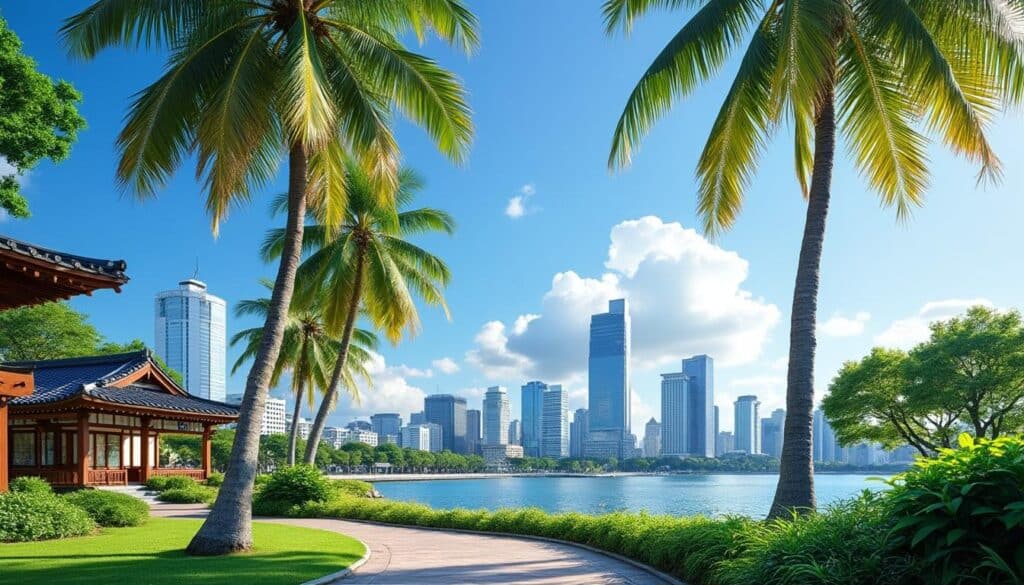
Palm Trees in Chiba: A Tropical Impression in a Japanese Prefecture Visitors to Chiba Prefecture might be surprised to discover the presence of palm trees lining certain streets and areas, injecting a tropical atmosphere into this diverse region of Japan.…
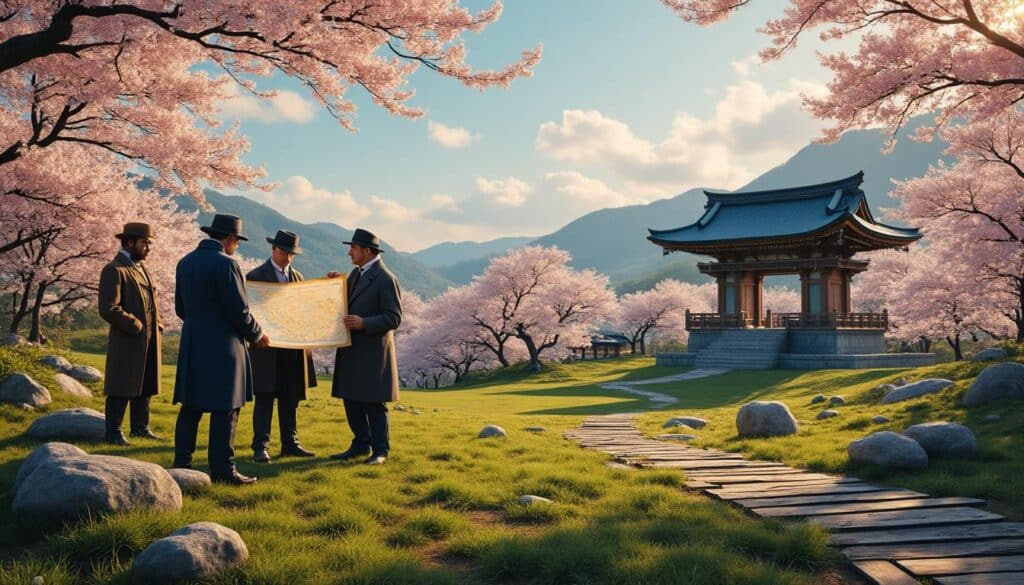
Ancient Beginnings: The Prehistoric Roots of Chiba Chiba Prefecture, located on Japan’s eastern coast, boasts an ancient history that dates back to prehistoric times. As the earliest societies began to settle, Chiba’s fertile lands and rich marine resources from the…
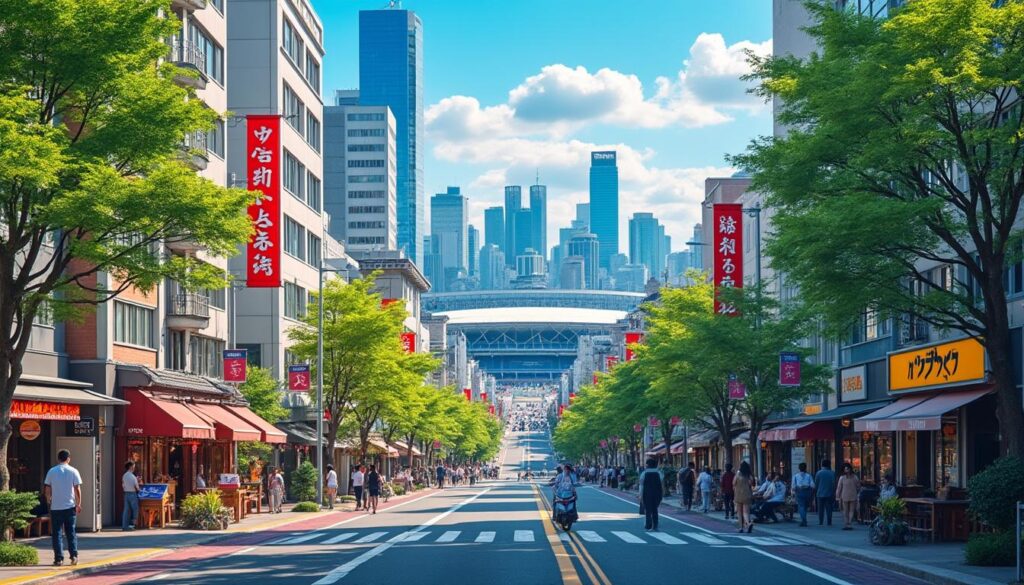
How long has Chiba been a city?
Chiba, a vibrant city located just east of Tokyo, has a rich history that dates back centuries. Known for its strategic location and significant contributions to Japan’s economic and cultural landscape, Chiba holds a unique place in Japan’s array of…
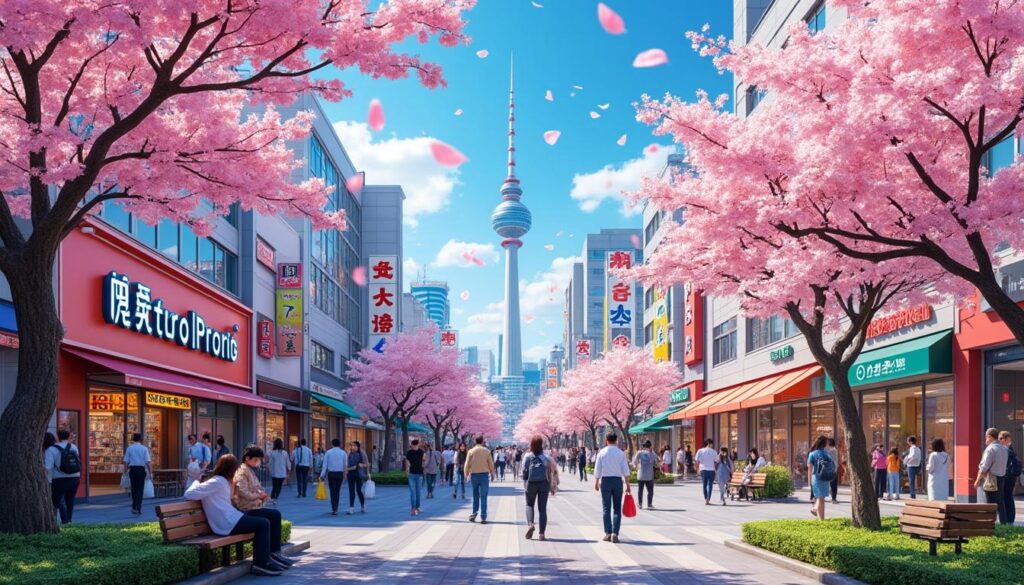
Chiba Prefecture, nestled conveniently east of Tokyo, is a destination renowned for its blend of urban sophistication, nostalgic history, lush landscapes, and proximal coastlines. While it stands as an undeniable gem in Japanese tourism, the question arises: is Chiba overrated?…
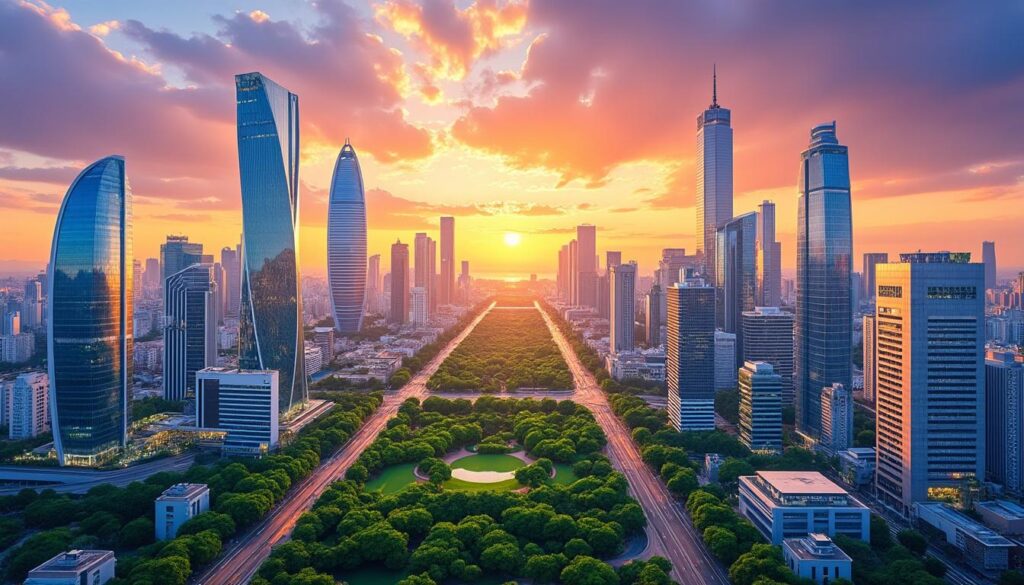
Are there skyscrapers in Chiba?
With its mesmerizing blend of modern and traditional architecture, Japan has always been at the forefront of architectural innovation. When one thinks of Japanese cities, Tokyo often springs to mind with its iconic skyline filled with towering buildings. However, another…
