
 Français
 Español
 Deutsch
 Italiano
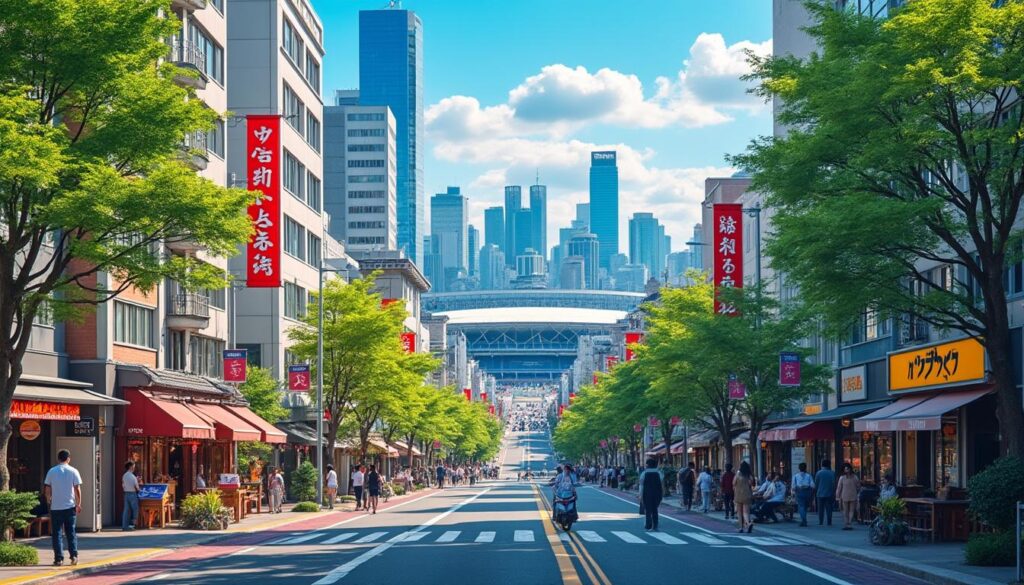
Chiba, a vibrant city located just east of Tokyo, has a rich history that dates back centuries. Known for its strategic location and significant contributions to Japan’s economic and cultural landscape, Chiba holds a unique place in Japan’s array of bustling cities. But how long has Chiba been officially recognized as a city, and how did it evolve over the years?
The Historical Roots of Chiba: From Ancient Settlement to Major City
Chiba’s earliest records trace back to the late Heian period, an era marked by the establishment of powerful clans and innovative cultural developments in Japan. During this period, a warrior named Taira Tsuneshige moved to the region and became the administrator of the Chiba District. He later adopted the name Chiba Tsuneshige, marking the beginning of the area’s political significance. His son, Chiba Tsunetane, played a pivotal role in the foundation of the Kamakura shogunate, evidencing the Chiba clan’s influence in the Kanto region.
The transition from a district to a notable town carried various challenges and milestones. The name “Chiba” is derived from two Japanese kanji characters – 千 (thousand) and 葉 (leaves), meaning “thousand leaves”. This name was initially used for a regional office and later adopted by the Chiba clan during the Heian period. This linguistic history reflects a deep cultural reverence for nature, a theme that resonates even today among the area’s inhabitants and its developmental ethos.
In the ensuing Nanboku-chō and Muromachi periods, the Chiba clan’s dominance waned, giving way to other influential clans such as the Hara clan, which constructed Inohana Castle as a testament to their power. However, Chiba continued to be an essential military and trading hub due to its strategic location.
It was not until the Edo period that Chiba became a bustling shukuba, or post-town, serving as a critical stopover for travelers. This established Chiba as a center for commerce and culture, laying the groundwork for its transition into a modern city. This continuous urban evolution highlights the dynamic nature of Japanese cities as they adapted to cultural and political shifts over centuries.
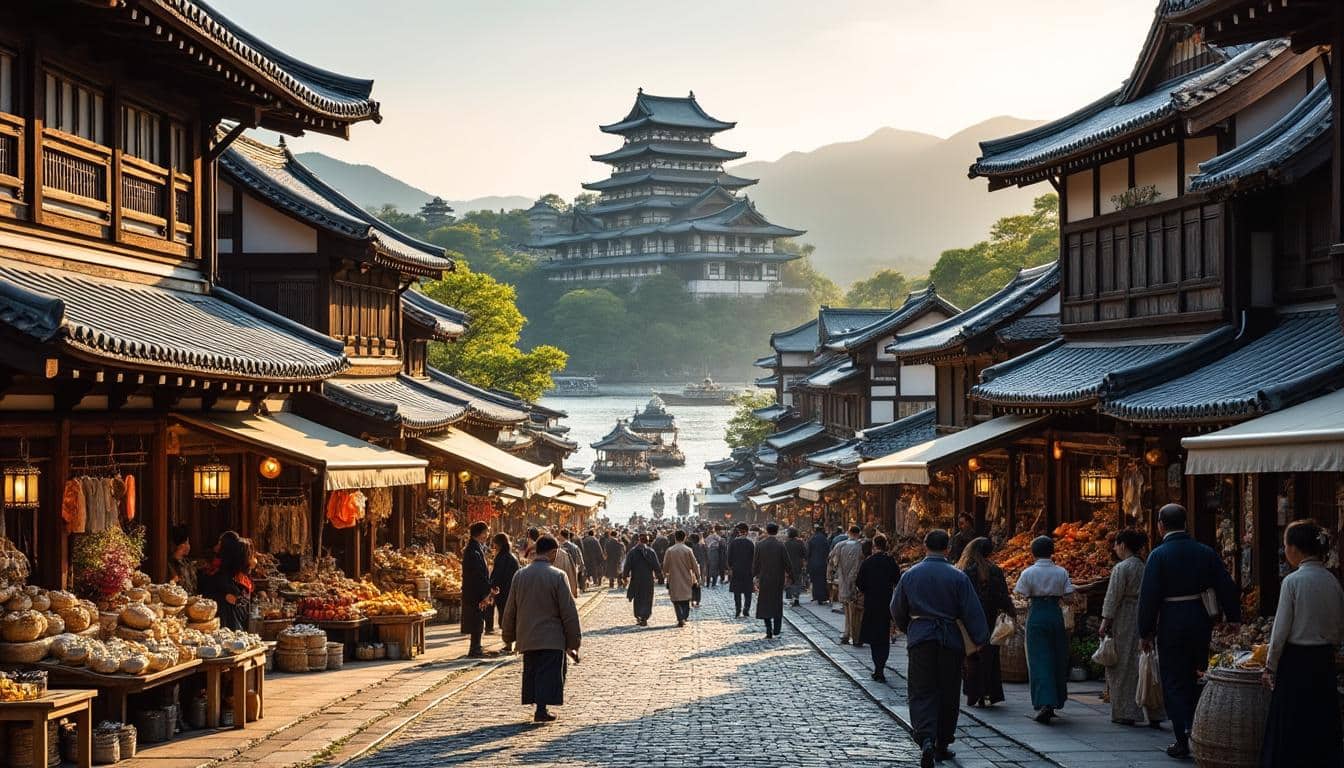
The Formation of Modern Chiba
The modern city’s foundation was set following the Meiji Restoration in 1868, a period of significant political, social, and industrial change in Japan. Chiba Town officially became the capital of the newly formed Chiba Prefecture in 1873, due to its advantageous central location. This decision was vital for the urban development strategies that shaped the city’s structure and services.
The introduction of the Sobu Main Line railway catalyzed Chiba’s expansion by facilitating transport and trade. The railway positioned Chiba as a critical political, business, and cultural hub within the prefecture, attracting residents and industries alike. During this time, Chiba experienced significant urban development that transformed it from a quaint post-town into a burgeoning cityscape equipped with modern amenities and infrastructure.
The official city incorporation occurred on January 1, 1921, when Chiba was formally recognized as Chiba City. This incorporation marked the beginning of an era characterized by substantial urban planning and municipal governance that guided the city through economic and industrial booms, as well as the trials of war and reconstruction. This was a key milestone in the city timeline, showcasing a robust transition from the past to a modern urban center.
Thus, with roots diving deep into ancient Japan and a narrative continually evolving to meet modern needs, Chiba exemplifies the dynamic journey of municipal status development within other Japanese cities.
Chiba’s Growth into an Urban Powerhouse
As the 20th century advanced, Chiba’s evolution from a defined city to a major economic hub in the Kanto region showcased its resilience and adaptability. The plans for expansion and urbanization faced challenges but were essential to cope with the rapidly increasing population and demands for modernization.
Chiba’s area now encompasses 271.77 square kilometers, serving as one of the pivotal seaports in the Kanto region. The establishment of Chiba Port was a major development, asserting its position as a significant trade gateway in Japan. This urban evolution was not just limited to economic advancement; it extended to cultural and educational advancements as well.
Several industrial and residential areas developed along the coast, introducing a blend of urban and natural spaces that now define Chiba’s cityscape. Within these spaces, Makuhari emerged as a key business district, featuring landmarks such as the renowned Makuhari Messe convention center. These modern developments were balanced by cultural sites like the Chiba Folk Museum, which offers insights into the rich history and traditions that shaped the city.
Chiba’s growth has been complemented by a sound transportation network, highlighted by the Chiba Urban Monorail — the world’s longest suspended monorail. It serves not only as an efficient transit system but as a symbol of technological prowess and modernity. This integration of advanced transport systems marked a significant milestone, making urban commuting more accessible to residents and visitors alike.
The enduring legacy of Chiba’s city history is visible in its continuous efforts to marry tradition with innovation, reflecting a broader narrative seen throughout Japanese cities.
City’s Strategic Urban Development
- 🛤️ Development of a robust transportation network including the Chiba Urban Monorail.
- 🌊 Expansion of Chiba Port and establishment as a pivotal seaport in the Kanto region.
- 🏢 Growth of business districts such as Makuhari, highlighting urban modernization.
- 🎓 Enrichment of cultural and educational facilities supporting diversified growth.
Through these initiatives, Chiba managed to position itself as a competitive urban center in Japan, underpinning its journey with innovative urban planning strategies.
Significance of Chiba’s Infrastructure and Economic Contributions
Chiba’s infrastructure development has been instrumental in bolstering its economic landscape. By harnessing its geographical position, Chiba has attracted numerous industries to set up along its coastal line. This strategic placement facilitates essential industrial operations, ensuring that Chiba remains integral to Japan’s broader economic framework.
These innovations were crucial given that Chiba was significantly damaged during World War II due to its pivotal role in manufacturing military goods. The rebuilding process post-war presented challenges, yet guided under a strategic urban development plan, Chiba emerged as a critical segment of the Keiyō Industrial Zone. This industrial zone now thrives as a center of innovation and economic growth.
A key component in Chiba’s post-war strategy was its dedication to improving public services and amenities. As well as developing a modern health care system, exemplified by major hospitals such as the Chiba University Hospital, Chiba sought to enrich its quality of life through both social and technological advances.
Furthermore, as highlighted by the implementation of efficient public transportation and comprehensive educational frameworks, Chiba managed to create an environment conducive to both resident satisfaction and economic dynamism.
Environmental and Sustainability Initiatives
In alignment with global trends and responsibilities, Chiba has prioritized sustainability in its urban planning and development. Initiatives focused on reducing carbon footprints and enhancing green spaces demonstrate a commitment to environmental stewardship.
- 🚗 Expansion of eco-friendly public transport options.
- 🌳 Creation and maintenance of urban green spaces for public recreation.
- 🔋 Promotion of sustainable industrial practices along the coastline.
- 🌍 Engagement with international green initiatives to foster global environmental ties.
These policies not only enhance the city’s livability but also position Chiba as a proactive participant in global sustainability efforts, attracting environmentally-conscious residents and industries.
Chiba’s Role in Japan’s Cultural and Educational Spheres
Chiba’s cultural milieu is a mosaic of traditional Japanese heritage and modern influences, defining its place on the national stage. The city hosts a plethora of cultural festivals, museums, and historical sites that cater to both local and international visitors.
The city is a melting pot for educational pursuits, home to multiple universities and research institutions. These institutions not only contribute to the local economy but also augment Chiba’s reputation as an educational hub within the Chiba Prefecture and beyond. The pursuits in education and culture are deeply intertwined, reflecting efforts to preserve historical roots while fostering progressive growth.
Prominent institutions like Chiba University and Kanda University of International Studies solidify this reputation, drawing students across Japan and worldwide, which in turn enhances the city’s cultural diversity.
Chiba also stands out for hosting a variety of international sports events, further amplifying its global presence. Noteworthy is its participation in fostering sports culture through professional teams and facilities, contributing to regional and national sporting endeavors.
Culinary and Recreational Attractions
Chiba offers a diverse range of culinary experiences, reflecting its rich cultural heritage and innovation in gastronomy. Traditional and contemporary dining establishments provide visitors with a taste of Japan’s famous culinary excellence. Coupled with recreational facilities like parks and beaches, these attractions enhance Chiba’s appeal as a destination for relaxation and leisure.
For those planning a visit, check out these must-see Chiba attractions: Must-see Chiba in 3 Days.
Chiba’s Demographic Trends and Future Prospects
Chiba has seen substantial demographic shifts over the decades, with its population experiencing both growth and diversification. As of 2025, its population is just over 983,000, reflecting a stable increase that underscores Chiba’s appeal as a residence of choice for both locals and internationals.
The population density, currently at approximately 3,617 people per square kilometer, highlights the city’s challenges and opportunities in urban planning. This demographic evolution has necessitated strategic investments in housing, infrastructure, and public services to maintain a high quality of life.
Future prospects for Chiba rest heavily on sustainable development strategies that accommodate this growth while ensuring economic vitality and cultural preservation. As Chiba continues to evolve, its strategies for housing, transport, and environmental sustainability will define its trajectory in Japan’s urban landscape drama.
Ensuring a Prosperous Future
Chiba’s future planning focuses on several key areas:
- 🌱 Adoption of smart city technologies to enhance urban living.
- 🏠 Development of sustainable housing projects to accommodate population growth.
- 🚌 Strengthening of public transport infrastructure to support a growing commuter base.
- 🛡️ Commitment to preserving cultural heritage amidst urban expansion.
How Chiba aligns itself within the broader narrative of Japanese cities and meets these goals will shape its footprint for generations to come.
For those visiting or planning to reside in Chiba, exploring transport options can facilitate a smoother experience. Check out Taking the Bus in Chiba or Main Airport Near Chiba for essential traveler information.
Now, let’s address some frequently asked questions for a deeper understanding of Chiba’s city dynamics.
- When was Chiba officially recognized as a city?
Chiba was officially recognized as a city on January 1, 1921. - What are some notable places in Chiba for visitors?
Visitors should check out the Chiba Zoological Park, Makuhari Messe, and the Kasori Shell Midden for a mix of natural, cultural, and historical experiences. - How does Chiba contribute to Japan’s economy?
Chiba is a significant economic hub thanks to its strategic seaport and blend of industries, making it an integral part of Japan’s economic landscape within the Keiyō Industrial Zone. - What are Chiba’s sustainable initiatives?
Chiba focuses on promoting eco-friendly transport, maintaining green spaces, and encouraging sustainable industrial practices as part of its environmental responsibility. - What educational opportunities does Chiba offer?
The city hosts various higher education institutions like Chiba University, providing extensive academic and research opportunities.
Does Chiba observe daylight savings time?
Understanding Timekeeping Practices in Chiba, Japan Chiba, a vibrant city located close to Tokyo, follows Japan Standard Time (JST), remaining consistently at UTC+9 throughout the year. Unlike many Western countries, Japan, including Chiba, does not observe Daylight Saving Time (DST).…
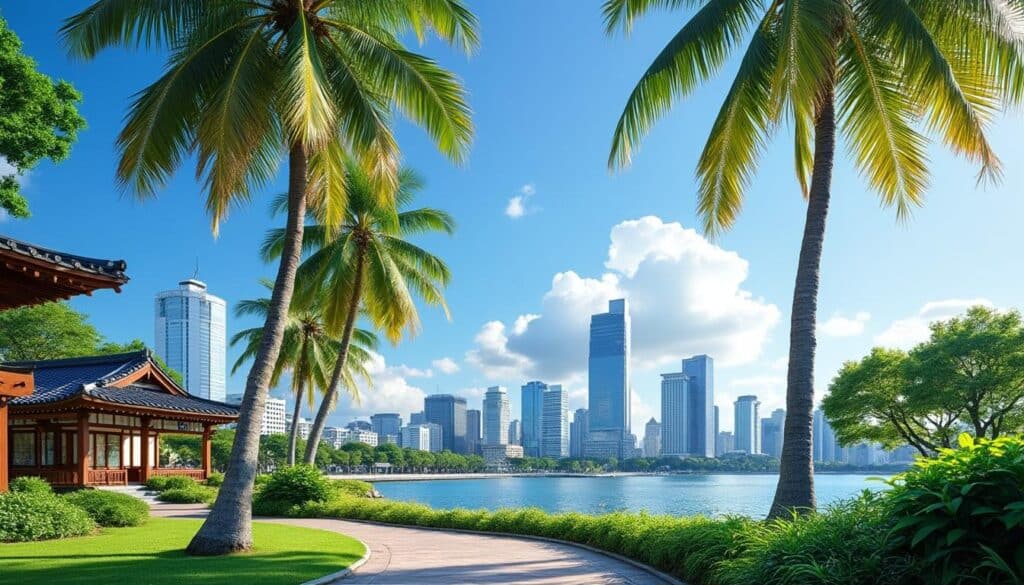
Palm Trees in Chiba: A Tropical Impression in a Japanese Prefecture Visitors to Chiba Prefecture might be surprised to discover the presence of palm trees lining certain streets and areas, injecting a tropical atmosphere into this diverse region of Japan.…

Ancient Beginnings: The Prehistoric Roots of Chiba Chiba Prefecture, located on Japan’s eastern coast, boasts an ancient history that dates back to prehistoric times. As the earliest societies began to settle, Chiba’s fertile lands and rich marine resources from the…
What was the former name of Chiba?
Exploring the transformation of Chiba over centuries is like delving into a rich tapestry of history, showcasing a journey from its archaic origins to its modern incarnation. Known today as Chiba City, nestled on Japan’s eastern Kanto region and adjacent…
Chiba Prefecture, nestled conveniently east of Tokyo, is a destination renowned for its blend of urban sophistication, nostalgic history, lush landscapes, and proximal coastlines. While it stands as an undeniable gem in Japanese tourism, the question arises: is Chiba overrated?…
Are there skyscrapers in Chiba?
With its mesmerizing blend of modern and traditional architecture, Japan has always been at the forefront of architectural innovation. When one thinks of Japanese cities, Tokyo often springs to mind with its iconic skyline filled with towering buildings. However, another…
