
 Français
 Español
 Deutsch
 Italiano
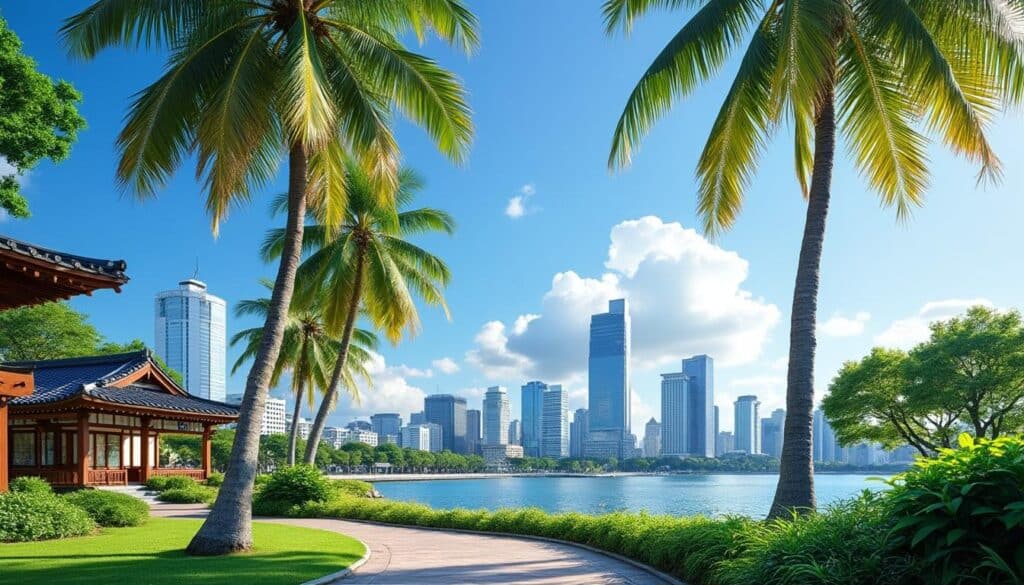
Palm Trees in Chiba: A Tropical Impression in a Japanese Prefecture
Visitors to Chiba Prefecture might be surprised to discover the presence of palm trees lining certain streets and areas, injecting a tropical atmosphere into this diverse region of Japan. Chiba, primarily noted for its proximity to Tokyo and the famous Tokyo Disneyland, has much more to offer than meets the eye. The coexistence of urban and rural landscapes provides a unique backdrop where palm trees contribute significantly to Chiba’s charm. This section will explore the types, distribution, and influence of palm trees within Chiba, delving deep into how they thrive in this climate.
The Types of Palm Trees Found in Chiba
One might wonder about the types of palm trees that are found in Chiba. Among the most predominant species is the Trachycarpus fortunei, also known as the Windmill Palm. Indigenous to parts of East Asia, this hardy species is known for its resilience to varying weather conditions, making it particularly suitable for the cooler environments found in Japan. Another notable species is the Livistona chinensis, commonly known as the Chinese Fan Palm, which is native to southern Japan and other parts of Southeast Asia.
These palms bring a sense of the Island Vibes to the coastal areas of Chiba, particularly around Sodegaura and other rural locales. The presence of these species underscores the diversity of Chiba Prefecture’s plant life, offering a soothing visual break amidst modern infrastructure.
Ecological and Cultural Integration of Palm Trees
Palm trees in Chiba also play a pivotal role from an ecological standpoint, contributing to the overall biodiversity. They serve as host plants for various local fauna and support the complex ecosystem within the region. Culturally, these trees are integrated into various local events and festivals, where they are often highlighted as symbols of endurance and exotic beauty. This cultural integration promotes a harmonious balance between nature and modernization — a key feature of Chiba’s identity.
Additionally, the strategic planting of palms in parks and along roads not only enhances aesthetic appeal but serves practical purposes, such as acting as windbreakers and providing shade in sunlit areas. Whether strolling down a palm-lined avenue or relaxing in a park, these trees impart a sense of serenity and tropical warmth often associated with more southerly climates.
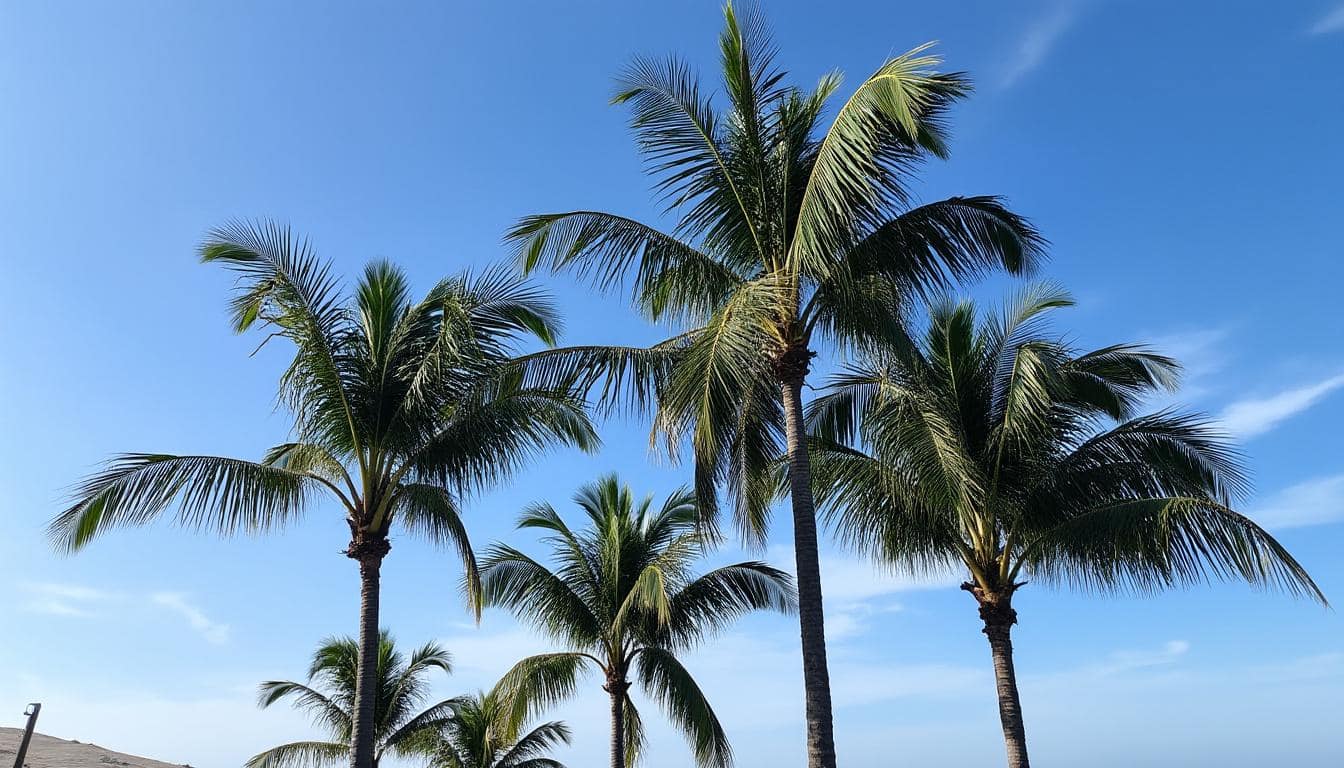
The Climate Conundrum: How Palm Trees Survive Chiba’s Weather
Chiba’s climate is classified as humid subtropical, with hot summers and mild to cool winters. This climate is generally conducive for the growth of certain palm species, provided they are tolerant of cooler temperatures. However, the adaptability of palms, especially the species like the Chinese Windmill Palm, plays a crucial role in their survival in Chiba.
Climate Adaptations of Palm Species
Palm trees have evolved several adaptations that allow them to thrive even in environments that are not typical of their usual tropical habitats. The Chinese Windmill Palm, for example, is known for its ability to survive cooler climates, making it one of the hardiest palms. It can withstand temperatures that dip well below zero, an unusual characteristic for palms, allowing it to flourish in regions like Chiba.
Moreover, the physiological structure of these palms, including their thick, fibrous trunks and durable leaf structures, helps them conserve water and withstand strong winds. Such adaptations make them not only a viable option but also a visually rewarding addition to Chiba’s green space planning.
Impacts on Urban Environments
In urban settings, palm trees help in reducing heat effects caused by extensive concrete landscapes. They provide shade, thus contributing to cooler surface temperatures, a crucial factor in urban climate management strategies — something particularly noticeable in bustling areas like CoastalChiba. Furthermore, they enhance air quality by filtering pollutants, a natural benefit that aligns with Chiba’s goal of maintaining environmental health amidst rapid urbanization.
Chiba’s Landscape and the Role of Palms
Chiba boasts a landscape that is as varied as it is beautiful, offering both serene rural vistas and vibrant urban views. Palm trees play an integral part in accentuating this duality, bridging the gap between Chiba’s rich natural scenery and its modernized cityscapes.
Enhancing Scenic Routes with Palm Avenues
Palm-lined streets such as the Kaihin Koen-dori road in Sodegaura are prominent examples of how palms enhance the landscape. These iconic routes have become attractions in their own right, drawing tourists and locals alike. The views of palms swaying gently, framed against a backdrop of the sky and sea, capture the quintessential image of an IslandVibes experience.
Such routes are part of what has been termed “ChibaExplore,” where journeys through the prefecture uncover pockets of tropical oasis amidst urban settings. This concept has been appealing to tourists seeking unique travel experiences that deviate from the conventional Japanese itineraries concentrated mostly around Tokyo and Kyoto.
Palms as Cultural Icons in Public Spaces
In public parks and gardens, palms serve not just as ornamental plants but as cultural icons that celebrate Chiba’s natural beauty and environmental consciousness. They are featured prominently in parks that offer a respite from city life, acting as nature’s reminder of tranquility and relaxation in spaces often overwhelmed by the hustle and bustle of daily activities.
The Future of Palm Trees in Chiba’s Urban Planning
As urbanization continues to expand in Chiba Prefecture, the role of palm trees in city planning and development becomes more vital. These trees offer multifaceted benefits, enhancing both aesthetic and environmental elements within Chiba, making them indispensable to the region’s urban and ecological strategies.
Integrating Palms in Sustainable Urban Designs
The inclusion of palms in urban designs in Chiba reflects a commitment to sustainable landscaping practices. As part of JapanRetreats, Chiba aims to create environmentally friendly urban environments that incorporate natural elements seamlessly into city life.
The unique visual impact of palms also supports tourism by crafting memorable landscapes that attract visitors year-round. As more emphasis is placed on green architecture, palms will likely become a staple in new projects, offering a slice of tropical paradise in an urban setting.
The Challenges of Maintenance and Growth
Despite their benefits, maintaining palms in Chiba does come with challenges. The correct species must be selected to ensure climate suitability and minimal maintenance requirements, while ongoing care is essential to sustain their health and longevity. This requires both financial investment and horticultural expertise.
Nonetheless, the resilience and adaptability of carefully chosen species like the Chinese Windmill Palm have largely mitigated these concerns. As Chiba continues to develop its urban and rural environments, palms will inevitably play a more prominent role in shaping the aesthetic and ecological landscape of this vibrant prefecture.
Frequently Asked Questions About Palms in Chiba
What types of palm trees grow in Chiba?
Primarily, the Chinese Windmill Palm and Chinese Fan Palm are found in Chiba, known for their resilience to cooler climates.
Why are palm trees important in urban areas of Chiba?
They provide shade, reduce urban heat, filter pollutants, and enhance city aesthetics, contributing to a healthier urban environment.
Can palm trees be a part of sustainable urban design?
Yes, as they support environmental goals and enhance tourism appeal by creating visually impressive and climate-adaptive landscapes.
Does Chiba observe daylight savings time?
Understanding Timekeeping Practices in Chiba, Japan Chiba, a vibrant city located close to Tokyo, follows Japan Standard Time (JST), remaining consistently at UTC+9 throughout the year. Unlike many Western countries, Japan, including Chiba, does not observe Daylight Saving Time (DST).…
Ancient Beginnings: The Prehistoric Roots of Chiba Chiba Prefecture, located on Japan’s eastern coast, boasts an ancient history that dates back to prehistoric times. As the earliest societies began to settle, Chiba’s fertile lands and rich marine resources from the…
How long has Chiba been a city?
Chiba, a vibrant city located just east of Tokyo, has a rich history that dates back centuries. Known for its strategic location and significant contributions to Japan’s economic and cultural landscape, Chiba holds a unique place in Japan’s array of…
What was the former name of Chiba?
Exploring the transformation of Chiba over centuries is like delving into a rich tapestry of history, showcasing a journey from its archaic origins to its modern incarnation. Known today as Chiba City, nestled on Japan’s eastern Kanto region and adjacent…
Chiba Prefecture, nestled conveniently east of Tokyo, is a destination renowned for its blend of urban sophistication, nostalgic history, lush landscapes, and proximal coastlines. While it stands as an undeniable gem in Japanese tourism, the question arises: is Chiba overrated?…
Are there skyscrapers in Chiba?
With its mesmerizing blend of modern and traditional architecture, Japan has always been at the forefront of architectural innovation. When one thinks of Japanese cities, Tokyo often springs to mind with its iconic skyline filled with towering buildings. However, another…
