
 Français
 Español
 Deutsch
 Italiano
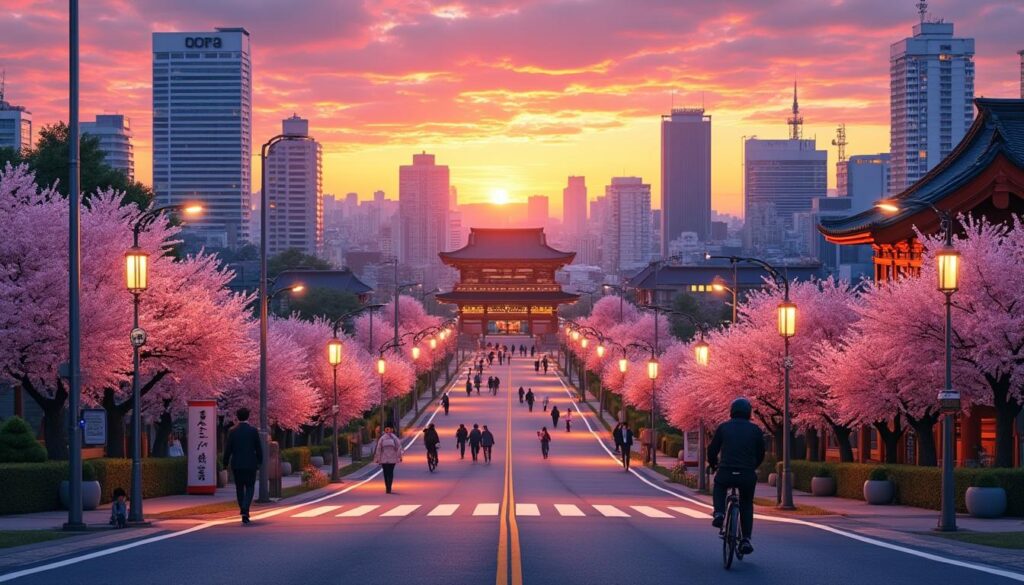
Understanding Timekeeping Practices in Chiba, Japan
Chiba, a vibrant city located close to Tokyo, follows Japan Standard Time (JST), remaining consistently at UTC+9 throughout the year. Unlike many Western countries, Japan, including Chiba, does not observe Daylight Saving Time (DST). This standard provides a sense of predictability and stability for both residents and visitors in managing their schedules.
JST’s constancy eliminates the need for clock adjustments with the changing seasons, a practice familiar in parts of Europe, North America, and even some places in Asia and Africa. Those areas shift time forward in spring and backward in the fall to make better use of daylight in the evenings.
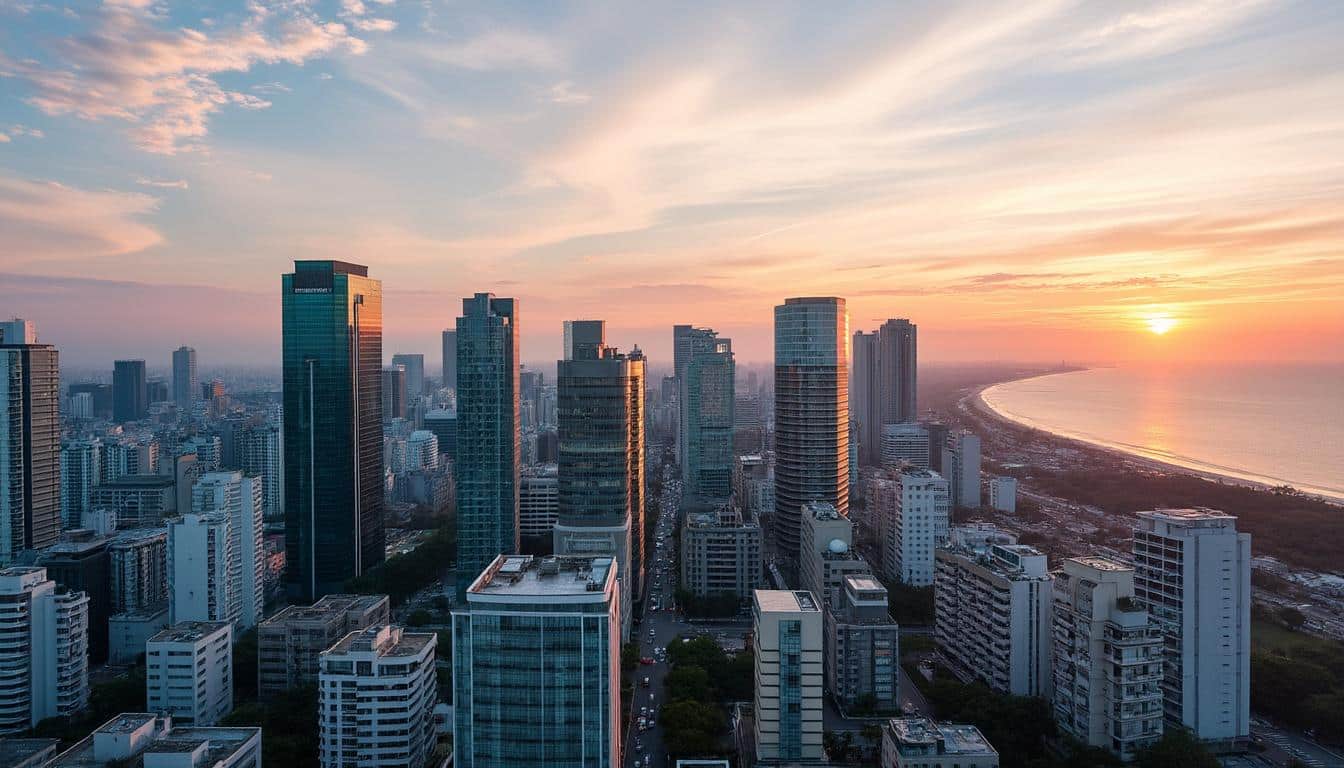
However, Chiba’s choice not to observe DST means the city experiences natural shifts in daylight hours as the year progresses. For example, in summer, sunrises can occur around 04:38, and sunsets around 18:33, allowing for nearly 14 hours of daylight. These shifts naturally influence daily routines, local businesses’ operating hours, and the timing of social events.
The reliability of consistent timekeeping in Chiba is not only a matter of convenience but also aids in long-term planning and efficiency. For tourists, this means the elimination of something extra to fret about when adjusting to a new time zone or when planning travel, ensuring that the focus can be on enjoying the local culture, attractions, and experiences without clock-related surprises.
International businesses can depend on this constant timing, which reduces the risk of errors and misunderstandings in meeting scheduling across different global partners. Tools like timezone converters become essential for those managing international communications, ensuring that meetings are planned with precision.
Why Japan Stays Away from Daylight Saving Time
Japan’s avoidance of Daylight Saving Time has historical roots and practical reasons. Post-World War II, Japan briefly experimented with DST under the Allied occupation but abandoned it afterwards. The prevailing sentiment was that it disrupted the natural human rhythm and caused unnecessary complications without substantial benefit, a perspective that remains influential today.
Furthermore, the country’s geographic positioning, climate, and cultural habits have contributed to this decision. Typical Japanese daily life is structured around the natural daylight cycle, particularly affecting cultural practices and events throughout the year.
Moreover, several countries are moving towards eliminating DST entirely, as seen with the European Parliament proposal and the United States’ Sunshine Protection Act, supporting Japan’s decision to maintain stable, year-round timekeeping. This aligns with the trend towards simplification and consistency in global time management.
For tourists, understanding this context can enhance the travel experience, providing a backdrop against which local customs and time-based traditions are better appreciated. As travelers adapt to this seamless time flow, practical tips, such as consulting reliable resources like local guides, can help maximize their experience during their stay in Chiba.
The Practical Benefits of Chiba’s Steady Time Zone
Consistency in Chiba’s time zone has several practical advantages, especially for residents and businesses. The certainty of a fixed time system aids in managing everyday activities without the periodic disruptions associated with DST transitions.
Local businesses, such as Chiba Clock Co., see the benefits of year-round operational consistency. Avoiding DST eliminates the risk of errors or confusion, enhancing business efficiency. Furthermore, the coordination of public transport, crucial in a densely populated region, benefits significantly from predictable schedules, ensuring timely travel for commuters and tourists alike.
Residents in Chiba appreciate a stable time environment, supporting a harmonious blend of work-life balance. Without DST-related changes, personal plans, events, and routines are easier to manage, reducing stress and maintaining a continuous rhythm throughout the year.
- 📆 Planned Events: Simplifies planning local events and festivals, leveraging consistent daylight.
- 🚉 Public Transport: Ensures reliable timetables, improving commuter convenience.
- 🕰️ Business Continuity: Enhances operational efficiency and reduces potential for timing errors.
Technological innovations by local companies such as Seiko and Citizen further reinforce this stability through timekeeping tools that are both reliable and precise, ensuring everyone stays on schedule with greater ease. These advancements underline Japan’s global reputation for precision and reliability, popularizing brands like Casio and G-Shock for their impeccable functionality.
Cultural and Environmental Influences of Fixed Time in Chiba
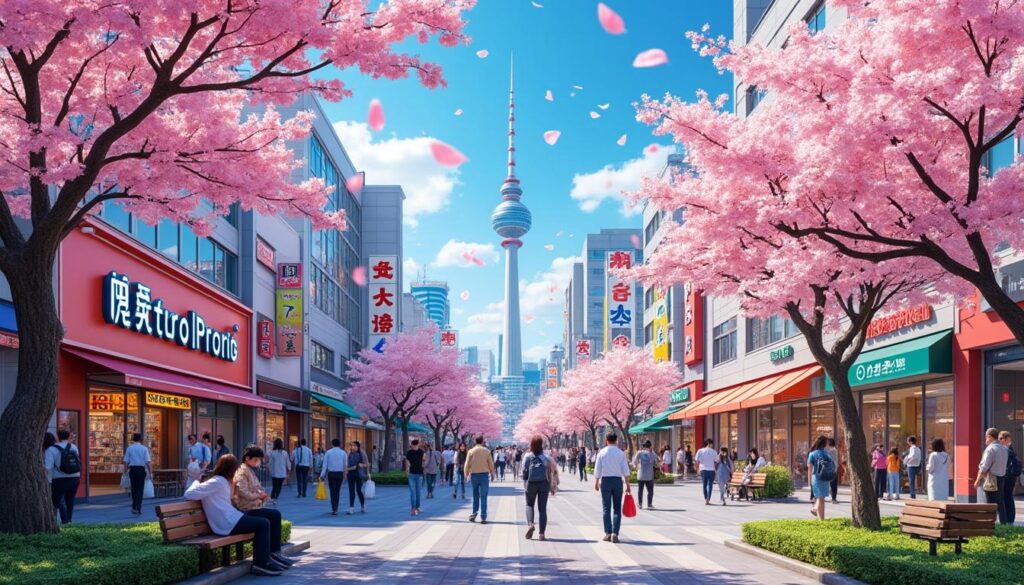
The stability of Japan Standard Time (JST) extends its influence beyond daily schedules, playing a significant role in cultural events and environmental considerations within Chiba. Without the shifts brought by DST, cultural events align with seasonal changes, allowing customs such as Hanami (cherry blossom viewing) to flourish under natural light conditions.
The fixed time zone synchronizes with the natural environment, offering a dependable daylight pattern which benefits local ecosystems, agricultural cycles, and nature tourism. The steady progression of daylight and darkness aligns with ornamental plant growth cycles and helps to predict climatic changes adequately.
Moreover, Chiba’s steadfast timekeeping plays a role in mitigating environmental impacts, helping planners prepare for natural events such as typhoons and heavy rainfalls better. The coordination of disaster response protocols is unaffected by time shifts, ensuring prompt and efficient action when needed.
| 🌿 Cultural Event | 🌸 Date | 🌞 Time Impact |
|---|---|---|
| Hanami (Cherry Blossom Viewing) | Late March | Natural daylight extends viewing hours |
| Chiba Festival | August | Leverages longer daylight for evening events |
The elimination of DST in Chiba ensures that cultural and environmental dynamics remain in sync with nature, fostering a balanced relationship between humans and the natural world.
Technological Integrations Supporting Time Consistency in Chiba
Chiba is home to many cutting-edge companies that contribute to the technological advancements surrounding time consistency, including industry giants like Sharp, Panasonic, Sony, and Garmin. These corporations focus on integrating Japanese precision with advanced technology, producing efficient tools that support both local and international clients.
These tools often incorporate features such as satellite synchronization, offering enhanced accuracy for global time management. Energy-efficient designs are integral, reflecting Japan’s commitment to eco-friendly solutions and sustainability. For instance, Seiko and Citizen’s innovations in watchmaking include technology-driven adjustments that keep devices exact yet straightforward.
This focus on stable and reliable timekeeping technology plays a crucial role in the lives of Chiba’s citizens, offering dependability and enhancing their daily experiences. It’s not only about what time it is globally but also about how precisely and easily it can be determined and maintained within Chiba.
- 📡 Synchronization: Assurance of precise global time coordination.
- 🔋 Sustainability: Eco-friendly technological advancements.
- 🧭 Precision: Enhancements for both analog and digital watch enthusiasts.
Frequently Asked Questions
Does Chiba observe Daylight Saving Time?
No, Chiba remains on Japan Standard Time (UTC+9) throughout the year without adopting Daylight Saving Time.
How can travelers adjust to Chiba’s time schedule?
Travelers should set their devices to JST before arriving and use apps to stay synced with local time.
What are the implications of not observing DST for events in Chiba?
Events in Chiba align with natural daylight patterns, often timed to maximize daylight during spring and summer.

Palm Trees in Chiba: A Tropical Impression in a Japanese Prefecture Visitors to Chiba Prefecture might be surprised to discover the presence of palm trees lining certain streets and areas, injecting a tropical atmosphere into this diverse region of Japan.…

Ancient Beginnings: The Prehistoric Roots of Chiba Chiba Prefecture, located on Japan’s eastern coast, boasts an ancient history that dates back to prehistoric times. As the earliest societies began to settle, Chiba’s fertile lands and rich marine resources from the…
How long has Chiba been a city?
Chiba, a vibrant city located just east of Tokyo, has a rich history that dates back centuries. Known for its strategic location and significant contributions to Japan’s economic and cultural landscape, Chiba holds a unique place in Japan’s array of…
What was the former name of Chiba?
Exploring the transformation of Chiba over centuries is like delving into a rich tapestry of history, showcasing a journey from its archaic origins to its modern incarnation. Known today as Chiba City, nestled on Japan’s eastern Kanto region and adjacent…
Chiba Prefecture, nestled conveniently east of Tokyo, is a destination renowned for its blend of urban sophistication, nostalgic history, lush landscapes, and proximal coastlines. While it stands as an undeniable gem in Japanese tourism, the question arises: is Chiba overrated?…

Are there skyscrapers in Chiba?
With its mesmerizing blend of modern and traditional architecture, Japan has always been at the forefront of architectural innovation. When one thinks of Japanese cities, Tokyo often springs to mind with its iconic skyline filled with towering buildings. However, another…
