
 Français
 Español
 Deutsch
 Italiano
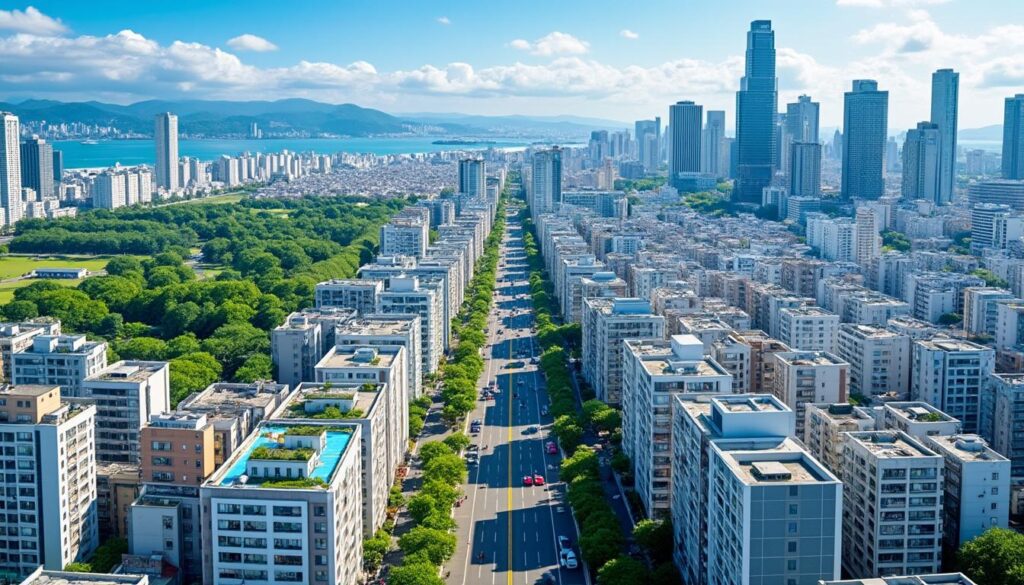
Understanding the Population Dynamics of Chiba
Chiba, a vibrant city situated in the Chiba Prefecture of Japan, is home to a diverse and dynamic population. As of the year 2025, the population of Chiba stands at approximately 960,566. Known for its rich cultural heritage and strategic location near Tokyo Bay, Chiba is one of the most significant urban areas in the region. The city ranks number 14 among other major cities in Japan in terms of population size, making it a vital part of the country’s urban hierarchy.

The population density of Chiba is an important metric that offers insights into the city’s urban development and planning. With a density of around 3,605 people per square kilometer, Chiba presents a case study in efficient urban space utilization. This high-density living is characteristic of many Japanese cities, where space is at a premium, and innovative solutions are employed to accommodate growing populations within limited land areas.
In examining Chiba’s population dynamics, it is crucial to consider various demographic factors. The city’s population structure is influenced by several elements such as age distribution, employment rates, and migration patterns. These factors not only define the city’s current state but also indicate future trends that could shape its urban landscape.
- 👥 Chiba ranks 14th in population size among Japanese cities.
- 🏢 The population density is approximately 3,605 people per km².
- 📊 Considerable population dynamics due to migration and demographic shifts.
| Year | Population | Rank in Japan |
|---|---|---|
| 2025 | 960,566 | 14th |
| 2020 | 974,951 | 14th |
| 2015 | 961,749 | 14th |
Impact of Migration on Population
The movement of people both into and out of Chiba plays a significant role in the city’s population dynamics. Migration patterns are influenced by employment opportunities, educational institutions, and lifestyle preferences, among other factors. The availability of jobs in various sectors such as technology, education, and service industries attract individuals from other regions seeking better prospects.
Demographic Breakdown and Its Implications
The demographic profile of Chiba is diverse, encompassing a wide range of age groups and social backgrounds. This diversity brings both opportunities and challenges to the city’s infrastructure and services. Understanding the age distribution is particularly important for effective urban planning and public service provision.
As of recent data, the age demographic in Chiba shows a significant proportion of the population in the working-age group (20-59 years), which is crucial for the city’s economic vitality. However, there is also an increasing number of elderly residents (60 years and above), reflecting Japan’s national trend towards an aging population. This demographic shift necessitates adjustments in healthcare services, housing, and transportation systems to accommodate the needs of older citizens.
- 🧔 Working-age population forms the majority in Chiba.
- 👵 Increasing proportion of elderly residents.
- 🏥 Demands on healthcare and social services are rising.
| Age Group | Population |
|---|---|
| 0-9 years | 469,851 |
| 10-19 years | 546,190 |
| 20-29 years | 627,689 |
Employment and Economic Indicators
The economic landscape of Chiba is intricately linked to its population statistics. The city’s economy is diversified, encompassing sectors such as technology, manufacturing, retail, and tourism. As of 2025, the employment rate in Chiba is relatively high, driven by the city’s strategic location as a hub for business and commerce.
The workforce in Chiba is mainly composed of individuals in the age groups of 20-59 years, contributing significantly to the local economy. However, as the population ages, there may be shifts in the labor market, with potential shortages in some sectors. This presents both challenges and opportunities for businesses and policymakers to adapt and address the evolving workforce needs.
- 📈 High employment rate with a diverse and skilled workforce.
- ⚙️ Sectors such as technology and retail are major contributors.
- 🚀 Opportunities for growth with strategic planning.
| Sector | Employment |
|---|---|
| Technology | 20% |
| Retail | 15% |
| Manufacturing | 18% |
Urban Planning and Infrastructure Development
Urban planning in Chiba is a continuous process aimed at balancing population growth with sustainable development. The city has made significant investments in infrastructure to support its growing population, including transit systems, housing, and recreational facilities. Efficient urban planning is critical to cater to the diverse needs of Chiba’s inhabitants.
The transportation system is a focal point in urban development strategies. Chiba’s rail and bus networks are essential in connecting residents and facilitating economic activities. Moreover, sustainable practices such as green building initiatives and renewable energy adoption are increasingly integrated into city planning efforts, aligning with global environmental goals.
- 🚆 Efficient transportation network supports mobility.
- 🏗️ Continued investment in housing and infrastructure.
- 🌍 Emphasis on sustainable urban development practices.
| Infrastructure Area | Investment Focus |
|---|---|
| Transportation | Rail and bus networks |
| Housing | Affordable housing projects |
| Environment | Green building initiatives |
Future Population Trends in Chiba
Future projections for Chiba’s population are influenced by a multitude of factors, including economic conditions, migration trends, and national demographic policies. Understanding these influences is key to preparing for the challenges and opportunities that lie ahead. Population forecasts are integral to planning for urban expansion, infrastructure needs, and public services.
Migration continues to be a major factor in shaping Chiba’s demographics. As people move in for better opportunities, the city’s population will likely continue to diversify. Strategies to attract young families and professionals are essential in maintaining a balanced population structure and ensuring economic vitality.
- 📊 Population growth anticipated with urban expansion.
- 🧑🤝🧑 Migration trends significantly influence demographics.
- 🚀 Strategic goals set for sustainable population management.
| Factor | Impact on Population |
|---|---|
| Economic Growth | Positive influence on migration |
| National Policy | Impact on birth rates and family planning |
| Urban Planning | Influences living conditions |
What is the population of Chiba in 2025?
In 2025, Chiba’s population is approximately 960,566.
How does migration affect Chiba’s population?
Migration plays a significant role, with individuals moving to Chiba for employment and better living conditions.
What are Chiba’s key economic sectors?
The key sectors include technology, retail, and manufacturing, which significantly impact employment rates.
What urban planning initiatives are being implemented in Chiba?
Chiba focuses on improving transportation networks, building affordable housing, and promoting sustainable practices.
How is the aging population addressed in Chiba?
The city has implemented various strategies in healthcare and housing to cater to the needs of its elderly population.

Rent Prices Chiba: Understanding Housing Costs Chiba offers a more economical option for housing compared to nearby Tokyo. On average, Chiba rent prices vary with a single person expecting to pay about $469 monthly for a one-bedroom apartment in the…

Understanding Ride-Sharing in Chiba: Does Ola Operate Here? In the world of urban travel and mobility, ride-sharing apps have become an essential component of modern transportation. However, when it comes to the bustling prefecture of Chiba in Japan, questions often…
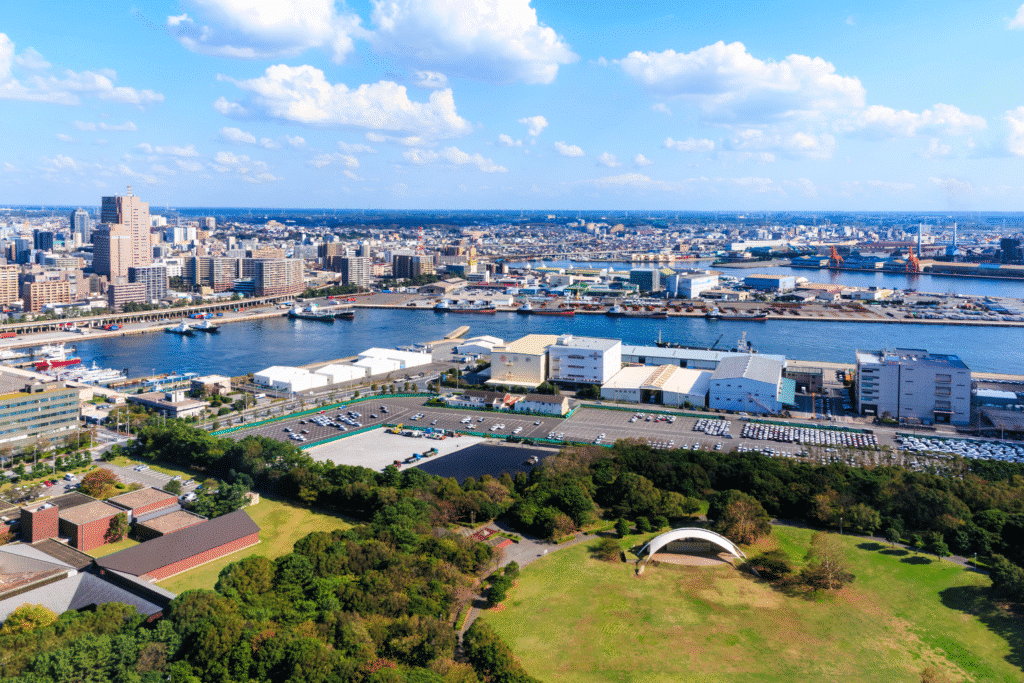
Chiba Weather in August: Temperature, Rainfall, & More Chiba, located conveniently near Tokyo, experiences warm and humid weather during the month of August. The average temperatures range from 76.6°F to 85.6°F (24.8°C to 29.8°C), making it the warmest month of…
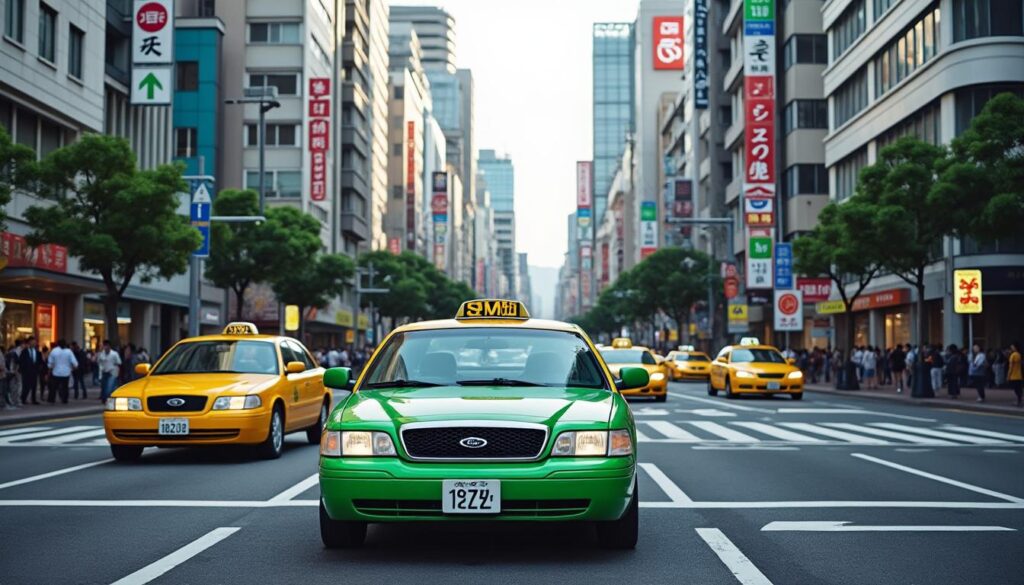
Exploring Taxi Services in Chiba When navigating through Chiba, Japan, the question arises: are there reliable taxi services available in Chiba? With Chiba being a significant hub due to its proximity to Tokyo and Narita International Airport, taxi availability is…
Does Virgin Atlantic fly to Chiba?
Exploring Flight Options to Chiba: Is Virgin Atlantic an Option? Chiba, a captivating city in Japan, draws numerous travelers due to its vibrant culture, historical sites, and close proximity to Tokyo. However, for those planning to travel there, a prevalent…

What to visit in Chiba in 6 days?
Planning a six-day itinerary in Chiba, Japan, offers travelers a delightful blend of cultural experiences, natural wonders, and urban adventures. Positioned just east of Tokyo, Chiba Prefecture is a diverse region that seamlessly combines historical sites, pristine beaches, and modern…

Chiba Prefecture, located just east of Tokyo, offers a multitude of attractions for those looking to explore the lesser-known parts of Japan. While frequently overshadowed by its bustling neighbor, Chiba holds its own with an array of activities and sites…

While Tokyo is often the first Japanese destination that comes to mind for international travelers, the adjacent Chiba Prefecture offers its own unique blend of attractions. With Narita International Airport as its primary entry point, Chiba serves as a gateway…
