
 Français
 Español
 Deutsch
 Italiano
Understanding the Winter Climate in Chiba
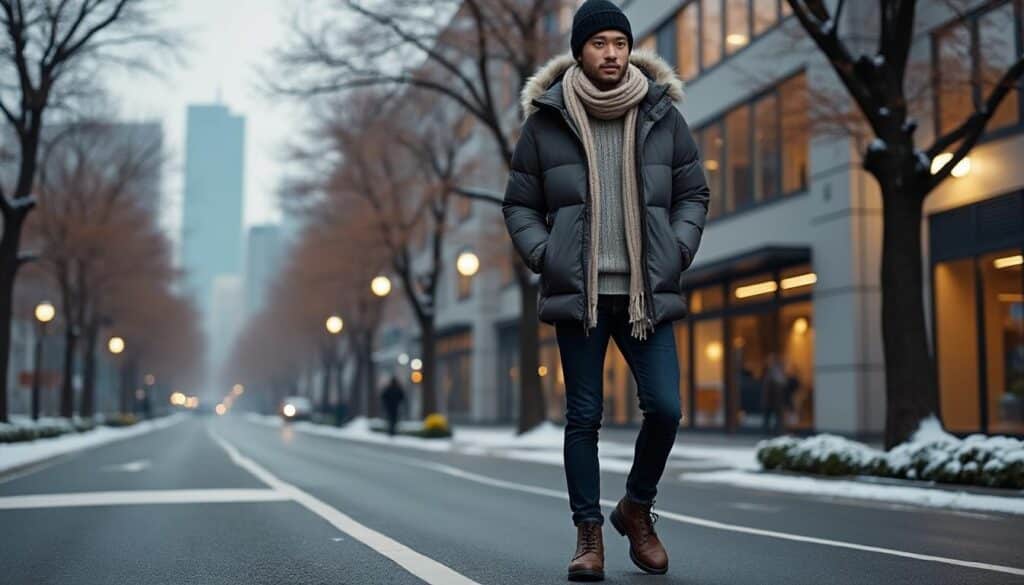
The city of Chiba, known for its rich culture and proximity to Tokyo, experiences a distinct winter season. Between December and February, temperatures can range from low to mid-teens Celsius during the day, dropping to near freezing at night. This variability requires one to dress strategically, layering being the key strategy to ensure warmth and comfort.
Winter in Chiba is often characterized by cold weather and occasional rainfall. The presence of the Pacific Ocean moderates the temperature slightly, but cold winds can make the air feel brisker than expected. It is crucial to check the weather forecast regularly and adapt attire to the day’s conditions. For more detailed insights into the winter weather patterns in Chiba, visit this resource.
Being well-prepared for various weather conditions can enhance your experience whether you are exploring urban attractions or the serene natural landscapes Chiba offers. The following sections will explore essential clothing items and styling tips for staying comfortable and stylish during your visit.
The Art of Layering for Outdoor Activities
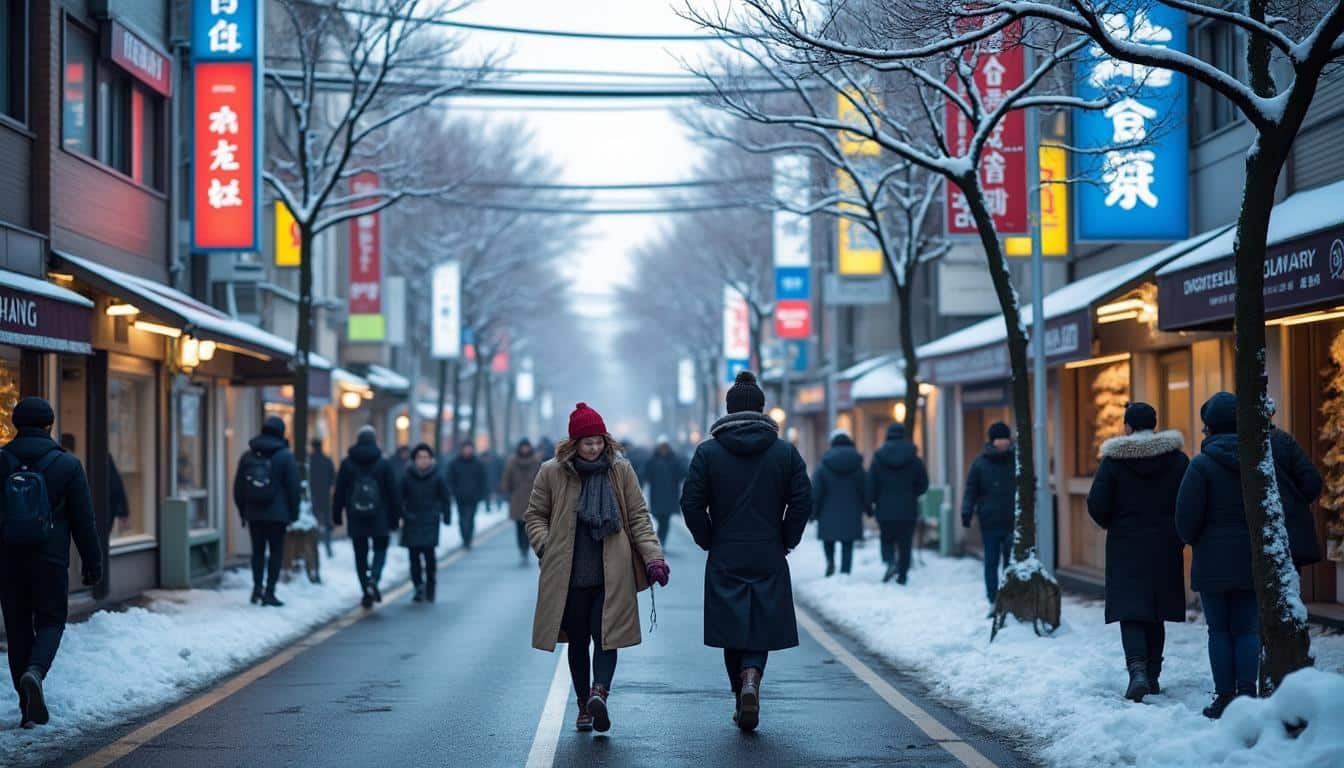
Layering is an effective approach to dressing for Chiba’s winter, as it allows flexibility and adaptability based on temperature changes throughout the day. Essential layers include base layers, insulating layers, and outer layers.
Base Layers: The role of a base layer is crucial – it helps wick moisture away from the body to keep you dry. Thermal tops and tights made from materials like merino wool or synthetic fibers are excellent choices. They provide warmth without the bulk, allowing for freedom of movement.
Insulating Layers: Over the base layer, insulating layers such as fleece jackets, down vests, and wool sweaters provide additional warmth. These layers trap heat close to the body, creating a cozy barrier against the cold.
Outer Layers: An outer layer like a waterproof and windproof jacket is essential for shielding against rain and cold winds. Look for jackets with adjustable hoods and cuffs for better protection. Emphasizing weight and packability can also enhance convenience when moving between indoor and outdoor activities.
For those planning to partake in outdoor adventures like hiking or visiting coastal areas, layering becomes even more critical. Multiple thin layers can be more effective than a single bulky coat, providing better thermal regulation. When planning your activities, ensure you have versatile attire. A waterproof jacket and comfortable shoes are indispensable. More tips on dressing can be found in guides like this one.
Choosing Comfortable Yet Stylish Winter Clothing
While staying warm is essential, style does not need to be compromised. Chiba offers a vibrant street fashion scene that encourages creativity even in winter wear.
Jackets and Coats: Embrace stylish outerwear without sacrificing warmth. Options range from classic pea coats to modern puffers and trench coats. Neutral colors like black, navy, and camel often complement most outfits, allowing flexibility in styling.
Sweaters and Knitwear: Sweaters are not only practical but are also at the core of winter fashion. Cable knit, turtlenecks, and cardigans offer warmth and can be paired easily with both jeans and skirts for diverse looks.
Pants and Bottoms: Denim jeans and wool trousers are staples. They can withstand cold weather while providing a foundation for versatile pairings. Layering thermal leggings underneath skirts can also offer a mix of style and warmth, perfect for both casual outings and more formal events.
Accessorizing smartly can enhance both warmth and fashion. Scarves, hats, and gloves in complementary colors add personality to an outfit. Opt for wool or cashmere scarves and lined leather or knit gloves for the best insulation.
Footwear should not be neglected. Comfortable shoes are vital, especially those that are water-resistant and have good traction. This ensures stability and keeps feet dry during unexpected rain showers. Discover more about winter footwear essentials in this informative guide.
Seasonal Accessories and Their Importance
Accessorizing in winter is more than an expression of style. It serves functional purposes by enhancing warmth and protecting against the chilling winds of Chiba.
Scarves and Shawls: More than a decorative addition, scarves made from materials like wool or cashmere offer substantial warmth. They can be wrapped around the neck or draped over shoulders, providing an additional barrier against cold winds.
Hats and Beanies: Heat loss through the head is significant, making hats crucial in cold weather. Choose beanies or berets that cover the ears and are made from insulating materials to ensure maximum warmth.
Gloves and Mittens: Hands are particularly susceptible to cold, making well-insulated gloves a necessity. Look for options with touch-screen capability if you need to use a smartphone frequently. Mittens can offer extra warmth by keeping fingers together.
Accessories for Specific Activities: For more adventurous outings, consider investing in technical accessories such as thermal socks and balaclavas. These items provide added protection and comfort, particularly in exposed areas like coastal regions or elevated trails.
Incorporating these accessories not only increases comfort but also allows for personal expression amid the neutral palettes often seen in winter wardrobes. They can transform a simple outfit into something dynamic and interesting, reflecting Chiba’s eclectic fashion influences.
Practical Tips for Visiting Chiba in Winter
In addition to clothing, preparing ahead with practical planning ensures a pleasant winter experience in Chiba. Here are several tips:
- Check Weather Regularly: Conditions can change rapidly. Staying informed helps in making smart wardrobe decisions daily.
- Plan Indoor and Outdoor Activities: Balance your itinerary with both indoor attractions like museums and outdoor adventures to optimize your experience.
- Stay Hydrated: Despite the cold, hydration is vital. Carry a reusable bottle to keep drinks available on the go.
- Utilize Local Transport: Public transit is efficient and can help in avoiding exposure to harsh weather during commutes.
- Respect Local Customs: Winter in Japan is a season of festivals and traditions. Engaging with local customs can enrich your visit.
For more travel insights and guidance, visiting Chiba Travel can provide additional resources tailored for winter travelers.
| Item | Description | Benefits |
|---|---|---|
| Base Layer | Thermal tops and tights | Wicks moisture, keeps you dry |
| Insulating Layer | Fleece jackets, wool sweaters | Provides warmth |
| Outer Layer | Waterproof jacket | Protects from rain and wind |
| Accessories | Hats, scarves, gloves | Adds warmth and style |
| Footwear | Water-resistant shoes | Keeps feet dry, provides traction |
How to dress for Chiba in May?
Dressing for Chiba: Understanding May Weather Chiba experiences mild weather in May, which plays a significant role in dictating appropriate attire. During this month, temperatures typically range between the mid-50s and 70s Fahrenheit. Consequently, preparing for both warm daytime temperatures…
What to wear in Chiba in autumn?
Understanding Chiba’s Autumn Climate Chiba, located near Tokyo, presents a delightful autumn atmosphere, characterized by mild temperatures and the captivating transformation of foliage. During this period, temperatures range from approximately 15°C to 23°C. The climate is generally mild with manageable…

What to wear on a flight to Chiba in February?
Understanding Chiba Weather in February When planning a flight outfit for Chiba, especially in February, understanding the local weather is crucial. Chiba, Japan, experiences a relatively mild winter compared to some other regions of the country. However, temperatures can still…

What to wear on a flight to Chiba in January?
Preparing Your Travel Outfit for a Flight to Chiba in January When planning a journey to Chiba in January, understanding the climate and choosing the right travel outfit is crucial for comfort. The climate in January tends to be quite…

What to wear on a flight to Chiba in November?
What to Wear on a Flight to Chiba in November: Essential Tips Traveling to Chiba in November requires a strategic approach to packing. As temperatures begin to drop and the leaves turn vibrant shades of red and orange, dressing appropriately…

What to wear on a flight to Chiba in spring?
Comfort and Style: Ideal Clothing for Air Travel to Chiba Flying to distant places such as Chiba demands clothing that combines comfort with style—the kind of attire that keeps airplane journeys pleasant while leaving passengers fresh and ready upon arrival.…

What to wear in Chiba in October?
Planning a trip to Chiba in October and unsure about what to pack and wear? Here’s a comprehensive guide to help you navigate the wardrobe choices suitable for this beautiful time of year! Understanding Chiba’s October Climate Chiba in October…
How to dress for Chiba in spring?
Dressing for Chiba in Spring: Embrace the Cherry Blossoms Spring in Chiba is truly a remarkable season, with cherry blossoms painting the landscapes in hues of pink and white. The onset of this vibrant season brings with it a change…
What to pack for Chiba in March?
Packing Essentials for Weather Variability in Chiba When embarking on a journey to Chiba in March, it’s crucial to be prepared for a range of weather conditions. The temperatures can fluctuate from a brisk 8°C (46°F) to a milder 17°C…
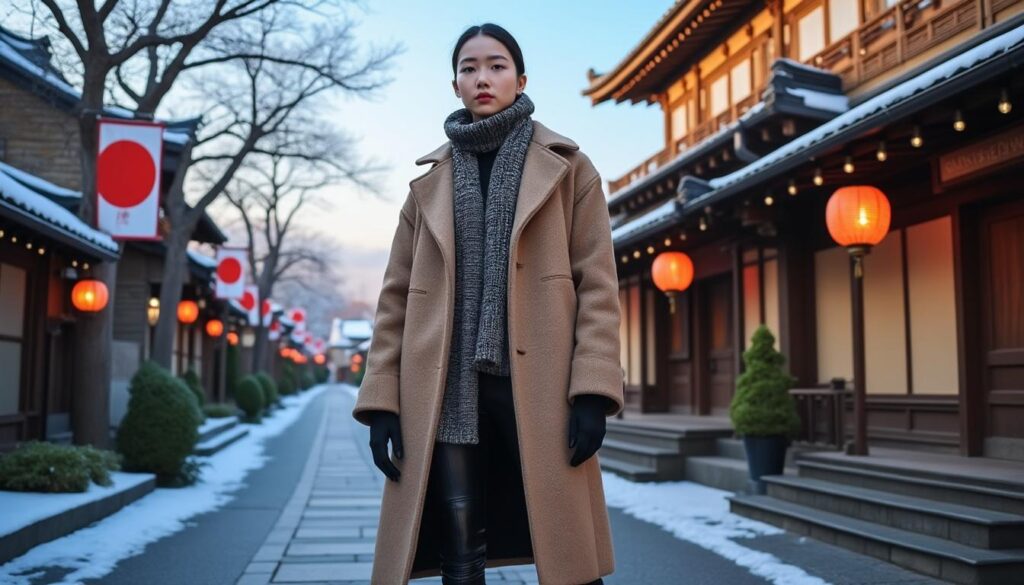
What to wear in Chiba in December?
Understanding Chiba’s December Climate and Choosing Appropriate Attire Chiba, located just east of Tokyo, provides a unique blend of urban excitement and natural beauty, making it an enticing destination for winter travelers. Understanding the local climate is crucial to ensure…

How much does a taxi cost in Chiba?
🌟 Navigating through the scenic and bustling city of Chiba can be an exciting experience, whether you’re a resident or a traveler. One of the key concerns, however, is understanding how much a taxi ride might cost in this region.…
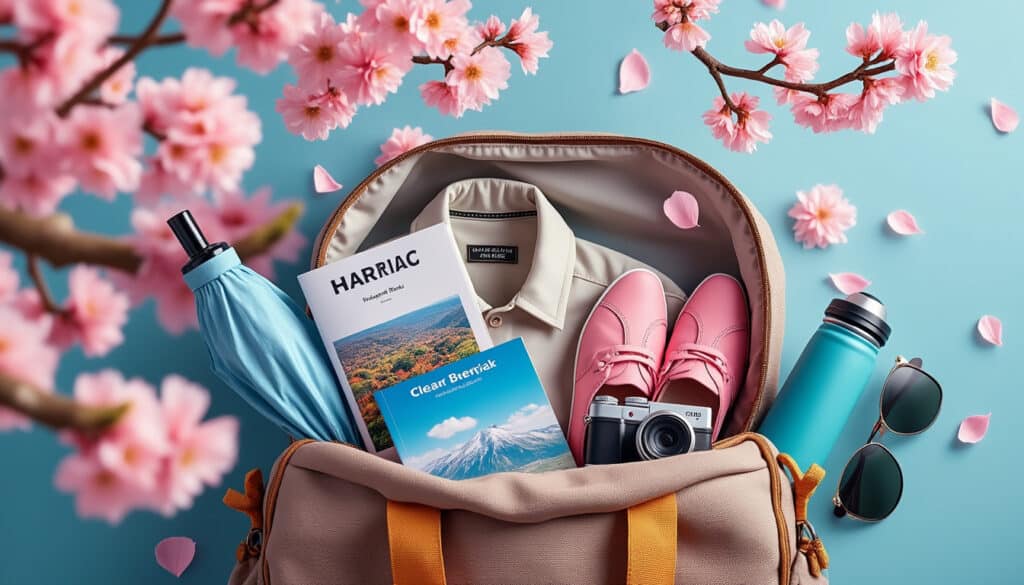
What to bring to Chiba in April?
April in Chiba marks the arrival of spring, welcoming travelers with mild temperatures, cherry blossoms, and vibrant cultural events. Preparing for a trip during this time requires careful consideration of the weather, cultural norms, and necessary gear to make the…
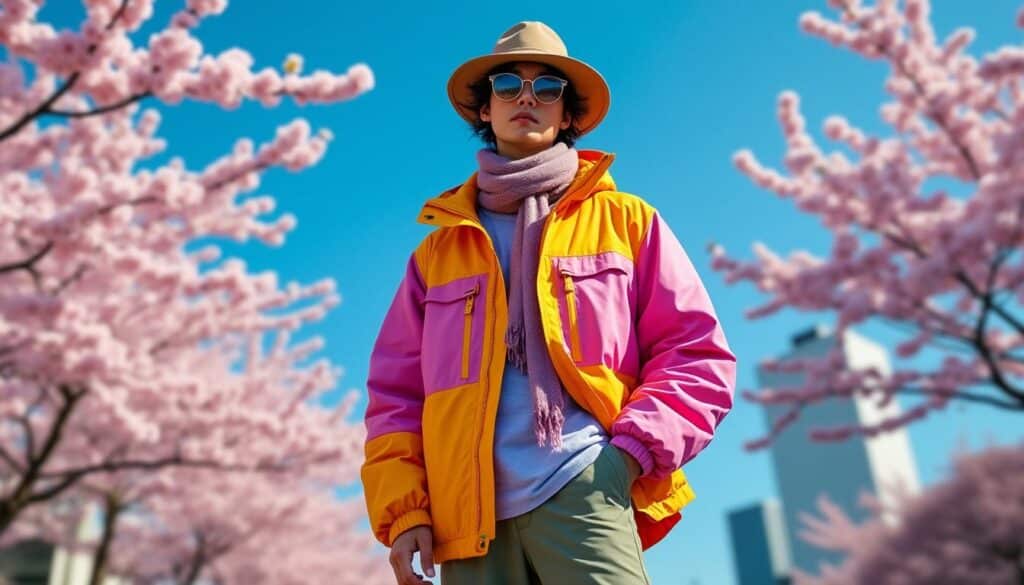
How to dress for Chiba in April?
April in Chiba, a picturesque coastal prefecture in Japan, marks the delightful transition from chilly winter days to the vibrant bloom of spring. With temperatures fluctuating between 10°C and 20°C (50°F and 68°F), dressing appropriately becomes a key factor for…
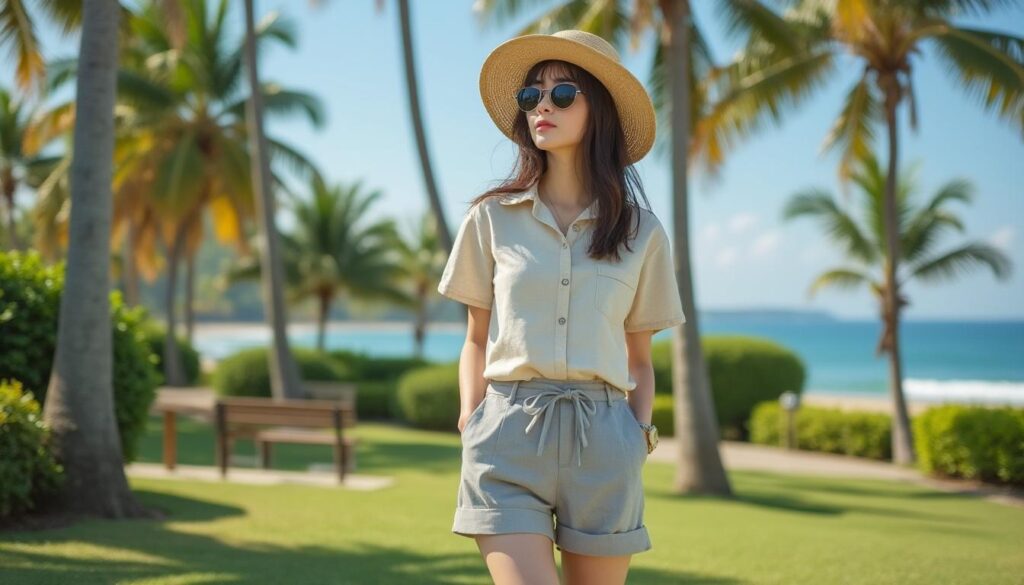
How to dress for Chiba in summer?
The summer season in Chiba, known for its vibrant festivals, scenic beaches, and warm climate, requires a careful choice of attire to ensure comfort and style. With high temperatures and humidity, dressing appropriately is essential for enjoying outdoor activities, cultural…

In the charming prefecture of Chiba, just a short trip from the hustle and bustle of Tokyo, the concept of brunch takes on a unique flair, harmoniously blending traditional Japanese cuisine with international tastes. Known for its rich culinary tradition…

What to bring to Chiba in December?
Chiba, a fascinating region located just east of Tokyo, is an ideal destination for those seeking to explore a blend of urban sophistication and natural beauty. In December, as the season shifts to winter, Chiba undergoes a charming transformation that…

What to wear on a flight to Chiba in March?
Planning a visit to Chiba in March involves getting ready for an exciting journey across both modern marvels and traditional wonders of Japan. As March marks the transition from winter to spring, travelers need to pack smart to manage varying…
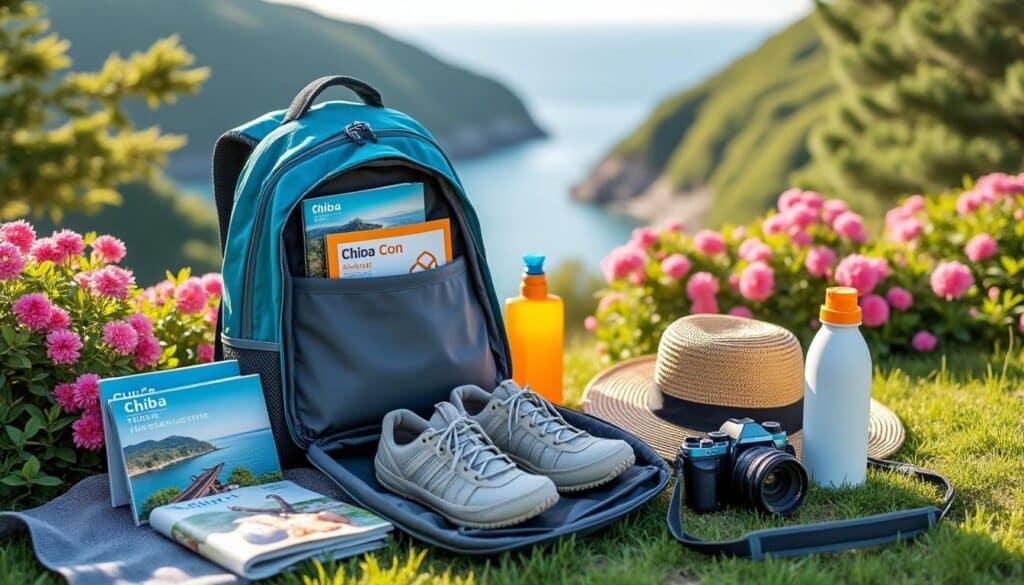
What to bring to Chiba in June?
Planning a trip to Chiba, Japan in June involves more than just booking flights and accommodations. This vibrant prefecture, nestled conveniently near Tokyo, offers an exciting blend of urban sophistication and naturally serene landscapes. With attractions ranging from cultural landmarks…
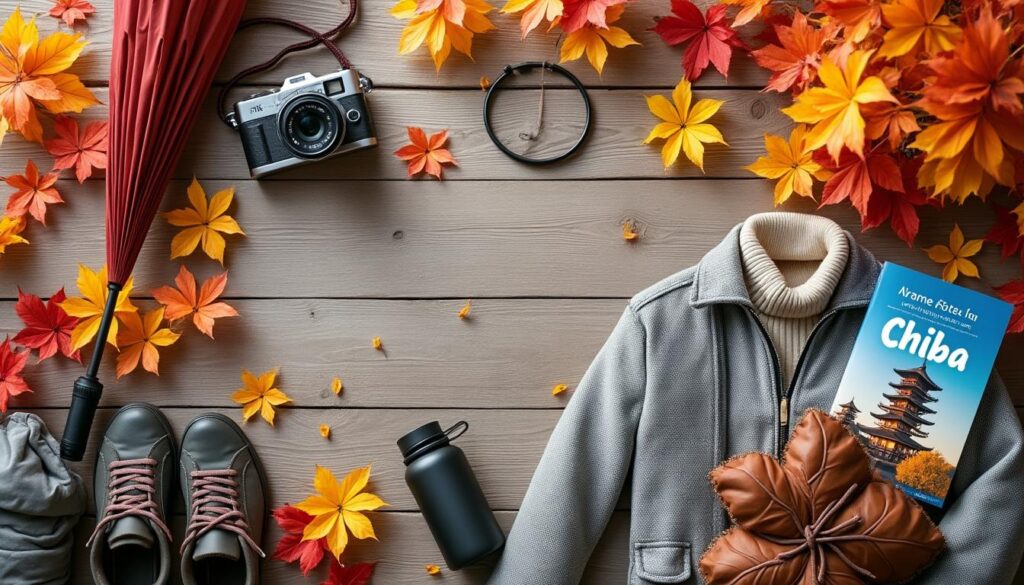
What to bring to Chiba in October?
Chiba, a neighboring prefecture of Tokyo, offers a uniquely diverse experience for travelers visiting in October. From the bustling urban vibes of Chiba City to the natural serenity of the Boso Peninsula, Chiba is a delightful blend of modernity and…
