
 Français
 Español
 Deutsch
 Italiano

Tracing the Historical Roots of Chiba, Japan
Known today as a vibrant city in Japan’s Kanto region, Chiba has a history that stretches back thousands of years. Though the question, “When was Chiba discovered?” may not have a simple answer, the exploration of its historical origins provides a fascinating glimpse into the journey of this city’s development. Chiba, nestled on the eastern Kanto coast and adjacent to Tokyo Bay, rose from its ancient beginnings to become a significant hub of culture and commerce.
Ancestral Beginnings and Geographic Significance
The roots of Chiba’s historical significance can be traced back to early settlements during the Jomon period, around 10,000 BC. This era marked the emergence of stable communities that thrived thanks to the region’s fertile lands and rich marine resources. The geography of Chiba, with its proximity to both land and sea routes, played a crucial role in its development as a center for trade and culture.
The Heian Period and the Rise of the Chiba Clan
The name “Chiba” began appearing in historical records during the Heian period (794-1185 AD). A key figure, Taira Tsuneshige, moved to the region and established his influence, marking the genesis of the Chiba clan. This warrior clan later played a pivotal role in supporting Minamoto no Yoritomo to establish the Kamakura Shogunate, further cementing Chiba’s historical importance.
Power Shifts and Cultural Growth
The Chiba clan’s influence extended through the Kamakura period (1185-1333 AD) and into the Muromachi period (1336-1573 AD). However, shifts in power dynamics saw other influential clans, like the Hara clan, rise to prominence. Despite these changes, Chiba maintained its status as a key player in regional politics and culture, as evidenced by archaeological finds and historical documents.

Chiba’s Transition to Modernity: Key Historical Milestones
The transition from ancient and medieval Chiba to its modern identity involved several key historical milestones. The Meiji Restoration in 1868 brought forth significant administrative changes, including the formation of Chiba Prefecture in 1873. This period saw the official adoption of the name “Chiba” for the entire prefecture, marking a new era in local governance and identity.
Infrastructure and Economic Development
In the late 19th and early 20th centuries, Chiba underwent rapid development. The establishment of the Sobu Main Line railway connected Chiba Town to other major centers, enhancing trade and movement. The integration of smaller villages into Chiba City in 1921 further catalyzed its growth as a political and economic hub. Post-World War II, Chiba’s reconstruction transformed it into a key player within the Keiyō Industrial Zone, driven largely by land reclamation projects.
Chiba’s Expansion and Urbanization
As urbanization took hold, Chiba’s population surged, with numbers nearly tripling from 1921 to 2019. Notably, the city’s industrial capabilities expanded along with its physical landscape. These developments established Chiba as a gateway to both domestic and international economic exchanges.
Cultural and Economic Highlights of Modern Chiba
Today, Chiba stands as a dynamic and culturally rich city, blending tradition with innovation. As a key industrial player within the Kantō region, it hosts a variety of significant attractions that draw visitors from all over the globe.
Landmarks and Cultural Attractions
Modern Chiba boasts notable sites such as the Chiba Marine Stadium and the Makuhari Messe convention center in the Makuhari area. The city is also recognized for its cultural festivals and historical sites, like the Chiba Folk Museum, which provides insights into the diverse history of the area.
- 🏟️ Chiba Marine Stadium: Home of the Chiba Lotte Marines, a beloved sports team.
- 🏢 Makuhari Messe: A global convention center and business district highlight.
- 🏖️ Inage Beach: Japan’s first artificial beach, a symbol of innovation.
Chiba’s Role in Global Networks
Chiba’s strategic location and infrastructure make it an essential player in Japan’s economic landscape. The city maintains excellent transportation networks, providing convenient access to major airports and facilitating international business exchanges.
Exploring Chiba’s Unique Identity and Contributions
The identity of Chiba is deeply intertwined with its historical roots and ongoing contributions to Japan’s socio-economic fabric. As an embodiment of both historical richness and modern dynamism, Chiba offers a unique blend of culture, commerce, and community.
Preservation of Cultural Heritage
Preserving Chiba’s cultural heritage is fundamental to its identity. Sites like the Kasori Shell Midden, the world’s largest shell mound, and traditional practices showcased during cultural festivals reflect the city’s commitment to maintaining its historical narrative.
- 🗿 Kasori Shell Midden: A window into prehistoric life, offering a rich archaeological record.
- 🎉 Cultural Festivals: Annual events that celebrate traditional and contemporary cultural practices.
Environmental Sustainability and Urban Development
Chiba’s growth strategy includes a strong focus on sustainability. Initiatives aimed at reducing carbon footprints and enhancing green spaces underscore its commitment to balancing development with environmental stewardship.
| 🌳 Initiative | 🚀 Impact |
|---|---|
| Eco-friendly Public Transport | Reduces carbon emissions and promotes sustainable travel |
| Green Spaces | Improves air quality and provides recreational areas for residents |
| Sustainable Industrial Practices | Ensures environmental responsibility in economic activities |
The Future of Chiba: Perspectives and Opportunities
As Chiba looks towards the future, the city continues to face the challenge of balancing its historical legacy with modern demands. Strategic planning focuses on urban development, cultural preservation, and leveraging Chiba’s strengths as a key economic and cultural hub within Japan.
Advancements in Technology and Infrastructure
Chiba is committed to adopting smart city technologies and enhancing public transport to accommodate future growth. Projects such as developing the Tokyo Bay area emphasize integrating innovative solutions into urban planning.
Cultural and Community Engagement
Continuing to host international sports events and fostering cultural exchanges remains a priority for Chiba. These endeavors not only boost tourism but also fortify Chiba’s position as a cultural ambassador.
Educational and Economic Growth
Investments in educational institutions and the economy are vital for Chiba’s ongoing success. As a host to numerous universities and research centers, Chiba is poised to contribute significantly to Japan’s educational landscape.
What is the meaning behind the name ‘Chiba’?
The name ‘Chiba’ means ‘thousand leaves,’ derived from the Japanese kanji characters 千 (thousand) and 葉 (leaves).
When did Chiba become an official city?
Chiba was officially recognized as a city on January 1, 1921.
What major industries are present in Chiba?
Chiba is a significant hub for trade and industry, particularly within the Keiyō Industrial Zone, with key developments in manufacturing and commerce.
ئەندازە وزەندی کردنی خولی کۆتایی بەرزکرا!

Rent Prices Chiba: Understanding Housing Costs Chiba offers a more economical option for housing compared to nearby Tokyo. On average, Chiba rent prices vary with a single person expecting to pay about $469 monthly for a one-bedroom apartment in the…

Understanding Ride-Sharing in Chiba: Does Ola Operate Here? In the world of urban travel and mobility, ride-sharing apps have become an essential component of modern transportation. However, when it comes to the bustling prefecture of Chiba in Japan, questions often…
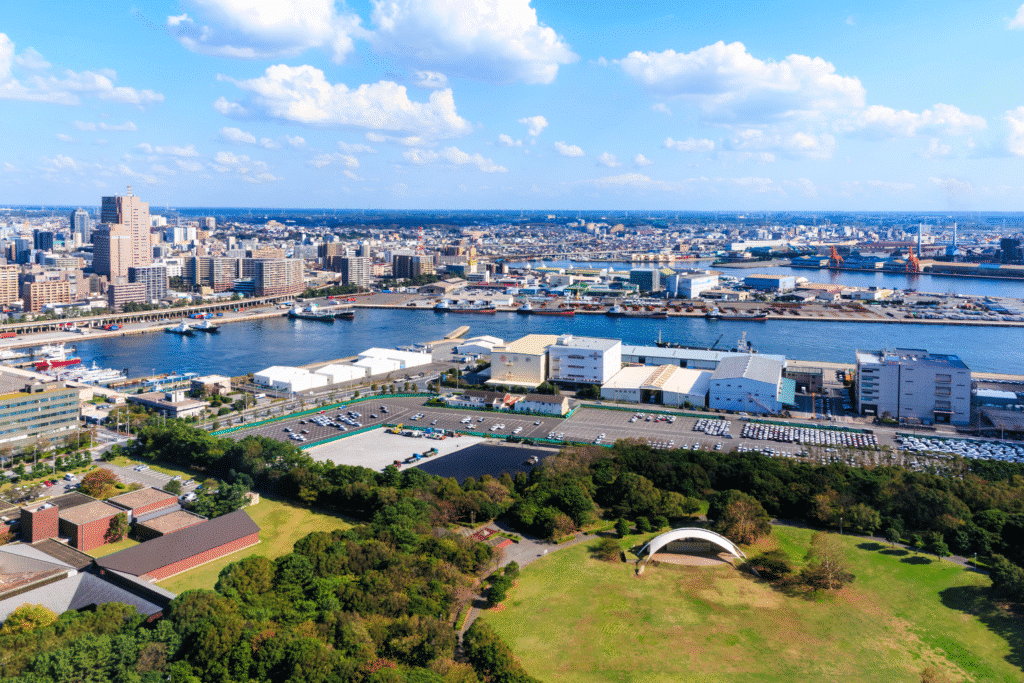
Chiba Weather in August: Temperature, Rainfall, & More Chiba, located conveniently near Tokyo, experiences warm and humid weather during the month of August. The average temperatures range from 76.6°F to 85.6°F (24.8°C to 29.8°C), making it the warmest month of…

Exploring Taxi Services in Chiba When navigating through Chiba, Japan, the question arises: are there reliable taxi services available in Chiba? With Chiba being a significant hub due to its proximity to Tokyo and Narita International Airport, taxi availability is…
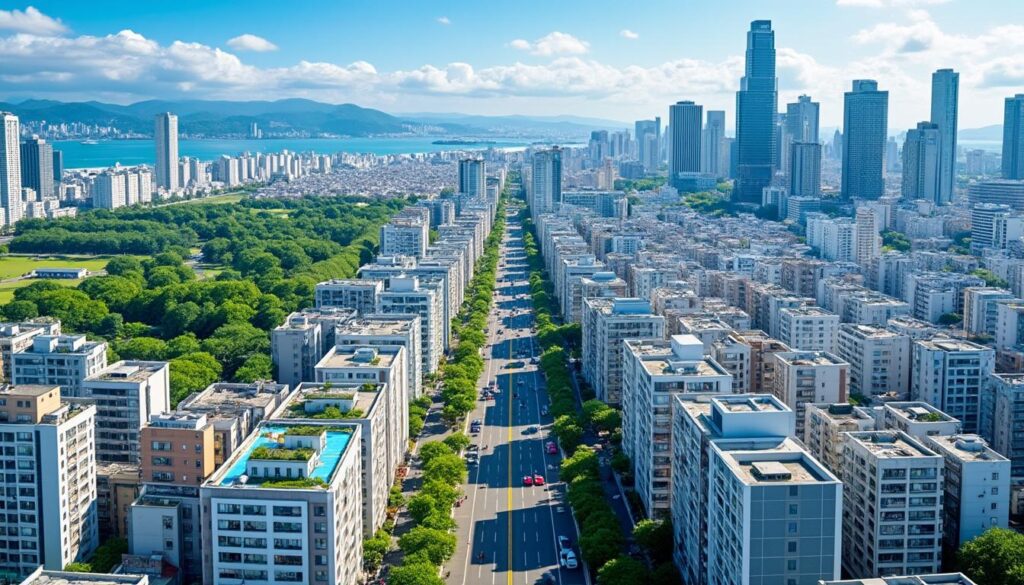
What is the population of Chiba?
Understanding the Population Dynamics of Chiba Chiba, a vibrant city situated in the Chiba Prefecture of Japan, is home to a diverse and dynamic population. As of the year 2025, the population of Chiba stands at approximately 960,566. Known for…

Does Virgin Atlantic fly to Chiba?
Exploring Flight Options to Chiba: Is Virgin Atlantic an Option? Chiba, a captivating city in Japan, draws numerous travelers due to its vibrant culture, historical sites, and close proximity to Tokyo. However, for those planning to travel there, a prevalent…
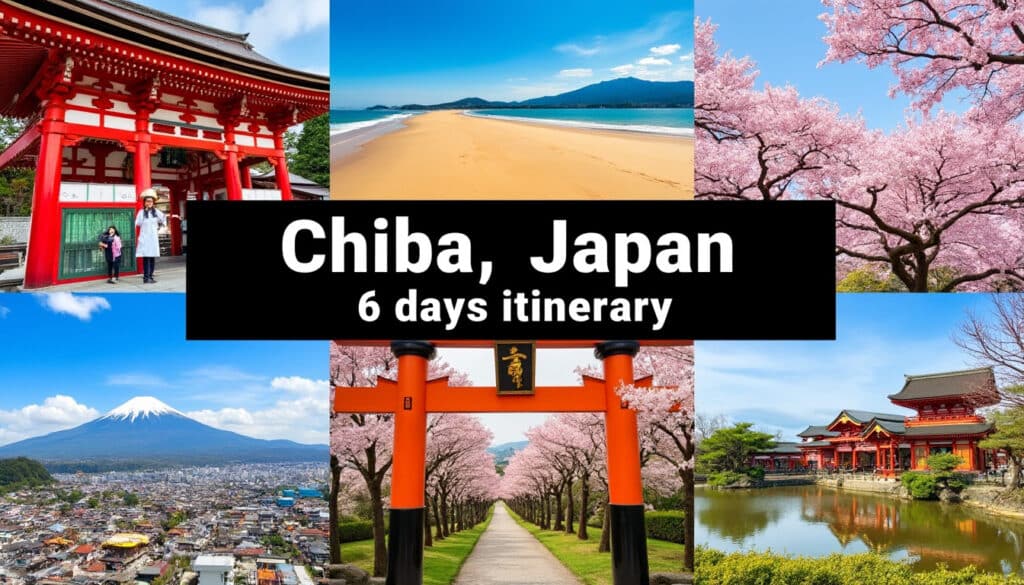
What to visit in Chiba in 6 days?
Planning a six-day itinerary in Chiba, Japan, offers travelers a delightful blend of cultural experiences, natural wonders, and urban adventures. Positioned just east of Tokyo, Chiba Prefecture is a diverse region that seamlessly combines historical sites, pristine beaches, and modern…
Chiba Prefecture, located just east of Tokyo, offers a multitude of attractions for those looking to explore the lesser-known parts of Japan. While frequently overshadowed by its bustling neighbor, Chiba holds its own with an array of activities and sites…

While Tokyo is often the first Japanese destination that comes to mind for international travelers, the adjacent Chiba Prefecture offers its own unique blend of attractions. With Narita International Airport as its primary entry point, Chiba serves as a gateway…
