
 Français
 Español
 Deutsch
 Italiano
Architecture and urban features of Chiba
As a bustling city located just east of Tokyo, Chiba offers a rich tapestry of urban design and architecture that reflects both its historical legacy and modern innovations. The city boasts a diverse array of structures, from historical castles to contemporary monorails, each contributing to Chiba’s distinct skyline. In exploring the intricate details of Chiba’s architecture, one can glimpse its evolution and understand the principles underpinning its urban planning. This exploration will delve into various iconic buildings and urban features, offering insights into the creativity and functional design that define Chiba’s architectural landscape.
Exploring the Architectural Heritage of Chiba
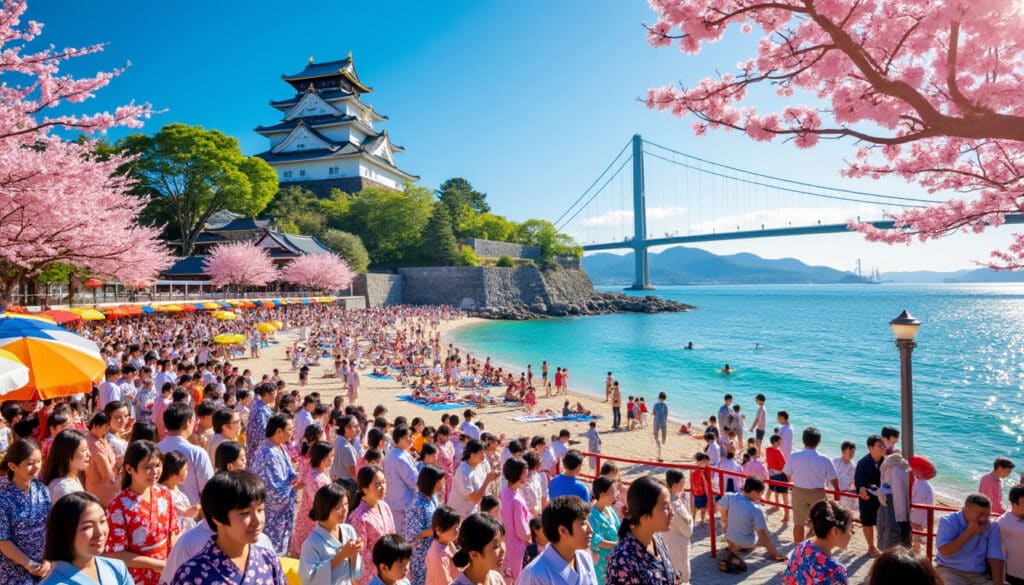
Chiba’s architectural heritage serves as a window into its storied past and cultural vibrancy. One of the must-see traditional structures is the Japanese castle, with Chiba Castle standing as a prime example. Unlike the more famous castles of Osaka or Nagoya, Chiba Castle offers a unique opportunity for visitors to delve into regional history and folklore. As the Chiba City Folk Museum, the castle provides not only a striking view of traditional Japanese architecture but also houses artifacts and exhibitions narrating the historical tapestry of the region.
From its fifth-floor observatory, visitors can enjoy a panoramic view of the city, which is a rare combination of urban sprawl and natural beauty. The journey to Chiba Castle from Tokyo takes under an hour and transitions from towering cityscapes to the serene charm of greener suburbs, illustrating the diversity of Chiba’s urban landscape. This scenic route underscores the importance of the castle’s location as a historic and cultural landmark that draws locals and tourists alike.
- 🗺️ Situated in the heart of Chiba City, easily accessible by public transport.
- 🏯 Offers hands-on cultural activities, such as kimono and samurai armor trials.
- 📜 Provides a rich narrative of the city’s evolution through curated exhibits.
The significance of Chiba Castle extends beyond its aesthetic and historical appeal. It represents a commitment by the Chiba Urban Development Agency to preserve architectural heritage while adapting to modern city life. The inclusion of cultural events highlights an effort to keep traditions alive in an ever-evolving urban environment. As visitors engage with these activities, they gain a deeper appreciation of Chiba’s unique blend of historical and contemporary cultures.

A Cultural Oasis in a Modern City
Chiba Castle itself is an architectural marvel, with each level meticulously crafted to reflect different periods of Japanese architectural styles. As a living museum, it offers educational resources and interactive displays that bring to life the stories of samurai and the Edo period. The integration of storytelling and cultural activities transforms the castle from a mere historic site into a vibrant cultural hub.
The castle’s strategic location within Chiba City is vital to its role as a cultural and educational center, bridging the gap between Chiba’s past and present. This seamless integration is a testament to the city’s effective urban planning strategies overseen by Chiba City Planning, which ensures that modern developments harmonize with historical sites.
Modern Innovations in Chiba’s Urban Design
While historical sites like Chiba Castle anchor the city in its past, Chiba’s modern innovations paint a picture of a city looking towards the future. A standout example is the Chiba Urban Monorail, which holds the title of the world’s longest suspended monorail. This innovative piece of engineering exemplifies how Chiba embraces cutting-edge technology in its urban transportation systems.
The monorail not only serves as a practical mode of transport across the city but also provides passengers with breathtaking views of Chiba’s dynamic skyline. It highlights the foresight of Chiba Skyline Architects in integrating efficient public transport with scenic city views, creating a harmonious urban environment.
- 🚝 Stretches over 15.2 kilometers, offering quick access across the city.
- 🌆 Provides a unique perspective of Chiba’s architectural diversity.
- 🛤️ Connects seamlessly with other transportation modes to enhance accessibility.
This focus on sustainable and innovative infrastructure is indicative of broader trends in Chiba’s urban development. It aligns with the city’s goals for reducing environmental impact while improving resident connectivity and convenience. The successful integration of the monorail into Chiba’s transport network demonstrates the city’s capacity for smart urban solutions, guided by the principles of the Chiba Urban Development Agency.
The strategic implementation of future-ready transportation like the Chiba Urban Monorail underscores the city’s commitment to forward-thinking urban design. By prioritizing sustainability, Chiba positions itself as a model for urban resilience in the face of climatic and environmental challenges.
Engineering Excellence and Environmental Harmony
Chiba is recognized for its proactive approach to integrating environmental considerations into urban development. The Chiba Urban Monorail is a prime example of this principle, designed to have minimal impact on the ground environment while maximizing efficiency. This reflects a broader ethos within Chiba’s urban planning to harmonize structural excellence with ecological stewardship.
In addressing potential environmental concerns, the Chiba Urban Design team incorporates sustainable practices, ensuring that projects not only meet the city’s immediate needs but also contribute positively to long-term ecological goals. This dual focus on immediate functionality and future sustainability positions Chiba as a leader in innovative urban design solutions.
The Role of Landscape in Chiba’s Urban Aesthetics
A distinct feature of Chiba’s urban landscape is the thoughtful integration of natural elements within the cityscape. The Chiba Landscape Architects play a significant role in designing spaces that celebrate the natural beauty of the region while providing residents with urban oases for relaxation and recreation.
From lush green parks to tranquil waterfront areas, Chiba’s urban design incorporates nature as an essential element of city living. Inage House, a traditional Japanese house surrounded by beautifully manicured gardens, offers a peaceful retreat within the bustling city. Here, visitors can experience a slower pace of life and reconnect with nature, highlighting how Chiba marries its cultural heritage with urban comforts.
- 🌳 Incorporates expansive parklands within the city for recreational use.
- 🏞️ Develops urban green spaces strategically to enhance aesthetic appeal.
- 🌿 Promotes biodiversity and environmental health within urban settings.
Such initiatives are part of a city-wide strategy by the Chiba Urban Development Agency to enhance the quality of life by making urban environments more livable and sustainable. These green spaces not only contribute to Chiba’s aesthetic value but also offer practical environmental benefits, such as reducing urban heat effects and improving air quality.
Balancing Urban Progress with Environmental Stewards
Chiba’s landscape architecture emphasizes the importance of preserving natural ecosystems within urban settings. As cities globally grapple with environmental sustainability, Chiba sets a precedent for integrating green infrastructure that aligns with broader environmental objectives. Initiatives led by the Chiba Architecture Group illustrate how cities can evolve while respecting natural habitats and promoting ecological resilience.
The focus on green spaces reflects a commitment by city planners to create environments where people can thrive while maintaining a balanced ecosystem. These efforts ensure that as Chiba continues to expand, it does so with an inherent respect for nature, serving as a model for sustainable city planning worldwide.
Chiba’s Commitment to Sustainable and Resilient Design
Sustainability is a core tenet of modern architecture in Chiba, with Chiba Sustainable Design initiatives leading the way in creating buildings and public spaces that minimize environmental impact. Local architects and planners emphasize the use of sustainable materials and energy-efficient designs, ensuring that future developments align with environmental preservation goals.
From energy-efficient residential buildings to eco-friendly public infrastructure, Chiba demonstrates a commitment to building a sustainable future. The city’s approach to reducing its carbon footprint involves utilizing cutting-edge technologies and engaging the community in ongoing sustainability efforts.
- 🏢 Utilizes renewable energy sources extensively in new projects.
- 🔧 Incorporates energy-saving technologies across public facilities.
- 🌍 Engages in community-based sustainability projects.
This focus on sustainability is not only about preserving the environment but also about ensuring long-term resilience against climate-related challenges. Chiba has implemented measures to mitigate the impacts of flooding and other natural risks, which are crucial considerations in its urban planning processes.
The city’s ongoing commitment to sustainable urban development is a reflection of its forward-thinking ethos, with initiatives aimed at maintaining a delicate balance between urban expansion and ecological preservation. By championing innovative, eco-friendly solutions, Chiba exemplifies how cities can grow responsibly and sustainably.
Innovative Structures for a Sustainable Future
Chiba’s architects and urban planners are at the forefront of designing structures that embody innovative sustainability principles. The pursuit of sustainable design goes hand-in-hand with technological innovation, as seen in Chiba’s adoption of smart building technologies and renewable energy systems.
These structures not only serve as functional spaces but also as testaments to the city’s commitment to future-proofing its infrastructure against environmental challenges. By fostering a culture of innovation and sustainability, Chiba positions itself as a pioneer in the global movement towards green urban development.
Infusing Tradition into Urban Design
Despite the city’s modern advancements, Chiba remains deeply rooted in tradition, blending its rich cultural heritage with contemporary urban designs. This harmonious integration is apparent in various architectural projects that pay homage to traditional Japanese aesthetics while incorporating modern functionality.
Projects such as the renovation of historical buildings and the construction of community centers with traditional elements showcase Chiba’s dedication to preserving its cultural identity. The city’s urban planning strategy effectively balances tradition with progress, demonstrating respect for historical legacies alongside the pursuit of modernity.
- 🏛️ Renovates historic sites to blend with modern cityscapes.
- 🎎 Orchestrates cultural events in conjunction with new development.
- 🌸 Enhances urban charm by incorporating traditional aesthetics.
This commitment to incorporating traditional elements into urban development plans reflects a broader cultural ethos. Chiba stands as a model for cities aiming to preserve cultural heritage without stifling urban innovation, proving that the past and future can coexist beautifully.
Discover the nuances of Chiba’s local culture and see how it influences the city’s architectural narrative. As Chiba evolves, it continues to honor its historical roots while embracing the potential of modern urban design.
Preserving Heritage While Embracing Change
The architectural narrative of Chiba is not only a record of its past triumphs but a blueprint for its future. As a city that effectively marries tradition with change, Chiba offers valuable lessons in cultural preservation amidst rapid urbanization.
Chiba exemplifies how cities can navigate the complexities of modernization while cherishing their cultural heritage. Through thoughtful urban planning and architectural innovation, Chiba continues to chart a course that respects its past and anticipates its future. It stands as a testament to the resilience of cultural heritage and its role in shaping vibrant, inclusive cities.
FAQs
| Question | Answer |
|---|---|
| What is the best time to visit Chiba? | Chiba is pleasant in spring (March to May) when cherry blossoms bloom, and autumn (September to November) for its mild weather and colorful foliage. For more information on monthly weather, visit this link. |
| Is Chiba Castle accessible for people with disabilities? | Yes, Chiba Castle is equipped with facilities to assist visitors with disabilities, ensuring an inclusive experience for all. |
| How does Chiba incorporate sustainable practices in its urban planning? | Sustainability is prioritized through the seamless integration of green spaces and energy-efficient designs across new developments. For more on Chiba’s sustainability efforts, refer to additional resources. |
| What makes the Chiba Urban Monorail unique? | It is the longest suspended monorail in the world, providing a unique aerial view of Chiba’s diverse architectural landscape. |
| Can we experience traditional Japanese culture in Chiba? | Yes, through sites like Chiba Castle and Inage House, along with numerous cultural events held throughout the year. Visit cultural insights to find more. |
Fun Facts & Curiosities About Chiba
🌟 Nestled on Japan’s eastern coastline, Chiba Prefecture is a hidden gem in the Land of the Rising Sun. Known for its rich blend of history, culture, and breathtaking landscapes, Chiba is more than just Tokyo’s neighbor. It offers captivating…

Nestled in the Kanto region of Japan’s Honshu Island, Chiba Prefecture is a unique blend of urban appeal and natural beauty, offering a plethora of experiences for visitors and locals alike. Boasting a significant role in Japan’s economy, Chiba is…

Chiba is a fascinating prefecture that offers a unique blend of urban conveniences and natural beauty, nestled in proximity to the bustling metropolis of Tokyo. While it may not be as internationally renowned as its neighboring capital, Chiba has carved…

Demographics and geography of Chiba
Chiba, a vibrant prefecture situated in the heart of Japan, offers a fascinating glimpse into the interplay of population dynamics and geographic diversity. With its unique position neighboring Tokyo and extending to the Pacific Ocean, Chiba’s demographic landscape is continuously…

Located on the eastern coast of Honshu, Chiba Prefecture stands as a testament to Japan’s rich history and cultural evolution. Nestled in the impressive Kanto Plain, Chiba has been a witness to pivotal moments in time and the lives of…

Holidays and celebrations in Chiba
Chiba, a captivating blend of tradition and modernity, offers a unique cultural tapestry through its rich holidays and vibrant celebrations. From traditional matsuri (festivals) that honor historical roots to contemporary extravaganzas that light up the night sky, Chiba’s festivities capture…

Language and spelling of Chiba
Chiba, a vibrant prefecture bordering Tokyo, is not only a hub for tourists, but also for linguists interested in the interplay of language and culture. As an example of modern Japan, Chiba showcases an intriguing blend of traditional and contemporary…

Local tips for tourists in Chiba
Chiba Prefecture, located just east of Tokyo, is renowned for its major international gateway, Narita Airport, but it holds many hidden treasures that offer a blend of both urban and rural experiences. From the enchanting allure of Tokyo Disney Resort…

Names, flags, and identity of Chiba
Chiba Prefecture, located on the eastern edge of Japan’s Honshu Island, is a region filled with vibrant history, cultural symbols, and distinct identity markers. Understanding Chiba requires delving into its rich tapestry of names and flags that symbolize its journey…

Reputation and identity of Chiba
Chiba, nestled in the vibrant Kanto region of Japan, boasts a distinct blend of tradition and modernity. As one navigates the cityscape, they’re greeted with an eclectic mix of the ancient and the new, where historic landmarks harmonize with cutting-edge…

Understanding the intricacies of time and time zones in Chiba, Japan, is essential for travelers and residents alike. Chiba, a vibrant city nestled close to Tokyo, operates on Japan Standard Time (JST), which is 9 hours ahead of Coordinated Universal…

Unusual facts and social issues in Chiba
Chiba Prefecture, nestled in the Kanto region of Japan, offers a treasure trove of unique facts and multifaceted social issues, making it a fascinating area of study. This vivid prefecture is known for its blend of lush greenery and bustling…

What does Chiba look, smell, feel like?
Chiba Prefecture, nestled next to the bustling metropolis of Tokyo, offers an intriguing mix of urban sophistication and rural charm. This Japanese region is renowned for its vibrant landscapes, rich history, and diverse attractions, making it a fascinating destination for…