
 Français
 Español
 Deutsch
 Italiano
Chiba, a city brimming with cultural heritage and modern allure, is a destination that beckons travelers from around the globe. Nestled in the east of Japan, it operates on a time zone that is as consistent as its bustling city life – the Japan Standard Time, abbreviated JST. Located within the Asia/Tokyo time zone, this bustling city is a beacon of punctuality and precision, reflecting Japan’s wider reputation for efficiency. Whether planning to navigate the city’s array of enthralling events or syncing schedules between international destinations, understanding Chiba’s time zone is crucial for both tourists and locals alike.
Understanding Japan Standard Time (JST) and Chiba
The time zone in which Chiba operates is known as Japan Standard Time (JST). This designation is part of the broader Asia/Tokyo time zone, an integral framework for maintaining schedules across Japan’s network of densely populated cities. The consistency of Chiba’s time zone offers notable advantages for regional coordination. Unlike many Western countries, Japan does not observe Daylight Saving Time (DST). Thus, time tracking remains consistent throughout the year without unexpected shifts.
This lack of DST means Chiba time stays reliably GMT+9 year-round, aligning with other major Japanese cities, like Tokyo and Osaka. This stability simplifies numerous facets of life and business. For instance, systemic operations across sectors such as transportation, retail, and hospitality are synchronized seamlessly. Extended coordination simplifies everything from everyday transactions to scheduling public services. In fact, this can be particularly useful for planning local events and activities, where precision timing is critical.
In Chiba, the predictability of daylight hours further complements this stable timekeeping. From as early as 4:50 AM sunrises during the peak of summer to calm 6:40 PM sunsets, it offers enough daylight for travelers to explore and locals to manage errands effectively.
The Influence of JST on Business and Travel
For businesses, the absence of daylight saving shifts means employees and partners around the globe can communicate and plan without concern for seasonal time changes. International partners, especially those from regions like Europe and North America where DST can disrupt plans, find Japan’s stable time zone advantageous.
Travelers too, benefit significantly. The Japan Time Zone allows tourists to plan with certainty, enjoying attractions such as the city’s historic sites or vibrant local markets without the confusion of time shifts. Whether it’s catching a train at the bustling Chiba Station or marveling at a cultural festival, knowing the Chiba Local Time ensures seamless exploration.
As Chiba grows as a tourist hub, understanding its time implications can help manage expectations and enhance the overall experience. Whether it’s preparing for seasonal activities, like wearing the right attire as advised at Chiba’s fashion guide, or catching a morning event, knowing the schedule enhances visits.
Chiba’s Urban and Regional Coordination
Chiba, with its 979,768 residents, stands as a pivotal urban center in Eastern Asia. The synchronization under Tokyo Time ensures that Chiba’s 76 communities and cities operate smoothly, aiding everything from shipment schedules to local government functions.
Regional Time Coordination is vital for integrating economic activities across these areas. Businesses in Chiba enjoy synchronized scheduling, promoting efficiency and reducing logistical hurdles. This streamlined coordination supports everything from retail operations to public transportation, ensuring commutes and shipments run without hitch.
| Key Factors | Benefits |
|---|---|
| Consistent Timekeeping | Facilitates smooth urban and business operations |
| No DST Shifts | Reduces confusion and aids international planning |
| Chiba as a Reference Point | Ensures reliable schedules for events and activities |
From coordinating large-scale events to adjusting minor municipal operations, Chiba Standard Time plays a pivotal role in making the city function efficiently. Whether planning a new company meeting, syncing team communications globally, or scheduling local community events, reliable timekeeping is non-negotiable.
Cultural and Social Impacts of Time Consistency
Chiba’s consistent time zone influences cultural engagement as well. Community-based events and gatherings find a rhythm through reliable scheduling. Whether it’s traditional festivals or modern concerts, residents and tourists alike can enjoy these happenings without timing mishaps. The absence of daylight changes ensures that educational programs and social events can flourish on predictable timelines, enhancing cultural enjoyment and engagement.
Practical Travel Tips for Dealing with Chiba Time
While the consistency of Chiba’s time zone simplifies many aspects for visitors, careful planning enhances these advantages. Here are some practical tips:
- 📅 Schedule Adjustments: Adjust your personal devices to Chiba GMT+9 before traveling to avoid confusion.
- 🏮 Event Planning: Check local schedules for exact event timings. Most festivals and events align strictly with Chiba Local Time.
- 💬 Communication: Understand time differences when calling back home. For example, connecting with New York might require a 13-hour calculation.
Having essential details like the time of sunrise or sunset can aid in planning your itinerary for each day. Knowing what time the sun rises in Chiba can help early risers catch the best view of the dawn while sunset schedules can guide evening plans.
The knowledge that there are no daylight saving adjustments means travelers can maintain a consistent sleep schedule, an important factor for adapting to a new time zone efficiently. Synchronizing smartphones and travel clocks reduces instances of being off-schedule and enhances the travel experience.
Maintaining Consistency and Stability Without DST
Japan’s decision to remain without daylight saving adjustments has long been a point of interest and discussion. The choice to maintain the same time year-round is grounded in simplifying life for both locals and businesses. This approach supports seamless public operations, such as transportation and services, which rely on precise timing.
Chiba, as part of the larger Eastern Asia Time zone, benefits from this decision, which in turn bolsters local infrastructure. Everything from public transport schedules to healthcare service timings depends on this stability. This approach is particularly beneficial for tourists, who can plan their trips without worrying about sudden time shifts disrupting their schedules.
The cultural emphasis on punctuality and predictable routines ensures that Chiba Local Time serves as a reliable touchstone for both residents and the growing number of international tourists. This reliability not only improves everyday functioning but also supports long-term planning and the city’s economic integration into the global market.
Conclusion: Embracing Chiba Time for an Enhanced Experience
Ultimately, understanding the implications of the Asia/Tokyo time zone is indispensable for anyone involved with or planning to visit Chiba. Whether dealing with business matters, participating in local culture, or simply navigating everyday life, acknowledging Chiba Standard Time as an unchanging constant enhances both stability and peace of mind.
The city’s punctuality aligns seamlessly with Japan’s cultural emphasis, making it a coherent aspect of Chiba’s identity. Embracing this precision allows smoother transitions, less confusion, and an overall higher travel experience.
FAQ: Navigating Chiba’s Time Zone
- Does Chiba observe Daylight Saving Time? 🌞 No, Chiba operates under JST and does not adjust for daylight saving, maintaining time consistency all year.
- How does Chiba’s time affect international business? 💼 The consistent time frame eases global communication, avoiding confusion from sudden time changes.
- What is the best way to adjust to Chiba’s time zone? ⏰ Gradually align personal schedules with Chiba time a few days before traveling. This helps accommodate the GMT+9 shift efficiently.

What time is sunrise in Chiba in May?
Understanding Chiba’s Sunrise Patterns in May Chiba, Japan, experiences remarkable transitions in daylight during May. As spring fully blossoms, the city witnesses a gradual increase in day length, making it an ideal time for early risers and nature enthusiasts. On…

Understanding Chiba’s November Climate Chiba, Japan, known for its rich cultural history and proximity to Tokyo, offers an intriguing climate that shifts noticeably with the seasons. In November, as autumn begins to make way for winter, Chiba experiences a cool…

Are there mosquitoes in Chiba?
The Presence of Mosquitoes in Chiba Chiba, located in the Kanto region of Japan, is known for its lush landscapes and coastal beauty. With the abundance of greenery and water sources, it’s only natural to wonder about the presence of…
What is the weather like in Chiba in December?
Understanding the December Weather in Chiba During December, Chiba experiences a transition into winter, with a noticeable shift in both temperature and climate. The proximity to the Pacific Ocean gives Chiba a milder winter compared to other regions in Japan.…

How often does it snow in Chiba?
Exploring the Snowfall Patterns in Chiba, Japan Chiba, a coastal area of Japan, is known for its diverse weather patterns. Unlike the more mountainous regions like Hokkaido or Nagano, snowfall in Chiba is a rare occurrence. Understanding the frequency of…

Is February a good time to visit Chiba?
Understanding Chiba’s Weather in February February brings with it a mild winter to Chiba Prefecture, making it an attractive destination for those who appreciate cooler climates without the extreme cold associated with other regions of Japan. Chiba, with temperatures typically…

Peak Times for Autumn Foliage in Chiba In Chiba, the arrival of autumn is marked by a gradual transformation of its scenic landscapes from the lush greens of summer to the fiery reds, oranges, and yellows that epitomize the season.…
What is the temperature in Chiba in spring?
Springtime in Chiba, Japan, is a season of vibrant transformation and beauty. Known for its mild, pleasant weather, this period offers a delightful experience for residents and tourists alike. During spring, Chiba’s landscape bursts into color as cherry blossoms and…
Does it rain in Chiba in July?
When planning a trip to Chiba in July, understanding the weather patterns is essential for a comfortable and enjoyable experience. July in Chiba is known for its high temperatures and significant rainfall, making it a month that requires preparation for…

What is the weather like in Chiba in winter?
Winter in Chiba might not mirror the snow-covered landscapes often associated with Japanese winters, yet it holds its own unique charm. Located near Tokyo, Chiba is known for its relatively mild weather in winter, offering travelers and locals a comfortable…
How hot does Chiba get in the summer?
Understanding Chiba’s Summer Heat: Weather Patterns and Temperature Trends Chiba, Japan, is renowned for its scorching summer months, characterized by a humid subtropical climate. This climate classification is common in regions with hot, humid summers and mild winters, and Chiba…
What is the weather like in Chiba in summer?
Chiba, a bustling city near Tokyo, offers a unique blend of vibrant city life, cultural heritage, and picturesque landscapes. However, visitors planning a summer trip to Chiba should be well-informed about the weather conditions during this period. Known for its…

What time is sunrise in Chiba in September?
Nestled in the bustling Kanto region of Japan, Chiba is a prefecture that captures the imagination with its mix of urban landscapes and lush natural beauty. As the sun begins its course in the east, residents and visitors alike often…

What is the average temperature in Chiba?
Nestled in the heart of Japan, Chiba is a prefecture known for its rich history, vibrant attractions, and distinctive climate. As tourists flock to attractions like Tokyo Disney Resort and Narita-san Temple, understanding Chiba’s weather patterns can greatly enhance the…

Each year, Chiba beckons travelers with promises of vibrant city life set against serene coastlines and lush greenery. When August arrives, the city transforms into a warm haven, enticing both locals and tourists to explore its many offerings. This month…

What time is sunset in Chiba in January?
The city of Chiba, renowned for its scenic beauty and rich culture, has a unique charm in January. As the first month of the year unfolds, visitors and residents alike may find themselves wondering about the sunset timing. Not only…

What time is sunset in Chiba in July?
In the heart of the Japanese archipelago lies Chiba, a prefecture known for its unique blend of modernity and tradition. As July rolls around, the long daylight hours present an opportunity for both locals and tourists to explore its scenic…
Chiba, a coastal region in Japan, often surprises with its mild winter landscape, contrasting the snow-laden imagery typically associated with Japan. Nestled near Tokyo, Chiba experiences a unique climate that attracts tourists year-round, particularly those seeking a break from the…
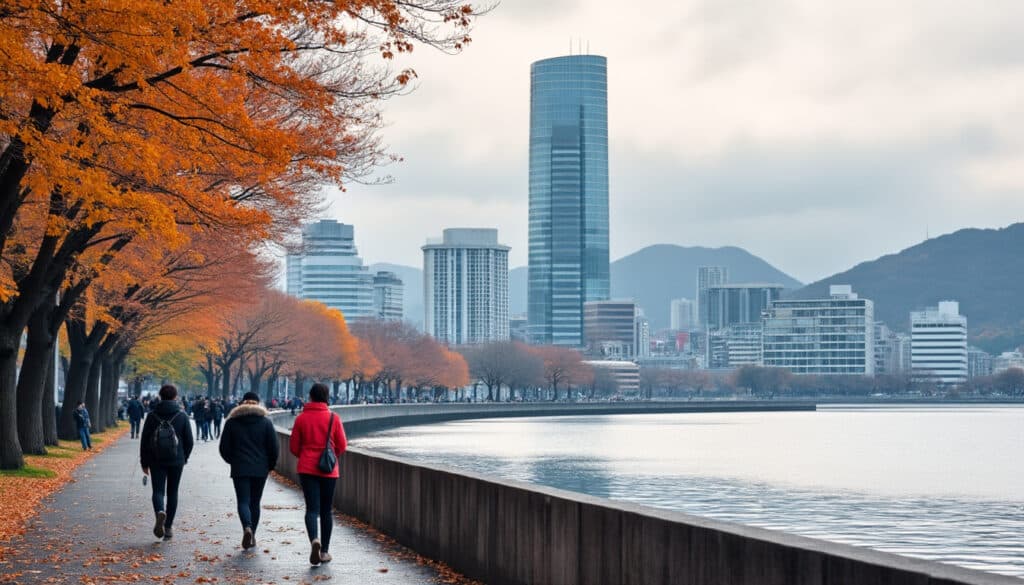
How cold is Chiba in November?
Planning a visit to Chiba in November? It’s essential to understand the weather dynamics to make the most out of your trip. Chiba experiences a unique blend of mild and chilly weather during this month, making it a fascinating time…
