
 Français
 Español
 Deutsch
 Italiano

The Origins of Chiba: Tracing the Historical Roots
The city of Chiba holds a significant place in Japanese history, with its roots tracing back to ancient times. Located on the east coast of Japan in the Bōsō Peninsula, Chiba has been a crucial part of the region’s development. Understanding its origins provides valuable insights into how this city became a vital component of Japan’s economic and cultural landscape.
Ancient Connections: Chiba’s Early Settlements
Long before the establishment of the modern city, Chiba was home to early settlements that played a role in regional development. Archaeological evidence suggests that these settlements existed as early as the Jomon period, around 14,000 BC. These early inhabitants were primarily hunter-gatherers, and their legacy is evident in the artifacts found in Chiba Prefecture.
Feudal Era: The Rise of Chiba as a Castle Town
Moving forward to the feudal era, Chiba became more defined as a castle town. During this period, it was under the control of the Chiba clan, who contributed significantly to the area’s growth. The clan established Chiba Castle, which became a center of power. This strategic location allowed Chiba to thrive as a hub for trade and governance, influencing its development throughout the centuries.
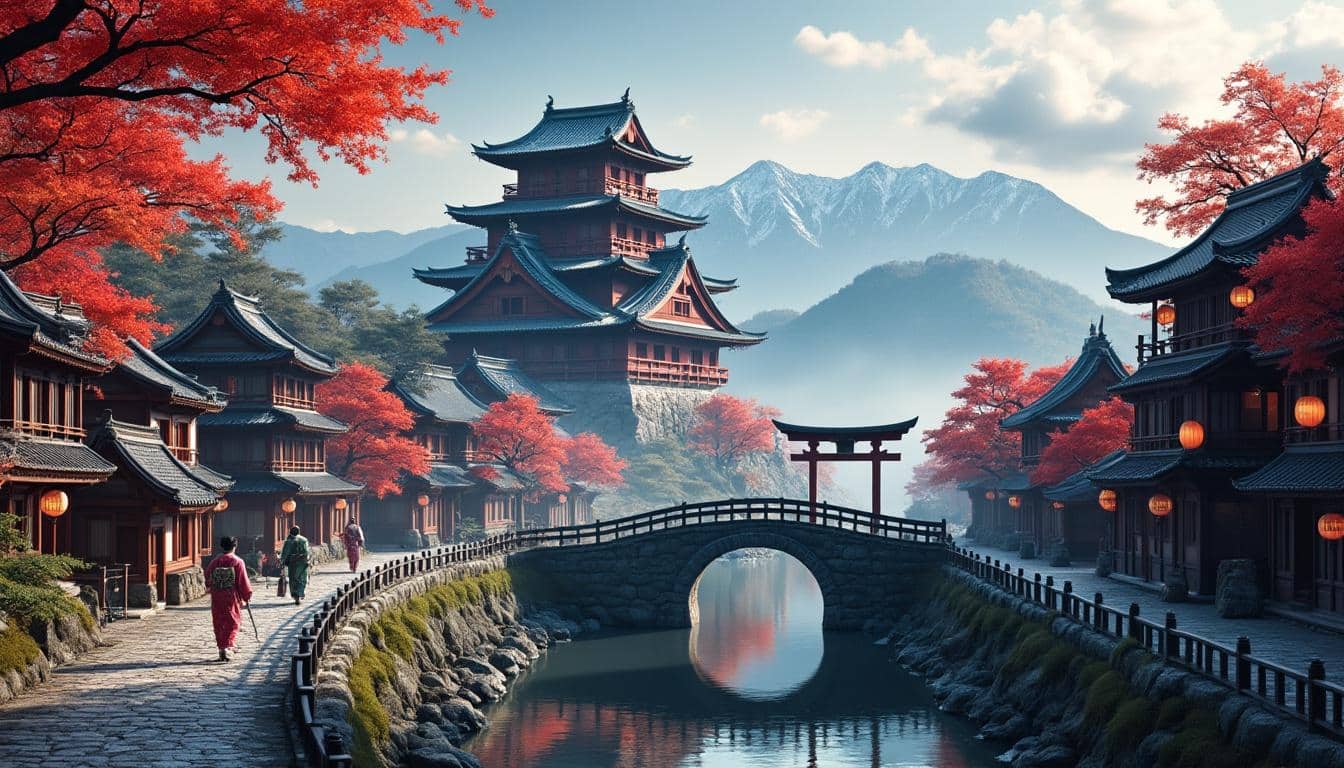
Chiba’s position near Tokyo Bay further enhanced its importance. This proximity facilitated trade and interaction with other regions, fostering a melting pot of cultures and ideas. The town’s events, such as traditional markets and festivals, reflected a blend of influences, laying a cultural foundation that continued into modern times.
As we trace the historical origins of Chiba, it’s clear that the city’s foundation was not laid by a single individual. Instead, it was shaped by various influences over time, each playing a part in its progression from ancient settlements to a bustling town and finally into a recognized city.
The Founding Figures of Chiba: Clans and Influences
While Chiba does not have a singular founding figure, several groups played crucial roles in shaping its identity. Among them were powerful clans whose legacies influenced not only Chiba but also the broader region. This section explores these key contributors to the city’s establishment.
The Chiba Clan: Pioneers of Governance
The Chiba clan stands out as a major influential force in the city’s early development. Established in the Kamakura period, this clan governed as an influential warrior family, controlling the area and contributing to the construction of infrastructure, including Chiba Castle. Their role as governors helped solidify Chiba’s place on the map, both in terms of geography and historical significance.
The clan’s rule was marked by its contributions to the local economy, governance structures, and cultural practices. The legacy of the Chiba clan is evident in historical records and the lasting facilities that bear their influence, solidifying their place in the early narrative of Chiba’s founding.
Economic and Cultural Growth
Beyond governance, the Chiba clan facilitated economic growth by encouraging agriculture and trade. These initiatives were crucial in establishing Chiba as a center of commerce. The region’s fertile lands allowed for productive farming, with rice and other crops being major agricultural products, supporting local and regional economies. Cultural practices and festivals from this era also laid the groundwork for Chiba’s identity as a city rich in tradition.
Moving forward, other influential figures from adjacent areas also impacted Chiba’s development. Merchant families, traders, and artisans brought new ideas, techniques, and cultural practices, enriching the diversity within the city and adding layers to its history.
The combined efforts of these various entities and individuals established Chiba as more than just a geographical location. It became a vibrant community characterized by cultural exchange and economic prowess. These foundations paved the way for the modern city we know today.
Chiba’s Evolution into a Modern Municipality
The transformation from ancient settlement to a modern city was marked by several pivotal moments. Understanding these transitions helps illustrate how Chiba grew from its historical roots into a contemporary urban hub, essential to both its residents and broader Japan.
Municipality Status and Modernization
Chiba’s designation as a municipality marked a significant step in its modern development. Officially becoming a city in 1921, Chiba began to undergo urbanization and modernization initiatives, aligning with Japan’s broader industrial expansion. The city’s infrastructure improved with better roads, public services, and increased commercial activities, which attracted more residents.
| Year | Event | Impact |
|---|---|---|
| 1921 | Chiba becomes an official city | Initiated urban development |
| 1969 | Chiba Port expansion | Boosted trade and industry |
| 1992 | Became a government-designated city | Increased administrative autonomy |
The construction of Chiba Port significantly influenced this development by enhancing the city’s role in trade. The port facilitated the exchange of goods and services, making Chiba an attractive destination for businesses and fostering economic growth. This expansion aligns with the broader industrialization trends experienced across Japan during the mid-20th century.
By 1992, Chiba had gained status as a government-designated city, granting it increased autonomy in administrative matters and enabling more localized governance. This milestone reflected the city’s growth and its vital role within the Chiba Prefecture and the nation as a whole.
The Cultural and Economic Impact on Modern Chiba
Today, Chiba is a thriving metropolis with a vibrant cultural scene and an active economy. Its historical roots and the everlasting influence of its founding figures continue to shape its identity. This section explores the modern-day implications of these historical developments.
Economic Landscape of Chiba
Chiba’s economy has diversified significantly. It hosts numerous industries, from manufacturing to services, with the Chiba Bank playing a pivotal role in financial services within the region. This bank, established in the aftermath of the Second World War, reflects Chiba’s commitment to local economic empowerment.
Moreover, Chiba’s proximity to Tokyo has positioned it as a key commuter city. This connection benefits both Chiba’s residents and those working in Tokyo, influencing housing and public transport developments in the region. The city’s infrastructure growth, including Chiba Monorail and well-planned roads, facilitates seamless connectivity between these major centers.
Cultural Significance and Tourism
In terms of cultural impact, Chiba remains integral with its rich tapestry of festivals, historical sites, and modern attractions like the Tokyo Disney Resort located in Urayasu, part of Greater Chiba. These features attract tourists from Japan and abroad, providing a significant boost to the local economy.
Chiba continues to celebrate its history through various cultural events. Traditional festivals and community celebrations preserve and promote the cultural heritage fostered through centuries of growth and change. Such events ensure that the spirit of Chiba’s origins remains alive, offering locals and visitors alike a glimpse into its storied past.
Today, Chiba stands as a testament to the collaborative efforts of its early settlers, influential clans, and modern city planners. The city’s ongoing evolution and adherence to its roots create a dynamic balance between history and progress.
Looking Forward: Chiba’s Future Trajectory
As Chiba moves further into the 21st century, its strategic location, robust economy, and cultural depth present opportunities and challenges. Building on its historical foundations, Chiba’s journey continues towards innovative urban development and ecological sustainability.
Sustainable Development Goals
Environmental considerations are becoming increasingly significant in Chiba’s development plans. Given its coastal location, the city is prioritizing sustainable growth to minimize environmental impacts. Initiatives include the promotion of green technologies and infrastructure, aligning with global efforts such as the United Nations’ Sustainable Development Goals.
Urban planning efforts focus on enhancing public transport options, reducing traffic congestion, and promoting pedestrian-friendly city spaces. These measures aim to improve the quality of life for residents while accommodating continuous growth.
Fostering Innovation and Continuity
Chiba’s future trajectory includes fostering innovation through technology hubs and educational institutions. The city is investing in research and development to stimulate economic growth and remain competitive in an increasingly digitized world. Collaboration with international partners further enhances these initiatives, ensuring Chiba remains at the forefront of global advancements.
- Enhancing digital infrastructure
- Promoting eco-friendly initiatives
- Supporting cultural preservation
- Encouraging international collaboration
Chiba’s integration of modern advancements with traditional elements ensures a unique identity that honors its origins while adapting to contemporary demands. As it progresses, the city remains committed to its historical legacy and continuous improvement for future generations.
Exploring Chiba: The Gateway to Japan’s Natural and Cultural Riches Nestled in the eastern part of the Greater Tokyo Area, Chiba is a captivating blend of modernity and tradition. Known for its scenic landscapes and vibrant cultural landmarks, Chiba serves…

What time is breakfast in Chiba?
Discovering Traditional Breakfast Times in Chiba, Japan Chiba, a vibrant city located near Tokyo, is renowned for its beautiful landscapes and rich cultural heritage. Tourists visiting Chiba may wonder about the traditional breakfast times and dining customs in this region.…
What is the cost of living in Chiba?
Nestled just outside the hustle and bustle of Tokyo, Chiba offers a unique living experience combining both urban and suburban delights. For those considering a move or extended stay in Chiba, understanding its cost of living is essential. Boasting lower…
Does Chiba celebrate Valentine’s Day?
In the heart of Japan, Chiba offers a unique fusion of tradition and modernity, and this is particularly evident in its celebration of Valentine’s Day. While this holiday has Western origins, its influence has seeped into the cultural fabric of…
How to live in Chiba as a Canadian?
Chiba, a vibrant city with deep-seated cultural roots and modern attractions, offers a unique blend of nature, history, and metropolitan convenience. Moving here as a Canadian might seem challenging, but the seamless integration of the city’s amenities and lifestyle can…
