
 Français
 Español
 Deutsch
 Italiano
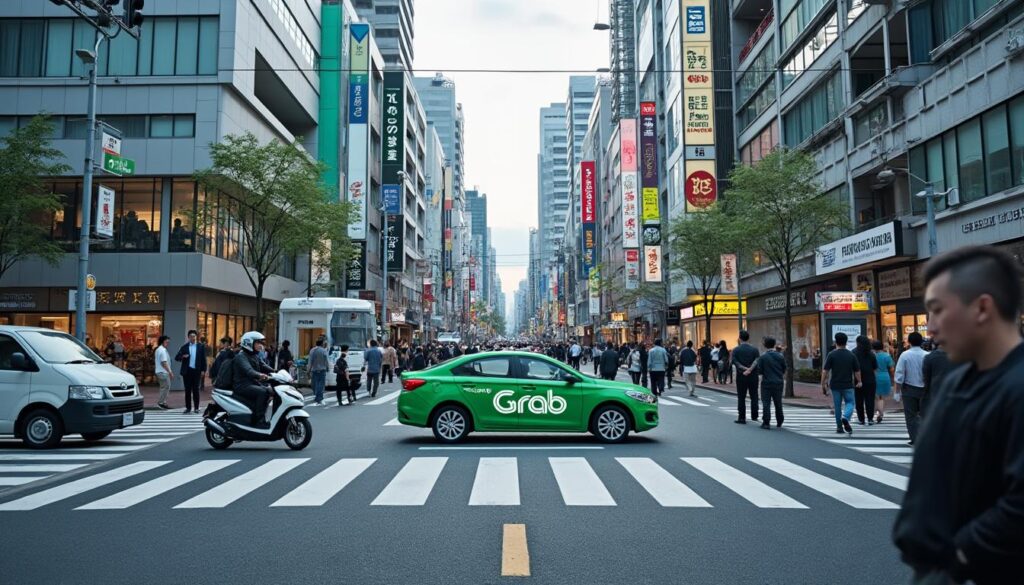
Exploring Ride-Hailing Options in Chiba
Chiba, a vibrant city in Japan, offers diverse transportation options to both locals and tourists. As technology evolves, the integration of ride-hailing services has transformed how people navigate urban landscapes. But the question remains, does Chiba have Grab or similar services available? This exploration delves into the ride-hailing environment in Chiba, analyzing the alternatives to Grab and how they affect daily transportation.
Ride-hailing apps have dramatically changed urban mobility, especially in cities like Tokyo. However, Chiba’s ride-hailing landscape is still evolving. Traditionally, Japan has relied heavily on taxis and public transportation systems, known for their punctuality and efficiency. While apps like Grab have gained popularity in Southeast Asia, Chiba requires a closer look to understand the current market offerings.
Alternative Ride-Hailing Services
Though Grab is not currently operating in Chiba, alternatives exist that cater to different transportation needs. Japan’s own ride-hailing platforms offer various services comparable to those of Grab. Gett in Chiba highlights the significant role of domestic apps that fill this gap, ensuring residents and visitors can move around conveniently.
Key Features of Ride-Hailing Apps in Chiba
The ride-hailing apps available in Chiba focus on user-friendly approaches and seamless integration with local payment methods. For example, apps like DiDi and S.Ride provide features such as real-time tracking, multiple payment options, and an extensive network of drivers. These platforms ensure accessibility through apps available in multiple languages, catering to both the local and international community.
Understanding the Impact on Local Transportation
The integration of ride-sharing services into Chiba’s transportation system impacts local traffic dynamics and commuter choices significantly. As ride-hailing apps become more prevalent, they offer a valuable alternative to conventional taxi services and public transport. This increase in options contributes to an adaptable and flexible environment for daily commutes.
Despite the absence of Grab, the local services in Chiba compensate by tailoring their offerings to meet specific needs. Many platforms provide special services for events, catering to large groups or additional luggage requirements, ensuring that every traveler finds an option suited to their circumstances.
Balancing Traditional and Modern Methods
Chiba’s transportation scene remains a mix of traditional methods such as buses and trains, alongside modern app-based services. The city has successfully managed to integrate these services into its existing infrastructure. Platforms using digital interfaces now complement established systems, increasing overall efficiency while maintaining the reliability expected of Japanese transport.
These changes have not only made trips within Chiba more flexible but have also opened avenues for exploring further afield. The ability to switch between public and private transport seamlessly makes traveling more convenient for both residents and tourists.

Challenges and Considerations for Ride-Hailing Apps
Operating ride-hailing services in a city like Chiba comes with its own set of challenges and considerations. Regulatory environments, cultural preferences, and technology acceptance play crucial roles in determining the success of such platforms. Compared to other cities worldwide, Japan’s regulations are stringent, ensuring safety and consistency across services.
While apps like Grab struggle to penetrate the market due to these barriers, local adaptations have thrived by aligning with cultural expectations and regulatory standards. They focus on delivering safe, reliable, and standardized services, which are highly valued by Japanese consumers.
Navigating Regulatory Hurdles
Japanese regulations require ride-hailing companies to partner with taxi operators, a rule that many international apps find restrictive. However, local apps have adeptly navigated these hurdles, establishing partnerships with taxi firms to enable a hybrid model combining the convenience of app-based services with the reliability of licensed taxis.
This method enhances service availability while adhering to national standards, fostering a safe environment for passengers and drivers alike. It also ensures that the service quality remains high, aligning with Japan’s reputation for excellence in public services.
The Future of Ride-Hailing in Chiba
Looking ahead, the future of ride-hailing in Chiba appears promising, with potential for growth and innovation. As technology continues to evolve, the scope for enhanced services increases. Companies may explore integration with emerging technologies such as autonomous vehicles and AI-driven services, ensuring that Chiba remains at the forefront of modern transportation solutions.
Moreover, as environmental consciousness grows, there is a push towards eco-friendly transportation solutions. Electric and hybrid vehicles are expected to become more prevalent within ride-hailing networks, contributing to sustainable city travel initiatives.
Opportunities for Innovation
The potential for technological innovation in Chiba’s ride-hailing sector is vast. This could include the development of apps that offer multilingual support, enabling seamless navigation for non-Japanese speakers. Additionally, dynamic pricing models could provide cost-effective alternatives during peak travel times, further enhancing user satisfaction.
As these advancements unfold, ride-hailing services in Chiba are set to become an integral part of the transportation fabric. By building on existing infrastructure and embracing innovation, Chiba continues to offer efficient, reliable, and user-friendly transport options.
Conclusion: A Thorough Look at Ride-Hailing in Chiba
This exploration dispels the misconception that Chiba lacks modern ride-hailing opportunities. While Grab may not operate here, numerous options provide equivalent convenience and efficiency for residents and visitors. With strong regulatory support, technological integration, and cultural alignment, Chiba’s transportation landscape is set to thrive in the years to come.

Is Chiba safe for Dutch tourists?
Understanding the Safety of Chiba for Dutch Tourists Chiba, a vibrant city located near Tokyo, offers a unique blend of cultural experiences, modern attractions, and natural beauty. When considering travel to Chiba, Dutch tourists often wonder about the safety of…

Chiba Safety: Exploring the General Safety Landscape Chiba, located just east of Tokyo, is a city that boasts serene natural landscapes, ancient cultural heritage, and a bustling modern city life. When considering travel to Chiba, the question of safety naturally…
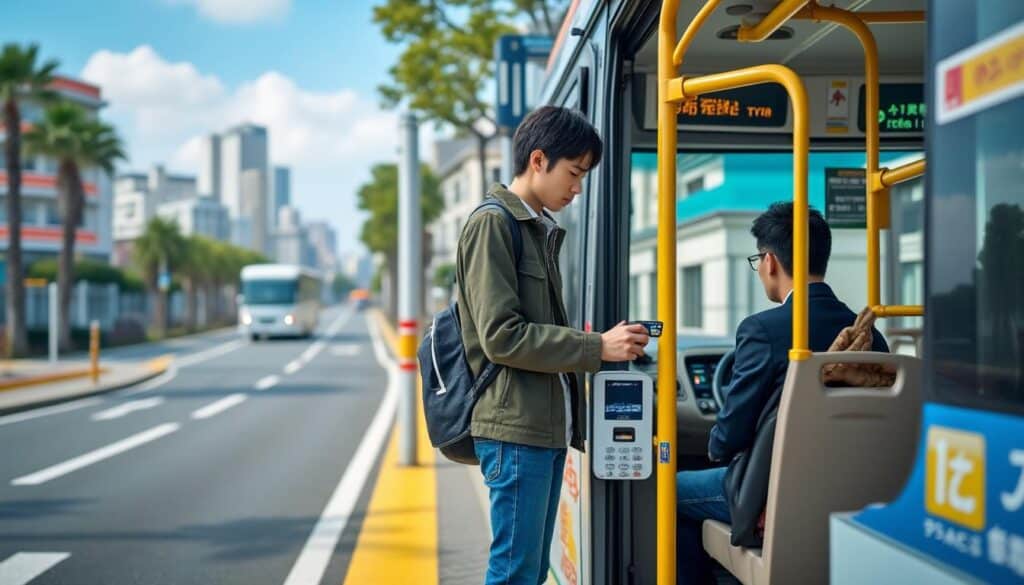
How do you pay for bus in Chiba?
Navigating the Bus System in Chiba: Payment Methods and Tips In Chiba, Japan, getting around on public transportation involves more than just understanding bus routes. Ensuring you have the correct payment method is a crucial part of the journey. Whether…
Understanding the Chiba Bus System: A Comprehensive Overview Chiba, a bustling city with a mix of traditional charm and modern hustle, is part of the Greater Tokyo Area. Its public transportation system, particularly the Chiba bus system, plays a crucial…

Is Chiba safe for Australian tourists?
The Allure of Chiba for Australian Tourists Chiba, a neighboring prefecture to the bustling metropolis of Tokyo, is a captivating blend of modern attractions and breathtaking natural beauty. For Australian tourists, Chiba offers an enticing destination with its stunning coastal…
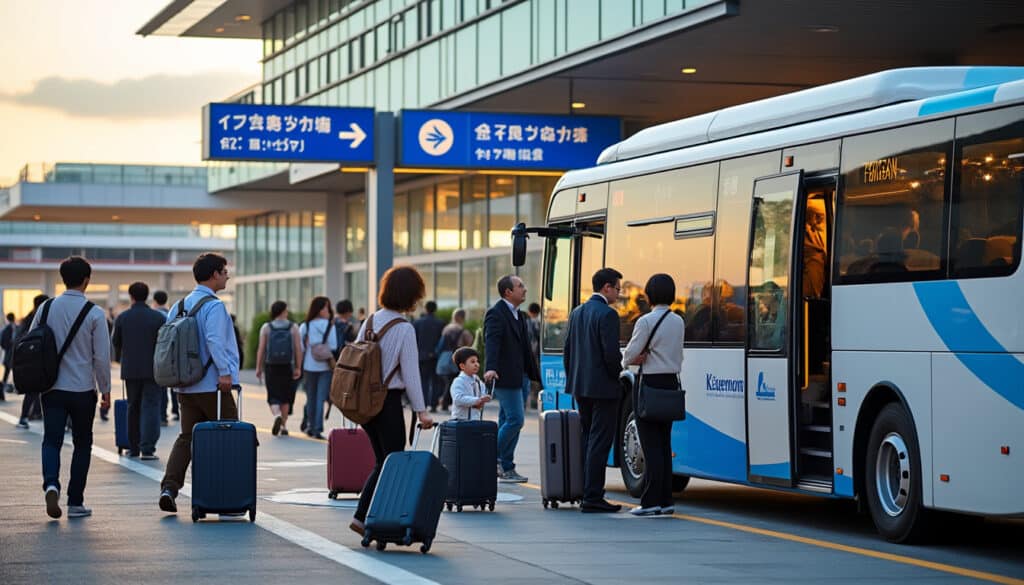
Is the airport shuttle safe in Chiba?
When planning a trip to Chiba, a vibrant city in Japan known for its mix of urban culture and natural beauty, one of the top concerns for travelers is transportation. The safety and reliability of airport shuttles is a frequent…

Is Chiba safe for Canadian tourists?
Chiba, a neighboring prefecture to Tokyo, presents itself as an inviting destination for travelers. Renowned for offering a combination of modern attractions and a rich natural landscape, it seamlessly merges urban sophistication with lush, captivating parks and coastal sceneries. While…

Is Chiba safe for American tourists?
Chiba, Japan, is known for being a safe destination for travelers, including Americans seeking an exotic yet secure experience. While crime rates are generally low across the country, Chiba’s reputation for safety makes it an attractive option for visitors wanting…

Is Chiba safe for Singaporean tourists?
Chiba, a vibrant prefecture neighboring Tokyo, draws tourists from around the world with its unique blend of modern attractions, natural beauty, and rich history. Singaporean tourists, in particular, often question the safety of Chiba as a travel destination. Thankfully, Chiba…
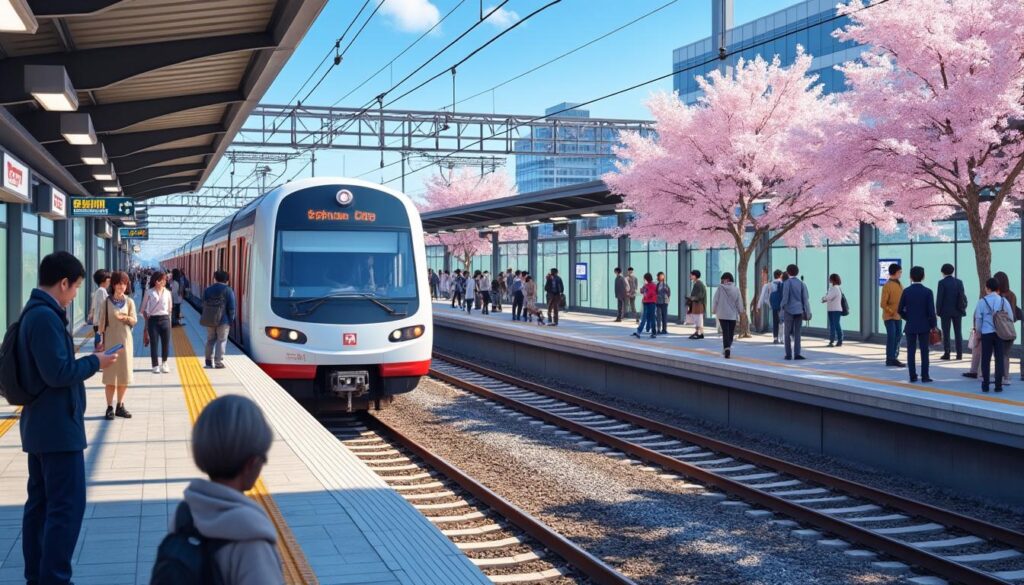
Is the train station safe in Chiba?
With its vibrant cultural attractions and urban sophistication, Chiba is a hotspot for domestic and international travelers. A crucial aspect of visiting or living in this bustling city is understanding the safety of its transport networks, particularly the train stations,…

Is Chiba safe for South Korean tourists?
The city of Chiba, situated in close proximity to Tokyo, has increasingly become a favorite among South Korean tourists. Known for its mix of urban attractions and picturesque natural landscapes, many visitors are drawn to explore what Chiba has to…
