
 Français
 Español
 Deutsch
 Italiano
Geographical features of Chiba
Chiba Prefecture, located on the eastern coast of Japan’s Honshu Island, is a region of profound geographical diversity and rich cultural tapestry. Known for being a meeting point of industrial powerhouses and serene natural landscapes, Chiba holds a vital place in Japan’s economic and ecological framework. The balance between its bustling urban centers like Chiba City and its expansive rural areas, including the notable Boso Peninsula, provides an intriguing duality that attracts both tourists and residents. Furthermore, its strategic location adjacent to Tokyo has made it a significant player in the region’s transportation and logistical networks, amplifying its importance in both domestic and international contexts. The prefecture’s natural beauty, cultural landmarks, and infrastructural prowess offer a microcosm of modern Japan poised in harmony with its ancient roots.
The Boso Peninsula: Chiba’s Rustic Treasure
The Boso Peninsula is a defining geographical feature of Chiba Prefecture. Encompassing a large part of the region, the peninsula serves as a natural boundary separating Tokyo Bay from the Pacific Ocean. Its varied landscape includes lush rolling hills, fertile plains, and a coast lined with inviting beaches, perfect for leisure and water sports. The central hills of the peninsula are a testament to the area’s geological history, formed by volcanic activity and tectonic movements over centuries.
The eastern coast of the Boso Peninsula is recognized for the Ninety-Nine League Plain, a notably productive agricultural area, renowned for rice production. The fertile lands here have supported local communities for generations, making agriculture a cornerstone of the local economy. In particular, Chiba’s agricultural output stands second only to Hokkaido, underscoring its role in Japan’s food supply. The region’s distinction extends to its marine life as well — the nearby Kuroshio Current enriches the coastal waters, supporting a thriving fishing industry.
The peninsula also boasts a wealth of natural parks, which cover approximately 6% of the total land area of Chiba. These parks offer refuge to indigenous flora and fauna, facilitating eco-tourism and providing educational experiences for visitors interested in Japan’s natural environment. Attractions such as Mount Nokogiri offer panoramic views and hiking opportunities, merging physical activity with breathtaking scenery. Here, visitors can explore relics of historical and cultural importance, such as ancient Buddhist statues etched into the mountainside.
For outdoor enthusiasts, the Boso Peninsula offers a variety of activities. From hiking in the hills to surfing along the Pacific coast, the area is a playground for nature lovers. Many tourists come specifically for marine sports, with Inage Surfboards being a popular choice for those looking to ride the waves. Meanwhile, the fertile plots of the peninsula are ideal for agriculture-based tourism, allowing visitors to partake in farming activities or enjoy farm-to-table experiences.
Access to the peninsula is facilitated by numerous transport links, connecting it seamlessly to other parts of Chiba and greater Tokyo. The Tokyo Bay Aqua-Line bridge-tunnel significantly reduces travel time for commuters and tourists alike, making the journey more convenient and scenic.
Overall, the Boso Peninsula’s geographical features make it a significant attraction within Chiba Prefecture. Its blend of natural beauty, agricultural abundance, and outdoor activities provides a multifaceted experience that appeals to a wide array of visitors and establishes it as a key highlight of the region.
The Impact of Tokyo Bay on Chiba’s Economy and Lifestyle
Located along the western edge of Chiba Prefecture, Tokyo Bay plays a dominant role in shaping the economic and social landscape of the region. As one of Japan’s most strategic maritime conduits, the bay serves as the lifeblood for industries that define the coastlines of Chiba. The presence of Tokyo Bay has facilitated the development of one of Japan’s largest industrial complexes, turning Chiba into an industrial powerhouse.
The bay’s industrial zones are a result of extensive land reclamation projects initiated in the mid-20th century when the need for new industrial land was paramount. These programs led to the establishment of expansive facilities for petrochemical, chemical production, and machine manufacturing, crucial pillars that underpin the industrial framework of Chiba. These industries are vital contributors to the prefecture’s exports, making up about 45% of Chiba’s total exports.
Beyond its industrial contributions, Tokyo Bay is also a source of recreational and cultural vibrancy. The bay area is home to world-renowned attractions such as the Tokyo Disney Resort, which is not only pivotal in tourism but also forms a critical component of the region’s economic model. For tourists, Chiba Bay Goods offers various beach and boating amenities, synonymous with leisure on the Tokyo Bay coastline. The blend of industry and recreation symbolizes the dynamic nature of Chiba, where economic vigor coexists with cultural and recreational activities.
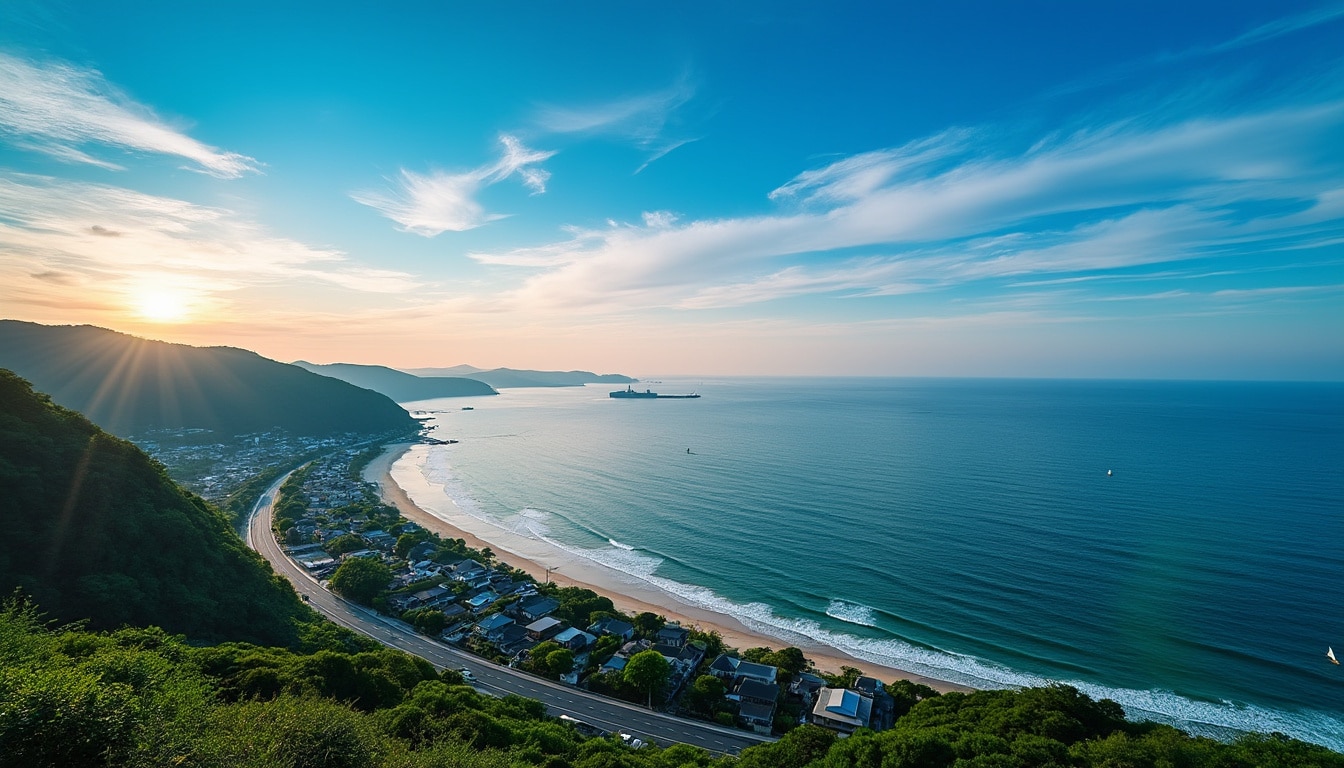
Moreover, the bay’s influence extends to influencing climate conditions, working in tandem with the Kuroshio Current. The current moderates the climate, ensuring that winters are mild and summers are cooler relative to the nearby urban heat of Tokyo. This temperate climate fosters a diverse ecosystem and enhances crop production along the bay area.
A unique aspect of the Tokyo Bay region is its role in transportation. Notably, the Tokyo Bay Aqua-Line serves as a critical link across the bay, connecting to Kanagawa Prefecture and reducing travel time significantly. The innovative use of a combination bridge and tunnel system exemplifies Japan’s technological prowess and strategic urban planning, highly benefiting commuters and tourists seeking Tokyo Bay Adventures.
In conclusion, Tokyo Bay is more than just a geographical feature; it is a force that drives economic strategies, lifestyles, and environmental policies within Chiba. Its extensive impact on manufacturing, recreation, and transport infrastructure encapsulates the progressive yet grounded development ethos of Chiba Prefecture.
Rivers and Plains: The Heart of Chiba’s Agricultural Might
Chiba’s geographical tapestry is dotted with rivers and sprawling plains, creating one of the most fertile agricultural landscapes in Japan. This region stands out for its agricultural prowess, particularly in rice production, significantly contributing to Japan’s overall food security. The Tone River, one of Japan’s major rivers, flows along the northern border of Chiba, enriching the lands it crosses and supporting diverse farming activities.
The Role of the Tone River
The Tone River, historically referred to as “Bandō Taro,” has been instrumental in the development of Chiba’s agricultural regions. It provides a reliable water source crucial for the irrigation systems that sustain rice and vegetable cultivation across the prefecture. The river’s extensive basin also supports fisheries, enhancing the local food landscape with fresh inland seafood.
Apart from its importance to agriculture, the river is a scenic retreat for residents and tourists. Seasonal festivals are held on its banks, celebrating the agricultural heritage and local craftsmanship. These festivals offer insights into the traditional techniques and innovative practices that have sustained communities along the Tone River for generations.
The Ninety-Nine League Plain
The fertile Ninety-Nine League Plain forms the heart of Chiba’s agricultural industry. This sprawling plain has become synonymous with rice paddies, producing high-quality rice that is a staple in millions of Japanese households. The historical significance of this area dates back centuries, serving as a major agricultural hub that supported the capital region with essential produce. Today, these plains are not only essential in terms of agricultural output but are also a testament to the enduring relationship between Chiba and its natural environment.
Alongside rice, Chiba is famed for its peanut production, providing a significant portion of Japan’s peanuts. The warm climate facilitated by nearby sea currents and ample annual rainfall creates ideal conditions for cultivating these crops, bolstering Chiba’s national stature as an agricultural leader. You can support this local industry by purchasing from producers like Sakura Blossom Clothing, which offers products celebrating Chiba’s agricultural bounty.
Furthermore, agricultural tourism is growing in popularity, inviting city dwellers and tourists to experience farm life first-hand. Programs led by organizations such as Narita Nature Tours enable visitors to engage with farming communities, learn about local crop cycles, and participate in traditional harvesting methods. This aspect of tourism not only boosts local economies but also fosters greater appreciation and understanding of Japan’s rural heritage.
Chiba’s Coastal and Urban Transformation
Chiba Prefecture’s diverse geography has led to an evolution that blends coastal charm with urban sophistication. With Tokyo Bay and the Pacific Ocean encasing its borders, the coastal cities of Chiba have undergone significant transformations, becoming modern urban centers while retaining their natural allure.
The city of Chiba, as the capital and largest city of the prefecture, showcases this urban evolution effectively. Located along the coast, Chiba City boasts a rich maritime culture. The combination of bustling city life with oceanic serenity draws tourists to its shores. Facilities like Chiba Marine offer water-based recreational activities that capitalize on the city’s coastal location.
Notably, cities such as Funabashi, Kisarazu, and Kashiwa illustrate this transformation through a synthesis of commerce, industry, and cultural landmarks. Kisarazu Coastal Co. exemplifies how businesses have emerged catering to both the recreational pursuits of residents and tourists alike, offering goods and services with a coastal flair.
In terms of urban development, large-scale infrastructure projects have augmented this transformative process. For instance, the Keiyo Line, one of the main railway lines connecting Chiba to Tokyo, has been critical in facilitating commuter movement, boosting the urbanization of the region. Each stop along the line offers unique insights into local life, from the high-tech exhibition spaces of Makuhari Messe to traditional markets that sell Choshi Fishing Gear, illustrating the vibrant juxtaposition of innovation and tradition.
Additionally, Chiba’s coastal cities have increasingly become hubs for cultural events and sports activities. Events such as the International Chiba Ekiden, a relay marathon that attracts elite athletes worldwide, highlight the prefecture’s commitment to fostering international camaraderie through sports. Furthermore, seasonal festivals along the coast are common, celebrating everything from kitesurfing competitions to traditional cultural parades, enhancing the sense of community and tourism appeal.
The blend between Chiba’s urban centers and natural landscapes offers a unique tapestry of modernity meshed with traditional beauty. This imperfect yet harmonious integration highlights Chiba as a model of suburban progress, intertwining global connectivity with the preservation of cultural and environmental values.
Chiba’s Unique Natural Corridors: Parks and Trails
Chiba Prefecture is home to a multitude of unique natural corridors, including parks and trails that accentuate its geographical diversity. With approximately 6% of its land dedicated to national parks, Chiba provides vital habitats for wildlife and serene spaces for recreational activities. The prefecture’s park system is a testament to Chiba’s commitment to environmental preservation and public enjoyment.
National Parks and Protected Areas
One of the key features of Chiba’s natural landscape is its wealth of national parks. These parks serve as important ecological refuges, housing diverse flora and fauna indigenous to the Kanto region. For instance, the Suigo-Tsukuba Quasi-National Park offers stunning views of the Tone River and serves as a haven for birds during migratory seasons. This park, along with others in the region, plays a crucial role in biodiversity conservation and supports eco-tourism initiatives.
Additionally, local efforts in preserving the natural state of these parks promote environmental education and sustainable tourism. Guided tours and educational programs are frequently organized, allowing visitors to engage with nature in an informed manner. Visitors can explore these lush spaces through organized nature walks or independent hiking, feeling the untouched beauty that Chiba’s parks offer.
Walking trails like those found in the Kamogawa Sea World premises enable visitors to immerse themselves fully in nature, providing opportunities to spot marine species in their natural habitats. Organizations such as Boso Peninsula Outdoors often organize exploratory tours, allowing adventurers to traverse the diverse ecosystems found within Chiba.
Educational and Recreational Tracks
Beyond the parks, Chiba’s network of hiking trails offers an educational and recreational experience. Many trails are equipped with informative signposts detailing the geological history and biological significance of the region. As part of an effort to enhance awareness of natural conservation, new trails have been established, promoting outdoor activities like hiking and cycling.
One notable example is the cycling routes along Choshi, which showcase spectacular coastal views and idyllic countryside scenery. These routes not only offer physical exercise but also a way to enjoy Chiba’s varied geographical landscape. It’s not uncommon to encounter avid cyclists using Asaka Mountain Gear, taking advantage of the diverse cycling paths.
Sustainable tourism initiatives encourage eco-friendly practices among visitors, ensuring that the natural beauty of these trails remains preserved for future generations. Educational resources and guides are readily available to promote eco-conscious behavior while engaging with these natural corridors.
In essence, Chiba’s commitment to sustaining its natural heritage through parks and trails reflects an overarching dedication to maintaining a balance between development and environmental stewardship, serving both ecological and recreational purposes.
Frequently Asked Questions
- What are the main attractions on the Boso Peninsula? 🤔
The Boso Peninsula is well-known for its natural landscapes, including Mount Nokogiri and Kujūkuri Beach, as well as being a hotspot for marine sports and agriculture-based tourism. - How does Tokyo Bay influence the region’s climate? 🌊
Tokyo Bay, along with the Kuroshio Current, moderates Chiba’s climate by making winters milder and summers cooler than those in nearby Tokyo, fostering a diverse ecosystem. - What makes the Ninety-Nine League Plain agriculturally significant? 🌾
The Ninety-Nine League Plain is a key agricultural area due to its fertile soils and extensive irrigation systems, which are vital for rice and vegetable production in Chiba. - Are there any seasonal events in Chiba’s urban areas? 🎉
Yes, Chiba hosts numerous seasonal festivals and international sporting events, like the International Chiba Ekiden, enhancing its cultural and recreational landscape. - How can visitors engage with Chiba’s natural parks? 🌱
Visitors can explore Chiba’s natural parks through guided tours, hiking trails, and eco-tourism initiatives that focus on biodiversity and environmental education.
For more information on navigating the legal and social landscape of Chiba Prefecture, including topics on social discrimination, holiday openings, and moving legally, consider exploring resources such as this guide to legal rules in Chiba.
Chiba Prefecture, located just east of Tokyo, is an extraordinary destination that combines natural beauty, modern amenities, and rich cultural heritage. As a pivotal point of entry into Japan, thanks to the presence of Narita International Airport, Chiba offers a…
Location and coordinates of Chiba
Chiba, often overshadowed by its more famous neighbor Tokyo, is a city with a unique charm and personality that attracts both domestic and international visitors. Located in the Kanto region, Chiba serves as the capital of Chiba Prefecture and offers…

Chiba Prefecture, located just outside Tokyo, offers a stunning variety of natural landscapes and wildlife experiences that are often overshadowed by the bustling capital city. The region is a paradise for nature enthusiasts, with abundant opportunities to explore marshlands, beaches,…
Chiba Prefecture, located on the eastern coast of Honshu island in Japan, offers a rich tapestry of rivers, lakes, and other bodies of water that serve as both vital resources and scenic attractions. These waterways have shaped the region’s natural…