
 Français
 Español
 Deutsch
 Italiano
Protests and social unrest in Chiba
The city of Chiba, known for its vibrant cultural landscape and close proximity to Tokyo, has recently found itself in the spotlight for less celebratory reasons. As the year 2025 unfolds, a series of social tensions and protests have erupted, raising concerns among residents and observers alike. This article delves into the nature and causes of these conflicts, exploring the voices and movements driving change in Chiba’s community. Various groups such as the Chiba Activists, Voices for Change, and the Unity Now movement have emerged as significant players in advocating for social justice and rights. As these movements gain momentum, the city stands at a crossroads, facing both challenges and opportunities.
Understanding the Roots of Social Unrest in Chiba
The recent wave of protests and social unrest in Chiba doesn’t exist in a vacuum; it is deeply rooted in a complex set of historical, economic, and social factors. Several key issues have prompted different groups within the city to mobilize and voice their concerns.
Historically, Chiba has been a hub for both industrial and economic activities. Over the decades, the city has attracted a diverse population seeking employment opportunities. However, rapid urbanization has also given rise to significant socioeconomic disparities. These disparities have been a central theme for the Chiba Activists and Social Justice Coalition in their protests, as they argue for a more equitable distribution of resources.
Economically, Chiba has faced its share of challenges. The shifting dynamics of global trade and local industries have impacted employment rates, with many residents finding themselves in precarious job positions. The recent closure of several factories has only intensified these struggles, prompting protests organized by the Chiba Community Front.
Additionally, there is a growing sentiment among many residents that their voices are not adequately represented in local government decisions. This perceived lack of representation has fueled movements like Voices Unheard and Rights Advocacy Group, which advocate for greater civic participation and accountability.
Among the grassroots movements, Unity Now plays a crucial role in providing a platform for diverse voices to come together, while the Chiba Resistance emphasizes local cultural preservation amid modernization efforts.
- 📉 Economic disparities: Increased protests due to uneven resource distribution.
- 🏭 Industrial decline: Factory closures leading to job loss and unrest.
- 🗳️ Political representation: Calls for greater involvement and government accountability.
| Movement | Main Focus | Origin |
|---|---|---|
| Chiba Activists | Social justice and equity | Grassroots |
| Unity Now | Community unity and inclusion | Local activists |
| Voices Unheard | Civil rights and representation | Civic organizations |

The Role of Social Media in Mobilizing Chiba’s Activists
In the digital age, social media platforms have become powerful tools for mobilizing and organizing protests. In Chiba, platforms such as Twitter, Instagram, and TikTok have played a pivotal role in amplifying the messages of various activist movements. These platforms provide a space for Voices for Change to quickly disseminate information and rally supporters.
One of the key advantages of social media is its ability to transcend traditional barriers of communication. Activists can reach a broader audience, engage in meaningful dialogue, and coordinate their efforts across a wide geographic area. In Chiba, hashtags like #MobilizeChiba and #PeacefulProtesters have gained traction, drawing attention to local causes on a national and even international scale.
Moreover, social media allows for real-time updates during protests, enabling participants to stay informed about logistics and potential challenges. However, this immediacy also comes with risks, as misinformation can spread rapidly, sometimes leading to unintended consequences or heightened tensions.
The Chiba Activists have adopted a strategic approach to social media, using it not only to plan events but also to educate the public about their causes. This educational component is crucial for building long-term support and understanding among the broader population.
- 📱 Hashtags: #MobilizeChiba and #PeacefulProtesters for visibility.
- ⚡ Real-time updates: Coordination during protests via social media.
- 🔍 Educational content: Informative posts to build awareness.
Peaceful Protests and Their Impact on Local Policy
Chiba’s peaceful protests have been instrumental in shaping local policies. Over the past year, the actions taken by movements like the Social Justice Coalition and Chiba Community Front have prompted city officials to reevaluate certain legislative measures. These groups advocate for a range of issues, from environmental sustainability to workers’ rights.
One notable example of the impact of peaceful protests is the recent policy shift towards more sustainable urban development. Following pressure from environmental groups and the voices of community activists, Chiba’s government has committed to increasing green spaces and implementing stricter pollution control measures. This policy adjustment serves as a testament to the power of collective action and the ability of peaceful demonstrations to influence decision-making.
Furthermore, these protests have encouraged a more open dialogue between local authorities and the citizenry. The government has initiated town hall meetings and public forums to address concerns directly and transparently. Such initiatives have been beneficial in fostering trust and cooperation between the citizens and their representatives.
The framework for these engagements often draws inspiration from successful case studies in other regions, adapting best practices to Chiba’s unique cultural and economic context.
- 🟢 Environmental policies: Increased focus on sustainability.
- 📊 Public forums: Enhanced dialogue and transparency.
- 🤝 Trust-building: Strengthening citizen-government relationships.
| Policy Area | Change Initiated | Driving Force |
|---|---|---|
| Urban Development | More green spaces | Environmental activism |
| Workers’ Rights | Improved labor conditions | Labor unions |
| Civic Engagement | More public forums | Civic movements |
The Challenges Facing Chiba’s Rights Advocacy Groups
Despite significant progress, Chiba’s rights advocacy groups face numerous challenges as they push for enduring social change. One of the primary obstacles is maintaining sustained momentum and engagement among supporters. The enthusiasm and energy that fuel initial protests can wane over time, especially if immediate results are not visible.
Additionally, these groups often operate with limited resources, relying on the dedication and passion of volunteers. Securing funding for larger initiatives or events poses a continual challenge, which impacts their ability to create substantial and lasting impact.
Another notable challenge is navigating the complex regulatory environment. Activist groups must adhere to various laws and regulations when organizing protests, which can be daunting for those unfamiliar with legal nuances. This aspect requires careful planning and sometimes involves seeking legal advice to ensure compliance and avoid unintended legal repercussions.
The Chiba Resistance, for instance, has taken proactive steps to address these hurdles by forming alliances with legal professionals and seeking partnerships with other organizations to bolster their capabilities.
- 🔄 Sustaining momentum: Ongoing engagement issues.
- 💰 Limited resources: Financial constraints.
- ⚖️ Regulatory challenges: Legal compliance complexity.
Looking Ahead: The Future of Protests in Chiba
As we look to the future, the protest movements in Chiba are poised to evolve and adapt in response to both challenges and successes. The resilience and creativity demonstrated by these groups suggest that they will continue to play an influential role in the city’s social and political landscape.
One possible avenue for future development is the expansion of coalition networks. By building stronger alliances with national and international advocacy groups, Chiba’s activists can amplify their efforts and draw greater attention to their causes. These collaborations also provide opportunities to share resources, insights, and strategies, strengthening the effectiveness of local initiatives.
Moreover, technological advancements offer new ways for activists to connect and mobilize. Virtual reality and augmented reality, for example, can be leveraged to create immersive experiences that educate the public on critical issues, thereby enhancing engagement and understanding.
Finally, the ongoing dialogue between activists and city officials must continue to be nurtured. As these conversations evolve, Chiba’s residents can expect to see continued positive changes, reinforcing the important role of peaceful protests in promoting democratic values and societal progress.
- 🌐 Coalition building: Strengthen national and international ties.
- 🚀 Technological integration: Leverage new tech for engagement.
- 📈 Persistent dialogue: Maintain open communication channels.
FAQ
- How have protests in Chiba influenced local policy?
Recent protests have led to changes in environmental policies, worker rights, and increased civic engagement through public forums.
- What are the main challenges for Chiba’s activist groups?
They face challenges like sustaining momentum, financial constraints, and navigating complex regulations.
- What role does technology play in Chiba’s protests?
Technology facilitates communication, real-time updates, and educational outreach, enhancing the reach and impact of protest movements.
Whether you’re a first-time visitor or a seasoned traveler, ensuring a safe and memorable journey to Chiba is paramount. Chiba, renowned for its rich history, beautiful landscapes, and vibrant culture, attracts tourists worldwide. As Japan’s sixth-largest city and a significant…
Cleanliness and hygiene in Chiba
Chiba, nestled in the heart of Japan, serves as a paragon of urban cleanliness and impeccable hygiene practices. Famed as a metropolitan hub, this city exemplifies how cleanliness is woven intrinsically into the social fabric, from bustling streets to serene…
Chiba, nestled adjacent to Tokyo, is a city that often charms visitors with its harmonious blend of urban livelihood and coastal tranquility. Known for its thriving local culture and nature amusements, Chiba also prides itself on being a place where…

Pickpocketing and theft in Chiba
Chiba, a vibrant and bustling area known for its rich cultural heritage and close proximity to Tokyo, is unfortunately no stranger to issues of pickpocketing and theft. Over the years, this concerning trend has seen significant variations, prompting local authorities…
Safety in Chiba for travelers from different countries
🌏 Chiba, a neighboring prefecture to Tokyo, is a vivid blend of modern attractions and natural beauty that continues to interest travelers from all corners of the globe. But as with any travel destination, understanding local safety nuances is crucial…
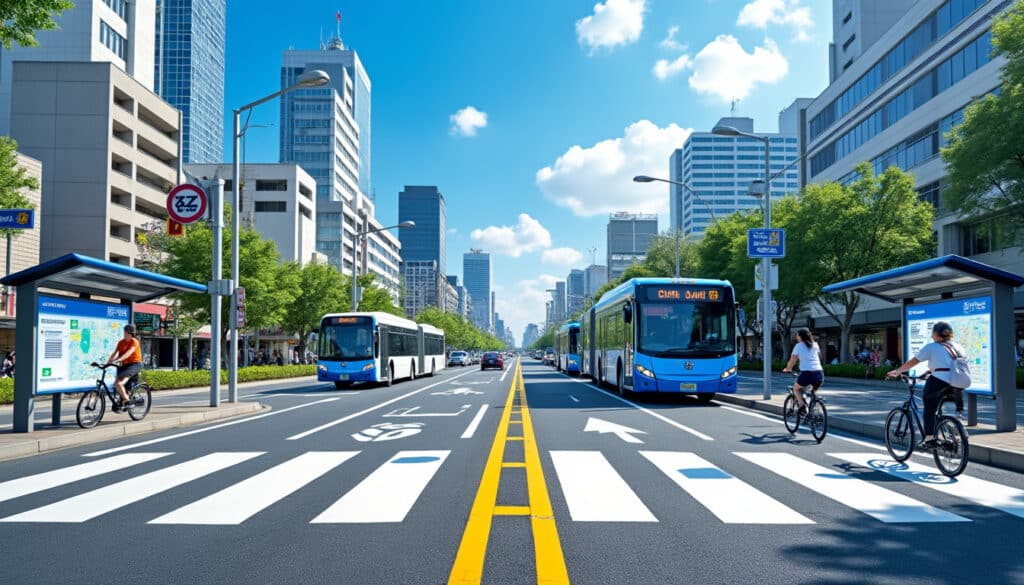
Navigating through Chiba’s well-coordinated transportation system offers both locals and travelers an efficient and secure experience. Known for its ease of use and reliability, public transport in Chiba exemplifies safety and modern convenience. With a blend of traditional Japanese infrastructure…