
 Français
 Español
 Deutsch
 Italiano
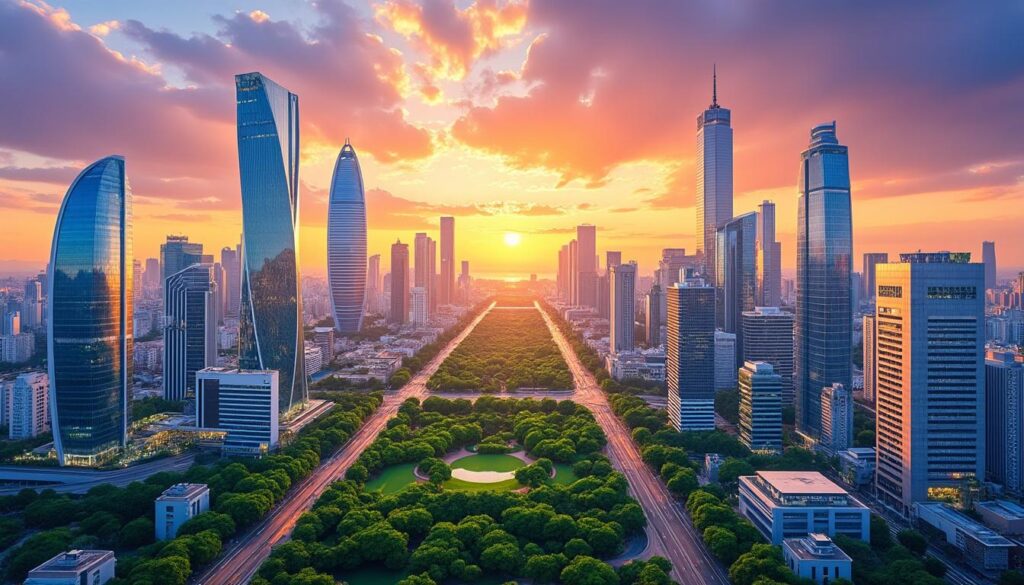
With its mesmerizing blend of modern and traditional architecture, Japan has always been at the forefront of architectural innovation. When one thinks of Japanese cities, Tokyo often springs to mind with its iconic skyline filled with towering buildings. However, another city quietly garners attention for its unique urban development: Chiba City. Nestled along the picturesque Tokyo Bay, Chiba is neither as tall nor as dazzling as Tokyo, but it serves as a remarkable study in urban planning and architecture. This article dives into the existence and significance of high-rise buildings in Chiba, exploring how urban development, real estate dynamics, and city planning converge to shape its skyline.
Urban Development and Skyscrapers in Chiba City
Chiba City, part of the Greater Tokyo Area, offers an intriguing case of urban development that diverges from the towering skylines of Tokyo and Yokohama. Despite being an integral part of this vibrant metropolitan expanse, Chiba City presents a more restrained approach to high-rise development. The city has focused on expanding its infrastructure without creating a dense skyline filled with skyscrapers.
Unlike Tokyo, where land scarcity and booming economic activities necessitate the rise of skyscrapers, Chiba’s development is deeply rooted in its geographical and cultural context. Chiba strategically maximizes available space by focusing on sustainable urban planning, which emphasizes green areas and public spaces. This balanced approach is why skyscrapers, while present, do not dominate the city’s visual landscape.
In recent years, a handful of skyscrapers have been built in Chiba City to accommodate economic growth and modern housing demands. These buildings serve as mixed-use centers, incorporating residential, commercial, and office spaces into a single structure. This multi-functional approach reduces the need for excessive vertical construction by integrating various aspects of urban living in fewer yet comprehensive buildings.
- 🌿 Green Architecture: Emphasizing eco-friendly designs and practices
- 🚉 Transportation Hubs: Enhancing connectivity across the Tokyo Bay Area
- 🏢 Mixed-Use Development: Combining residential, commercial, and leisure facilities
In Chiba, the delicate balance between nature and urbanity is maintained by limiting the prevalence of exceptionally tall skyscrapers, favoring mid-rise alternatives that align with the city’s aesthetic and functional goals. This blend of modernity and tradition reflects in its cityscape, which is neither overwhelmed by high-rise structures nor lacking in urban sophistication.
The Role of Architecture in Chiba’s Skyline
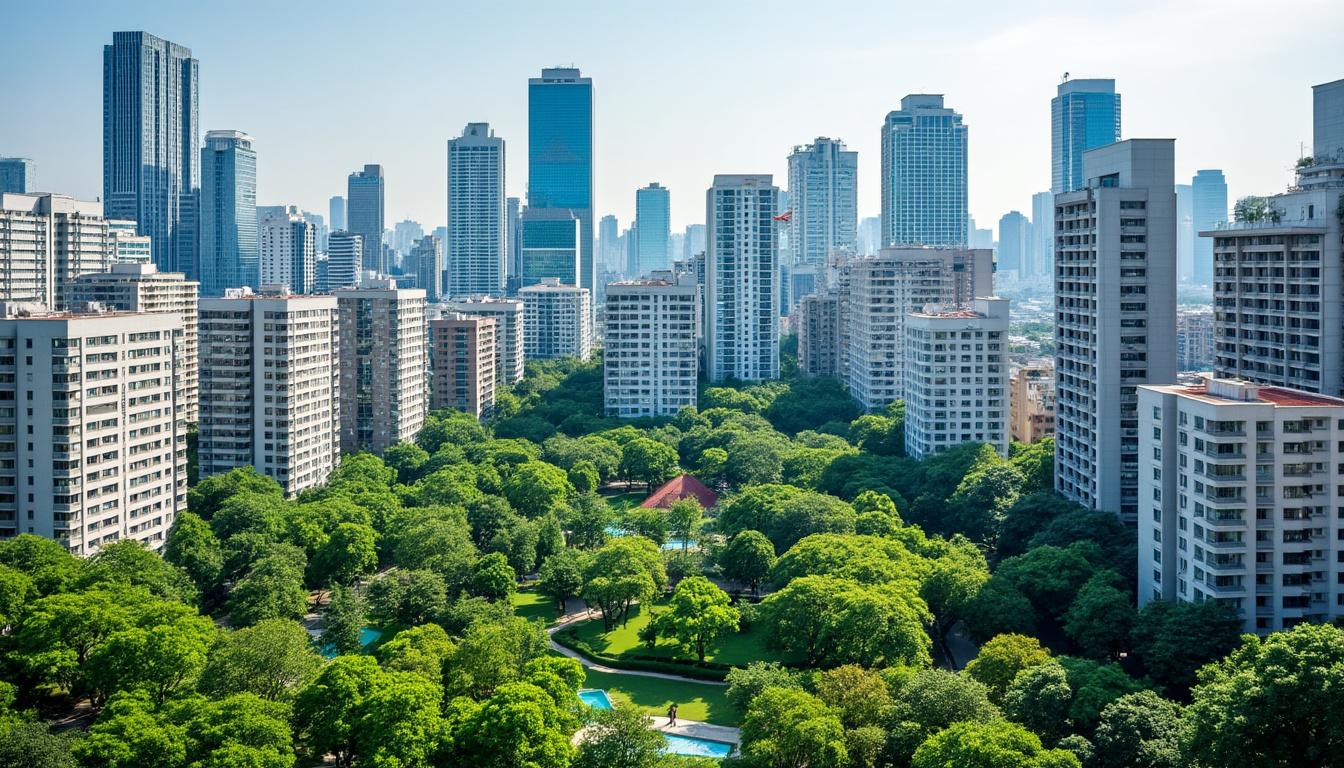
Architecture plays a pivotal role in shaping Chiba’s skyline, marrying tradition with modernity. The city is dotted with buildings that are innovative yet respectful of their historical context. The architectural designs here reflect a harmonious blend of past influences and futuristic ambitions. Notably, architects and planners have integrated cultural elements into modern buildings, ensuring that the city grows without losing its unique Japanese identity.
Real Estate Dynamics and High-rise Buildings
Understanding Chiba’s real estate dynamics provides insight into why skyscrapers have not become as prevalent as in other major Japanese cities. The real estate market in Chiba is characterized by a balanced demand for space that discourages the overly aggressive pursuit of height. While economic factors certainly play a role, cultural priorities also heavily influence real estate decisions.
Chiba’s proximity to Tokyo Bay offers unique real estate opportunities, integrating natural beauty with urban convenience. High-rise developments here are often designed with panoramic views of the bay in mind, creating a sought-after residential and commercial environment that is more about quality than sheer vertical expansion.
- 🏠 Residential Demand: Focus on spacious living with modern amenities
- 🌆 Commercial Spaces: Integration with natural surroundings
- 🏢 Real Estate Investment: Balanced approach to commercial and residential projects
Historically, Chiba has been a more affordable alternative to Tokyo, attracting residents and businesses seeking proximity to the capital without the exorbitant costs. This economic positioning has encouraged the construction of strategically planned high-rise buildings that maximize utility without overshadowing the city’s skyline.
Are Skyscrapers Necessary in Chiba?
An essential question arises—are skyscrapers necessary in Chiba? The answer involves evaluating the city’s developmental goals and lifestyle preferences of its inhabitants. In Chiba, the emphasis lies on improved living standards through thoughtful urban planning rather than sheer vertical growth. Skyscrapers are constructed not merely for symbolic prestige but to enhance the quality of life and accommodate practical needs.
Chiba’s approach involves nurturing communities that value green spaces and sustainable practices. This emphasis on ecological planning attracts a lifestyle-oriented populace who prioritizes environment over urban density. Hence, while skyscrapers exist in Chiba, their role supports rather than dictates urban development.
City Planning in Chiba: Vision for the Future
Chiba City’s approach to city planning is an exemplary model of blending sustainability with urban growth. Its vision for the future revolves around enhancing urban living without compromising natural beauty. The city’s planners have been cautious, ensuring future developments do not mar the balance between advancement and environment.
Chiba employs advanced city planning strategies and innovations to direct its evolution. Planners adopt smart city technologies to create more connected, efficient, and livable urban areas. Key aspects of Chiba’s future planning include:
- 📈 Sustainable Growth: Prioritizing eco-friendly materials and green spaces
- 🔄 Smart Infrastructure: Utilizing technology for efficient city management
- ⭐ Community Involvement: Encouraging public participation in planning processes
This focus on sustainable and inclusive city planning ensures that Chiba remains a livable, attractive, and economically vibrant city. The city’s future is poised to embrace innovations that refine its existing landscape by incorporating cutting-edge technologies while respecting historical and ecological contexts.
The Balance of Tradition and Innovation
Chiba City is a testament to the successful integration of tradition and innovation. While the city readily adopts modern conveniences, it does so with respect for traditional Japanese values. This balance is vividly apparent in its urban planning, where centuries-old temples coexist alongside modern business districts.
The future of Chiba City hinges on maintaining this delicate balance, as attempts to significantly alter its architectural character could diminish its cultural and historical richness. By continuing to prioritize harmony in its skyline and community-focused planning, Chiba effectively navigates the complexities of urban expansion and preservation.
High-rise Buildings and their Impact on Chiba’s Character
Chiba City’s character is deeply influenced by its architectural style and planning ethos. The presence of high-rise buildings brings modernity while their restraint reinforces the city’s commitment to preserving its character. The balance between these elements highlights how urban centers can grow without losing their essence.
Chiba’s high-rise buildings offer more than just economic value; they represent a commitment to innovation that respects tradition. The city supports high-rise structures that enhance its functionality and aesthetic appeal without sacrificing more important ecological or cultural priorities.
| Aspect 🌿 | Impact on Chiba 🌉 |
|---|---|
| Economic Growth 💸 | Boosts local and regional economy |
| Cultural Preservation 🏯 | Maintains traditional ethos in urban settings |
| Environmental Concerns 🌱 | Integrates sustainable practices |
| Urban Identity 👤 | Balances modernity with unique local character |
This multifaceted approach allows Chiba to evolve as a modern urban center, attracting businesses and residents who appreciate its dynamic yet balanced environment.
The Future Landscape of Chiba
As we look towards 2025 and beyond, Chiba is poised to continue its trajectory as a model of urban development that others can emulate. The future landscape of Chiba promises to integrate more sustainable and technologically advanced structures, enhancing its urban fabric while bolstering its key attributes.
Chiba’s ongoing evolution reflects a broader understanding of urban spaces, recognizing that successful cities are those that cultivate growth, innovation, and tradition in harmony. This vision not only benefits its residents and businesses but also sets a standard for global cities aiming for sustainable urban expansion.
FAQ: Answering Common Questions about Skyscrapers in Chiba
Here are some frequently asked questions concerning the presence and role of skyscrapers in Chiba:
- Are skyscrapers common in Chiba? While skyscrapers exist, they are less prevalent compared to Tokyo, as Chiba prioritizes balanced urban development.
- What influences Chiba’s building heights? Factors such as city planning policies, real estate dynamics, and environmental considerations influence the height of buildings.
- Does Chiba plan to build more skyscrapers? Future developments will focus more on sustainable, mixed-use buildings rather than significantly increasing skyscraper quantities.
- Why do people choose to live or work in Chiba? Chiba offers a balanced lifestyle with affordable living, proximity to Tokyo, and a commitment to sustainability and community.
Chiba’s approach to urban development provides valuable lessons for cities worldwide grappling with growth and sustainability challenges.
Does Chiba observe daylight savings time?
Understanding Timekeeping Practices in Chiba, Japan Chiba, a vibrant city located close to Tokyo, follows Japan Standard Time (JST), remaining consistently at UTC+9 throughout the year. Unlike many Western countries, Japan, including Chiba, does not observe Daylight Saving Time (DST).…
Palm Trees in Chiba: A Tropical Impression in a Japanese Prefecture Visitors to Chiba Prefecture might be surprised to discover the presence of palm trees lining certain streets and areas, injecting a tropical atmosphere into this diverse region of Japan.…
Ancient Beginnings: The Prehistoric Roots of Chiba Chiba Prefecture, located on Japan’s eastern coast, boasts an ancient history that dates back to prehistoric times. As the earliest societies began to settle, Chiba’s fertile lands and rich marine resources from the…
How long has Chiba been a city?
Chiba, a vibrant city located just east of Tokyo, has a rich history that dates back centuries. Known for its strategic location and significant contributions to Japan’s economic and cultural landscape, Chiba holds a unique place in Japan’s array of…
What was the former name of Chiba?
Exploring the transformation of Chiba over centuries is like delving into a rich tapestry of history, showcasing a journey from its archaic origins to its modern incarnation. Known today as Chiba City, nestled on Japan’s eastern Kanto region and adjacent…
Chiba Prefecture, nestled conveniently east of Tokyo, is a destination renowned for its blend of urban sophistication, nostalgic history, lush landscapes, and proximal coastlines. While it stands as an undeniable gem in Japanese tourism, the question arises: is Chiba overrated?…
